

Stories of big babies might make women all over the world cross their legs. But how common are big babies, and does their birth always lead to complications?
Articles on Gestational diabetes
Displaying 1 - 20 of 22 articles

Children were 36% more likely to be diagnosed with ADHD and 56% more likely to develop autism if their mother had gestational diabetes.

Screening for gestational diabetes will continue. But who gets extra testing, and when, will change.

Women with gestational diabetes are at higher risk of cardiovascular disorders and mental health problems. But many don’t check their blood sugar after birth.

To identify threats to the health of mothers and children, birth cohort studies look at groups of moms and their babies from birth or even earlier and follow them for many years.

About one in six pregnant women in Australia are now diagnosed with gestational diabetes. Rates have more than doubled since the thresholds for diagnosis were changed.

Around 12% of babies are born weighing more than 4kg.
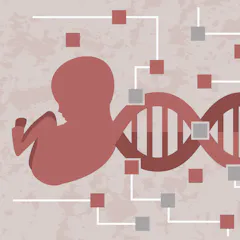
Genetic conflict may play a role in pregnancy complications, such as preeclampsia and gestational diabetes, as well as developmental disorders.

Improving diabetes care in South Africa requires strong will and support from health authorities, introduction of clinical information systems, the use of technology and digital solutions.
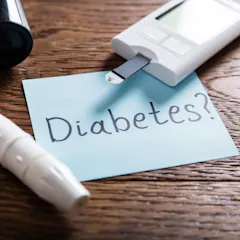
The rapid rise in diabetes mustn’t be overlooked, as it could have devastating health and economic effects. Most national health systems are already struggling with infectious diseases.

Pregnant women exposed to bushfire smoke face a higher risk of complications including gestational diabetes, high blood pressure and giving birth prematurely.

Women who have had gestational diabetes during pregnancy are at higher risk of developing type 2 diabetes. But regular checks, a healthy diet and exercise are can help to manage this risk.

Many couples share exercise, eating and weight patterns. Families of women with gestational diabetes and gestational hypertension more likely to develop Type 2 diabetes in the future.

Sarah and Donna are 26 weeks pregnant and have the same blood sugar levels. But while Donna is diagnosed with gestational diabetes, Sarah is spared from the label. It comes down to where she lives.

Gestational diabetes should be seen as an opportunity to identify families at higher risk of metabolic problems and take action.

Childhood trauma impacts women’s health and can be passed from parent to child. New research shows that when new mothers feel supported, the risk of pregnancy complications is reduced.

More of us are labelled as sick with the constantly changing diagnostic cut-offs for diseases. Now an international expert panel has drafted a list of things to consider before setting new thresholds.

Girls who have their first period at a young age are more likely to experience poorer health as a adult, including an elevated risk of diabetes during pregnancy.
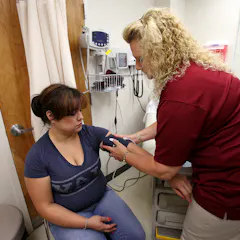
The creation of new “pre-conditions” is turning millions of people into patients across the globe.

It affects nearly one in five women, and half go on to develop type 2 diabetes. It’s one of the great intervention opportunities that public health overseers keep ignoring.
Top contributors
-

Senior Research Manager, University of Sydney and Honorary Assistant Professor, Bond University
-
Associate Professor in Public Health, University of Stirling
-
Reseach Trial Manager/Midwife, Western Sydney University
-
Professor of Life Course Epidemiology, Faculty of Medicine, The University of Queensland
-
Endocrinologist, Western Sydney University
-
Honorary Professor at Sydney University & Conjoint Professor at UNSW, UNSW
-
Associate Professor of Preconception Health and Care, University of Southampton
-
Clinical Professorial Research Fellow, Australian Women and Girls' Health Research Centre, The University of Queensland
-
Conjoint Associate Professor, School of Medicine and Public Health Faculty of Health and Medicine, University of Newcastle
-
Professor of Medicine, McGill University; Physician-Scientist and Director of the Centre for Outcomes Research and Evaluation at the McGill University Health Centre, McGill University
-
Assistant Professor of Psychological Science, Boise State University
-
Director of the Non-Communicable Diseases Research Unit at the South African Medical Research Council, Professor in the Department of Medicine, University of Cape Town
-
Associate Professor, Bond University
-
Professor and Endometriosis Group Leader, The Robinson Research Institute, Adelaide University
-
Dietitian/Clinical Trial Manager, Western Sydney University