

A few simple strategies can help older adults convey their needs to their health care provider.
Articles on Geriatrics
Displaying 1 - 20 of 38 articles
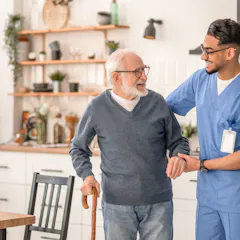
Silver economy: an in-home help service provider in the Netherlands is revolutionising care delivery for the elderly with a streamlined, patient-centred approach that trusts community nurses and caregivers.

The factor most associated with cancer is unavoidable: aging. Older adults with cancer benefit from a geriatric assessment before making treatment decisions, but this is still not routine care.
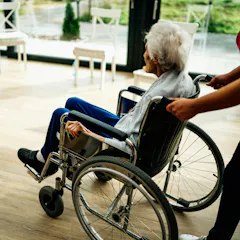
It was recently suggested that specialised geriatric hospitals could be set up to ease pressure on Australia’s health system.

In the majority of cases, medications help patients. But even when treatment of individual illnesses is effective, treatment as a whole can become problematic.

Unfortunately, there’s no cure for scammers – but you can build immunity against them.

Older people and Aboriginal and Torres Strait Islander people are at much greater risk of hospitalisation from UTI. Prompt medical care is important.

Delirium doesn’t just harm vulnerable seniors. It prolongs hospital stays, ties up beds and clogs emergency rooms. Mandating senior-friendly hospital care protects patients and the health-care system.

Older Americans are often taught to be fearful of hackers and scammers in their midst while also being told to investigate potential threats. Better advice is to not engage.
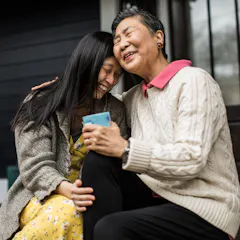
In tough conversations, show your respect for loved ones’ autonomy and dignity.
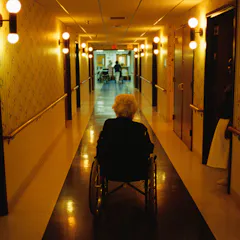
COVID-19 hit long-term care facilities hard. Addressing the trauma that residents and staff endured is key to regaining trust in a space that may no longer feel safe.
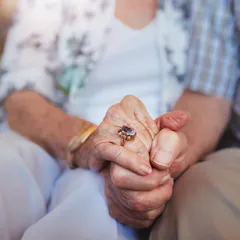
In the absence of guidelines or training regarding sexual expression in long-term care homes, most staff are ‘just winging it’ on potentially sensitive issues.

In Ghana, adult children are straining to care for their aged parents and there is an increasing sense that government needs to step in.
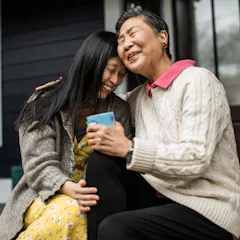
Americans 65 and older are living longer. The change toward longer old age in the U.S. will have profound effects on health care needs, families and what it means to be old.

The stigma that dehumanizes people living with dementia is reflected in the toll of COVID-19 in long-term care. Reforming long-term care must challenge this stigma with a new ethic of care.
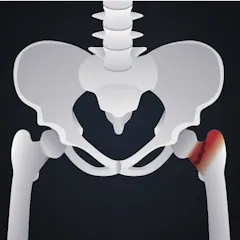
Every year, about 70 per cent of long-term care residents have at least one fall, and half of those result in injury. Wearable gear and changes to living spaces aim to prevent falls and limit injury.
The government doesn’t know how many people have died of COVID-19, in part because it didn’t require nursing homes to report cases to the CDC. In some states, over half of deaths are in nursing homes.

As coronavirus continues to spread, older adults face a challenge: how to get the medications they need without putting themselves at risk. A new national survey shows they aren’t prepared.

As the boomers age, many will have medication issues. That can be compounded by the number of drugs they take, both prescription and over-the-counter.

If you’ve read the headlines about poor standards in Australia’s nursing homes, it’s only natural to be concerned about your own family or friends in residential aged care.
Top contributors
-

Associate Professor of Medicine and Geriatrics, University of Virginia
-
Chief, Section of Geriatrics and Gerontology Professor, Emory University
-
Assistant Program Director at Emory Center for Health in Aging, Emory University
-
Postdoctoral research scientist, African Population and Health Research Center
-
Lecturer, Department of Population Studies, Makerere University
-
Professor of Geography, University of Florida
-
Research fellow, Monash University
-
Graduate Student in Cancer Systems Biology, Rice University
-
Researcher, Senior Lecturer, Kenyatta University
-
Professor, Aged Care Medical Research Australian Centre for Evidence Based Aged Care, La Trobe University
-
Chancellor's Professor of Medicine, Liberal Arts, and Philanthropy, Indiana University
-
Professor of Ageing and Public Policy, Australian National University
-
Professor of Human Development and Family Sciences, University of Connecticut
-
Professor of Information Systems, University of Maryland, Baltimore County
-
Honorary, Department of Medicine, The University of Melbourne