
Development should not be pursued at the expense of the very people who helped to create value and meaning in the city.
Articles on Gentrification
Displaying 61 - 80 of 127 articles

American cities are getting more diverse, but neighbors of different races don’t necessarily socialize with each other. A sociologist in North Carolina discovered one surprising reason why.

Gentrification happens when attempts to build bridges between disenfranchised people and their better-off peers go awry – but it doesn’t have to be this way.
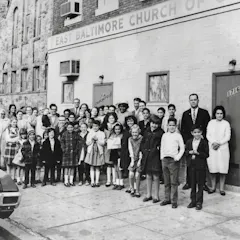
A folklorist is working to preserve the history of a unique, urban community of Lumbee Indians.

Google, Amazon and other powerful groups are renaming American cities and neighborhoods. That may make the area more appealing to newcomers – but, in many cases, residents aren’t happy.

A new study examined how growing numbers of single women in one of the world’s most expensive cities are contributing to its gentrification.
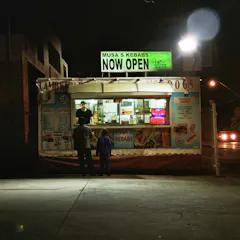
Kebab vans symbolise the success of ‘bottom-up’ multiculturalism, providing a way for the non-European cultural ‘other’ to become part of our way of life.
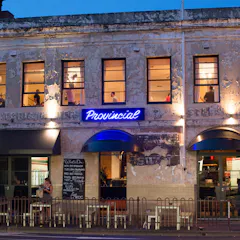
It’s easy to scorn the gentrifying hipster stereotype, but many inner-city neighbourhoods benefit from the distinctive mix of businesses and activities they pursue. So why should the suburbs miss out?
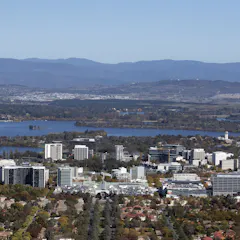
Canberra is growing as fast as anywhere in Australia. It’s driven by a knowledge economy that is transforming the city centre but is also displacing poorer residents.
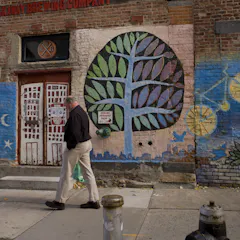
Many homes, parks and businesses in US cities stand on former manufacturing sites that may have left legacy hazardous wastes behind. A new book calls for more research into our urban industrial past.
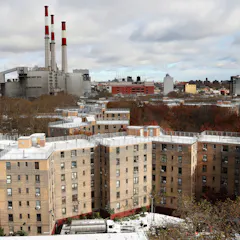
When large companies move into an area, the result is often gentrification. When this happens, the economic and social costs for displaced residents is typically high.
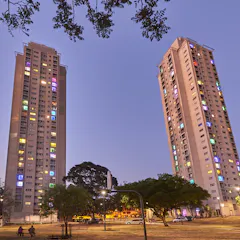
Working-class residents of Waterloo have a history of resisting threats to their community. Many tenants see the redevelopment of public housing as state-led gentrification to squeeze them out.
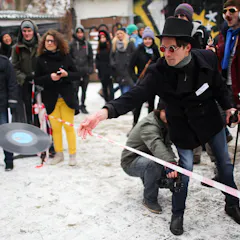
Hipsters exhibit a nostalgia for the past that echoes right-leaning political movements around the world.
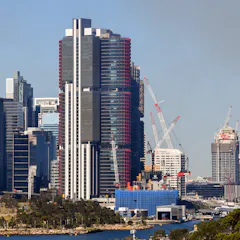
Barangaroo is an example of a development with admirable green credentials, but it is also an exclusive precinct that has played a role in displacing the disadvantaged from this part of Sydney.
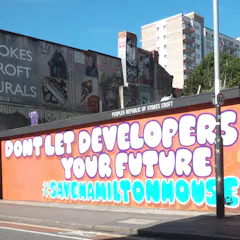
What happens in Bristol could set an important precedent for councils to step up and defend their local community’s interests.

The closure of a London pie shop raises questions regarding the relationship between food and identity.

Rapacious gentrification in Vancouver is part of the story and struggle for queer residents but queer pop-ups offer some respite.
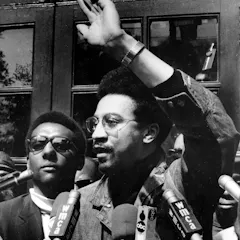
The 1968 protests at Columbia University led the institution to abandon a gym project that residents considered racist and cut off its defense work – and generated worldwide attention in the process.
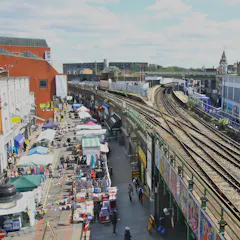
From car mechanics to coffee shops, the railway arches have long provided refuge from inner city rent hikes for small businesses.
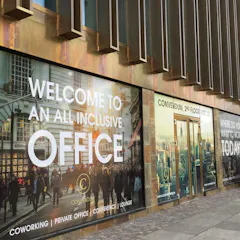
More people are choosing to work in shared spaces, and there are many benefits of this to the local economy, as well as downsides. Local governments should work with both.
Top contributors
-

Assistant Professor, Acadia University
-
Honorary Senior Fellow in Urban Geography and Planning, The University of Melbourne
-
Research Associate, Southern Centre for Inequality Studies, University of the Witwatersrand, University of the Witwatersrand
-
Professor of Sociology, Brandeis University
-
Research Fellow, School of Communication, Society & Culture, Macquarie University
-
Professor in Human Geography, Royal Holloway, University of London
-
Senior Lecturer in Landscape Architecture, The University of Melbourne
-
Ph.D. Candidate, University of British Columbia
-
Research Associate, Goldsmiths, University of London
-
Professor, City Futures Research Centre, UNSW
-
Assistant Professor of Sociology, University of California, Santa Cruz
-
Professor of Urban Planning, The University of Melbourne
-
Associate Professor of Sociology, Bentley University
-
Lecturer, School of the Built Environment, Heriot-Watt University
-
PhD Candidate, University of Cambridge