
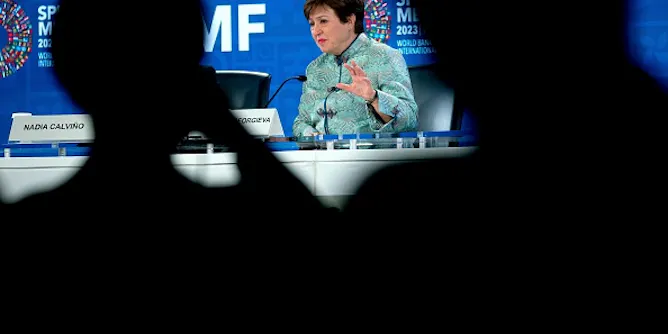
Many sources of finance, including those from the World Bank and IMF, don’t adequately cater for African nations’ specific needs.
Articles on G20Africa
Displaying 21 - 40 of 46 articles
The G20 has its critics, but an expert on international politics explains why it still performs a useful function – particularly in this period of great geopolitical divisions.
The African Union’s membership in the G20 is an important complement to existing strategic partnerships.
African cities contribute the least to but bear the highest impact of climate change in terms of frequency and severity of weather events.
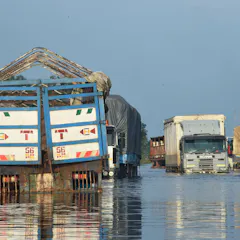
Nigeria’s new President Bola Ahmed Tinubu faces a number of challenges. But climate change cannot be ignored.
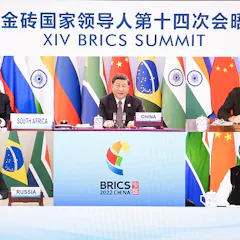
Geopolitics is forcing BRICS countries to balance respect for international law, self-determination, sovereignty and peaceful resolution of disputes with their friendly relations with Russia.
Ghana’s deal with the IMF is the 17th in its history.
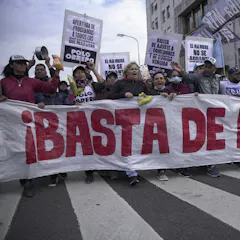
The conditions placed on countries borrowing money from the International Monetary Fund have further disadvantaged these countries economically.
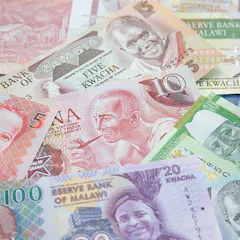
Debt forgiveness isn’t the answer. History is replete with examples of countries that are serial defaulters.
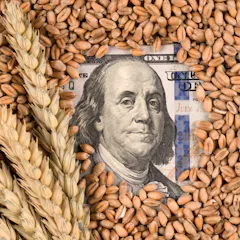
Slow growth of exports and tourism and a resurgence of global inflation have created dollar shortages in some African economies.
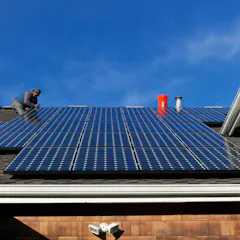
Making the green energy transition a success requires governments to pay attention to environmental factors and socioeconomic imperatives.
Thirty years ago the World Bank recognised that its position was untenable. It put in place mechanisms to make the bank more accountable to ordinary people.
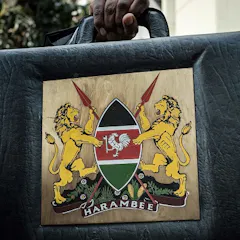
William Ruto is determined to reduce public debt by collecting more taxes to pay for what the country needs.
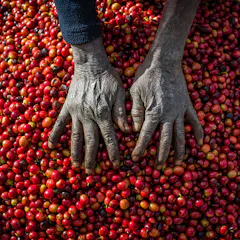
The findings show that Zambian agricultural policies do reduce headcount poverty and inequality.
Ghana’s finance ministry is struggling to build consensus on the country’s debt burden.

African countries are essentially placed in the position of a supplicant appealing to the kindness of creditors.
Emerging economies such as Brazil, Egypt, India, and Indonesia are vital global players. Saving them from possible debt default may improve the world’s resilience against the looming global recession.
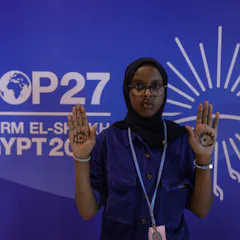
There were high expectations for COP27, the 27th Conference of the Parties to the UN Framework Convention on Climate Change. COP conferences broadly provide a platform for the negotiation of international…
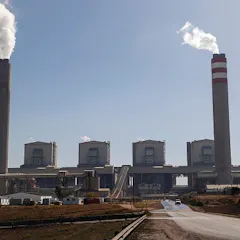
Employment-intensive growth and a low emissions strategy can complement each other in South Africa.

Cities, which account for 70% of emissions globally, should be at the frontline of tackling some of the most severe effects of climate change.
Top contributors
-

Professor/Senior Research Fellow, Centre for Advancement of Scholarship, University of Pretoria
-
Associate Lecturer, University of Aberdeen
-
Professor of Economics, Salisbury University
-
Visiting Adjunct Professor, African Energy Leadership Centre, Wits Business School, University of the Witwatersrand
-
Professor at the Nelson Mandela School of Public Governance, University of Cape Town
-
Pro Vice-Chancellor, Climate, Sustainability and Inequality and Director, Southern Centre for Inequality Studies, University of the Witwatersrand
-
Researcher in Climate and Inequality, University of the Witwatersrand
-
Research associate at African Centre for Cities, University of Cape Town
-
Senior Research Scholar at the Center on Global Energy Policy, Columbia University
-
Head: Wits School of Governance, University of the Witwatersrand
-
Dean: Faculty of Economic and Management Sciences, and Professor of Economics, University of the Free State
-
Senior Research Associate, Institute for Environment and Human Security (UNU-EHS), United Nations University
-
Lecturer in Politics and International Relations, Monash University
-
Director, Capacity and Development, Akademiya2063
-
Researcher, Center of Economic and Law Studies (CELIOS)