
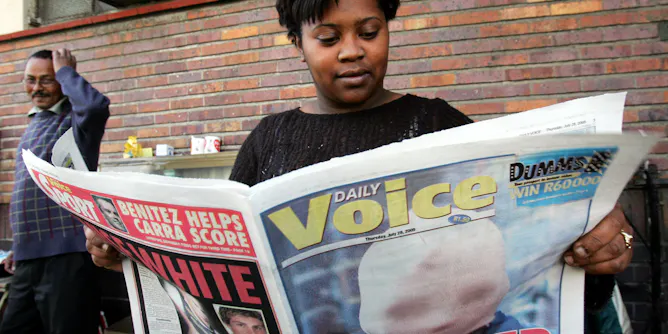
The growth of new, vibrant, independent media sites and projects in South Africa have challenged conceptions of what a newsroom is. On limited budgets, some even fare better than mainstream media.
Articles on Freedom of speech
Displaying 161 - 180 of 225 articles
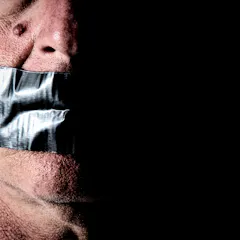
When is a joke not a joke? When it starts to erode a fundamental human right.
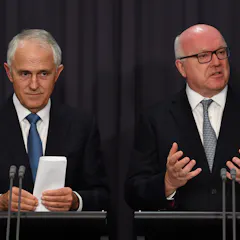
The government has not adequately explained what it is hoping to achieve by changing the wording of Section 18C.
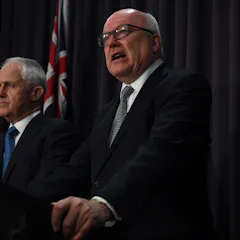
Malcolm Turnbull has announced a watering down of the controversial Section 18C of the Racial Discrimination Act.
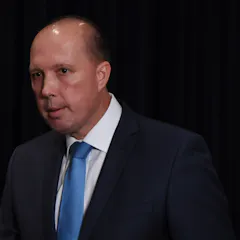
Peter Dutton has advised Alan Joyce and other business executives who have written to Malcolm Turnbull urging action on same-sex marriage to “stick to their knitting”. It’s advice some in the government…
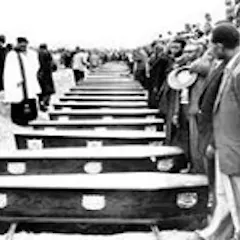
Besides a reminder of a dark period in South Africa’s history, Human Rights Day also celebrates the country’s unique, highly acclaimed constitution which guarantees human dignity and equal rights.

The growing incidence of racism on social media in South Africa suggests that there are consequences. Whether there ought to be criminal sanctions remains an ongoing debate.

How do we know what we think we know? Accuracy, care and rigorous method gets us somewhere there, especially on issues like racism.

Recent developments at the United Nations and the G-20 suggest that the well-known human rights to privacy and freedom of expression may soon be formally extended to online communications.
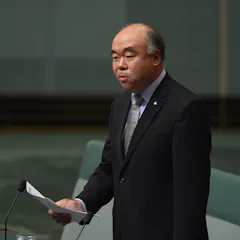
Neither Galaxy Research nor the Institute of Public Affairs think-tank discussed the most interesting data they garnered from polling on free speech and reform to Section 18C.

The public must prepare to stand up for a free press, and against online censorship and surveillance.
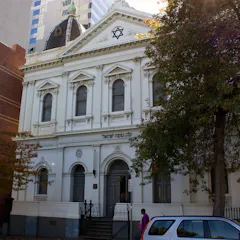
Amending Section 18C would send a ‘dangerous message’, according to the Executive Council of Australian Jewry.
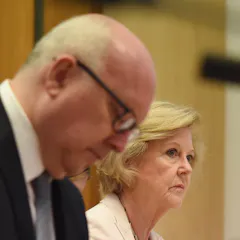
A minor change, substituting ‘vilify’ for ‘offend’ and ‘insult’, would bring Section 18C more in line with similar laws in other democracies without undermining its effectiveness.

A new clause being embedded in a number of university contracts attempts to restrict academics from speaking freely in public debate about issues that are outside their area of research.

As the US example shows, freedom of religion should not be allowed to morph into the right to discriminate.
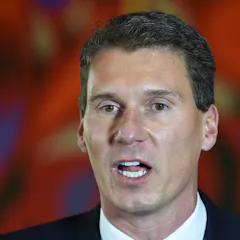
The Constitution’s external affairs power does not support Section 18C. And the section also impermissibly infringes the implied freedom of political communication.
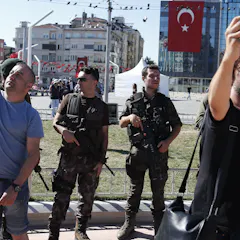
Emergency laws can sometimes be the biggest threat to a state and its people.

Controversial arguments and ideas should be listened to and open to public scrutiny. Only then can we expose those ideas found wanting and lacking any credibility.
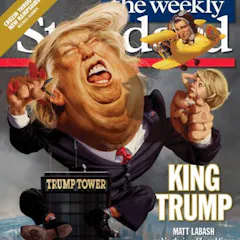
Two recent controversial cartoons depicting people as apes have raised an important question: what are the legal and philosophical distinctions between harm and offence?
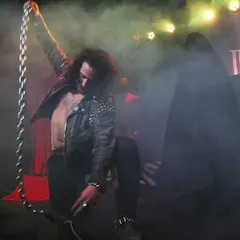
What, exactly, are the political goals of The Satanic Temple, which formed in 2013? A religion professor attended a recent satanic ritual to find out.
Top contributors
-

Professorial Fellow, University of Canberra
-
Deputy Executive Dean and Associate Dean (Academic), Faculty of Humanities, Arts and Social Sciences, The University of Queensland
-
Senior Research Fellow, Centre for Advancing Journalism, The University of Melbourne
-
University Research Professor of Education, University of Kentucky
-
Professor Emeritus of Communication and Rhetorical Studies, Syracuse University
-
Joseph Panzer Chair in Education and Research Professor of Law, University of Dayton
-
Emeritus Professor of Sociology, University of Technology Sydney
-
Professor of Private International Law and EU law, University of Aberdeen
-
ERC Postdoctoral Fellow, Hebrew University of Jerusalem
-
Lecturer in Commercial Law, University of Aberdeen
-
Associate professor, The University of Western Australia
-
Brechner Eminent Scholar in Mass Communication, University of Florida
-
Associate Professor of Philosophy and Law, Wayne State University; Institute for Humane Studies
-
Assistant Professor of Political Science, American University in Cairo
-
Honorary Research Fellow, Department of International Politics, City St George's, University of London