
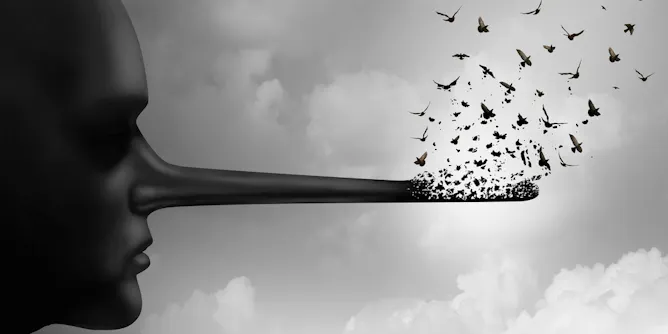
Emmanuel Macron is the latest to talk about reining in fake news. It can’t be done.
Articles on Freedom of expression
Displaying 61 - 77 of 77 articles
The Rwandan model can’t be replicated easily given that it depends heavily on political dominance and tight, centralised control of patronage networks.
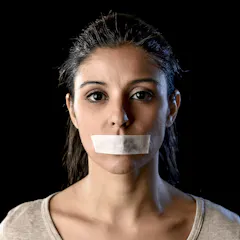
Citizens should be free to criticize government authorities on social media platforms, and muzzling such criticism may well be unconstitutional.
In such a polarized age, universities and colleges should uphold the core values of liberal education by asserting, through their policies and practices, the reasonable, rational middle ground.

As South Africa marks Media Freedom Day, it’s clear that its battle isn’t over. Attacks on journalists continue –through physical intimidation and there’s also the threat of new laws.
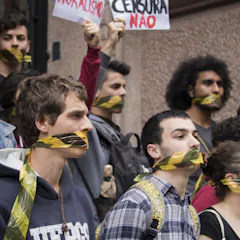
Artists, free speech advocates and gay rights activists in Brazil are dismayed after an LGBTQ-centric exhibit was closed because the subject matter offended evangelical Christians.
Kenya has published hate speech guidelines that target WhatsApp groups administrators, holding them responsible for offensive content.
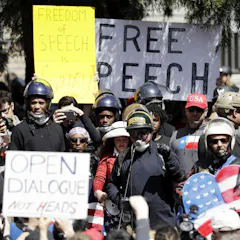
New laws pending in Wisconsin and North Carolina would require public universities to punish students who disrupt campus speakers. But these laws would do more to hinder free speech than protect it.
African governments have transitioned from outright control of freedom of expression to a subtler manipulation of the press that includes withholding state advertising from commercial media outlets.
That South Africa has voted against rights enshrined in its globally celebrated, progressive constitution suggests a troubling indifference to its human rights commitments.
South Africa’s public broadcaster is in a state of crisis, gripped by paranoia and facing accusations of censorship. Can it be saved?
Namibia’s rise in the World Press Freedom rankings is stunning. The media environment in Africa, too, has improved. But media closures and the harassment of journalists are not yet things of the past.
Non-state actors in Indonesia use violence and intimidation against a critical civil society as a means for the political and business elites to maintain wealth and power.

Those who benefit from, and defend, freedom of speech are often those who already enjoy the most privilege in society.
The increasing use of social media in the financial sector has made it difficult for companies to exercise control, while at the same time allow employees freedom of expression in the workplace.
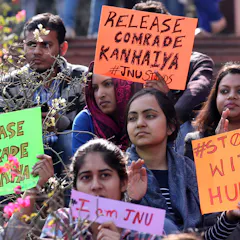
Jawaharlal Nehru University in Delhi has been rocked by protests both opposing and supporting the arrest of Kanhaiya Kumar.
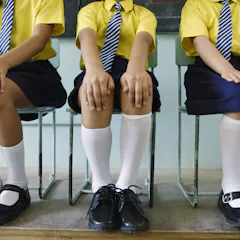
Many schools claim that when students attend in uniforms, it improves discipline, and leads to academic gains. But does it?
Top contributors
-

Professor of Media Industries, University of Nottingham
-
Professor of Digital Society, University of Glasgow
-
ERC Postdoctoral Fellow, Hebrew University of Jerusalem
-
Senior Lecturer, Stellenbosch University
-
Professor of Political Science, Director of Center for Islamic & Arabic Studies, San Diego State University
-
Professor of Democracy, University of Birmingham
-
Journalism Instructor, Toronto Metropolitan University
-
President Emeritus, University of Saskatchewan
-
Vice-Chancellor and Principal of the University, University of Pretoria
-
Professor Emeritus of Education Law & Labor, University of New Hampshire
-
Lecturer, Information Technology and the Law, Daystar University
-
Associate researcher, University of the Witwatersrand
-
University Research Professor of Education, University of Kentucky
-
Professor of Philosophy, Universidade Federal do Estado do Rio de Janeiro (UNIRIO)
-
Professor Emeritus, Education and History, York University, Canada