
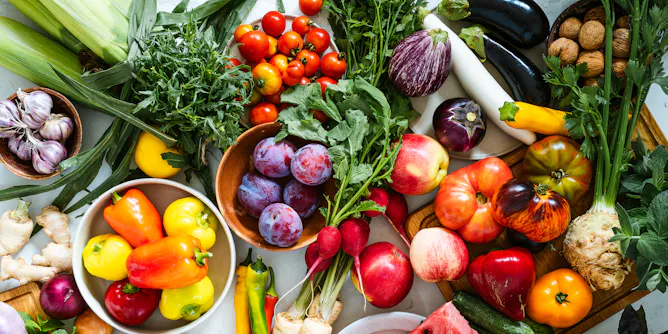
Blueberries, walnuts and dark green leafy vegetables head the list, but diversity is the key to getting more antioxidants in your diet.
Articles on Free radicals
Displaying all articles
Alcohol is the third-leading preventable cause of cancer in the US, accounting for tens of thousands of cancer deaths per year.
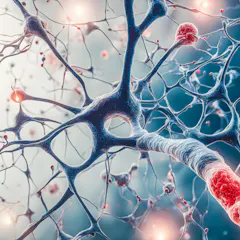
Addressing the harmful chemical processes that accompany blunt force trauma to the brain can reduce the risk of long-term disability.
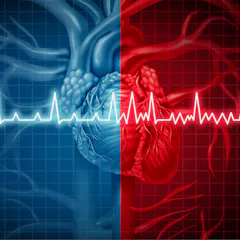
Obesity can put strain on the heart, resulting in an increased risk of conditions such as atrial fibrillation, or irregular heart rhythms.

A study has suggested that consuming ecklonia cava – a type of brown algae – could prevent or delay the onset of Parkinson’s disease.
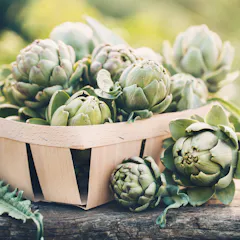
They’re in your wine, tea and all the plants we eat. Polyphenols can benefit our health in many different ways, some of which are still yet to be discovered.

New scientific discoveries are being made by drawing on Indigenous peoples’ ancestral knowledge about medicinal plants.
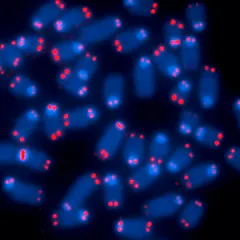
The protective caps at the ends of chromosomes naturally shorten over time. Researchers found that direct damage can prematurely trigger senescence and contribute to age-related diseases like cancer.

The health benefits of exercise for our mind and body are well documented. But did you know that exercise could lower the risks of the most dangerous COVID-19 complication?

Emerging evidence suggests that prolonged stress exposure can accelerate the ticking rate of an internal cellular clock. By doing so, stress can contribute to faster ageing and body deterioration.
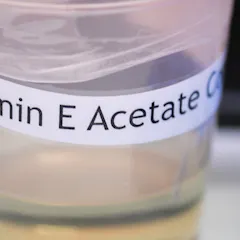
A form of vitamin E could be behind recent vaping illnesses and death, as the vitamin was not meant to go into the lungs. Lax oversight of products and supplements only worsens the situation.

Genetic testing companies are offering tests that analyze the ends of your chromosomes – telomeres – to gauge your health and your real age. But is there scientific evidence to support such tests?
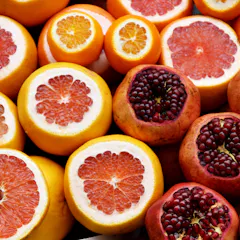
Antioxidants are meant to be good for us, but not all antioxidants are equal.

Energy from the sun’s rays can cause skin damage and cancers. Sunscreens can absorb or reflect the dangerous UV light. Here’s how it works.
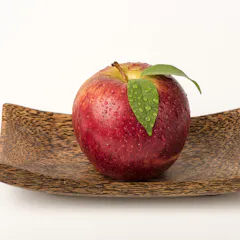
We hear about the benefits of antioxidants, but who knows what they really do? Actually, quite a lot. They repair cellular damage caused by trouble-making free radicals.
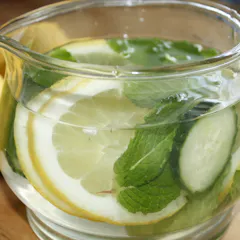
The human body is a comprehensive, self-mending, self-detoxing apparatus that will perform its tasks regardless of whether you’re undertaking a rigid detox cure, or a gourmet food and wine marathon.
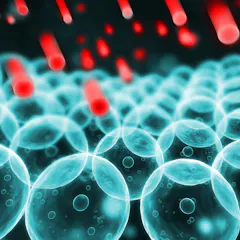
New research suggests that far from helping treatment, antioxidants can change cancer cells to make them spread more quickly.

Antioxidants are a commonly promoted feature of health foods and supplements. They’re portrayed as the good forces that fight free radicals – nasty molecules causing damage thought to hasten ageing and…
Top contributors
-

Professor of Environmental and Occupational Health, University of Pittsburgh
-
Research Chemist, University of California, Riverside
-
Head of the Tumour Plasticity Lab, King's College London
-
Senior Lecturer, Nutrition and Food Science, Australian Catholic University
-
Research Fellow in Analytical Chemistry, Deakin University
-
Research & Teaching Academic, The University of Queensland
-
Assistant Teaching Professor in Nutritional Sciences, Penn State
-
Doctora en Ciencia y Tecnología de los Alimentos. Científico Titular en el ICTAN-CSIC. Centro de Investigación Biomédica en Red en Diabetes y Enfermedades Metabólicas, Instituto de Ciencia y Tecnología de Alimentos y Nutrición (ICTAN - CSIC)
-
DECRA Fellow, UNSW
-
Associate Professor, Nutrition and Food Science, University of Maryland
-
research scientist, Université Sorbonne Paris Nord
-
Assistant Professor of Biochemistry and Molecular Biology, Thomas Jefferson University
-
Postdoctoral Researcher in Environmental and Occupational Health, University of Pittsburgh
-
Assistante de recherche, MSc, Université du Québec à Chicoutimi (UQAC)
-
Faculty Scientist, MaineHealth Institute for Research (NOT University of Puget Sound), University of Puget Sound