
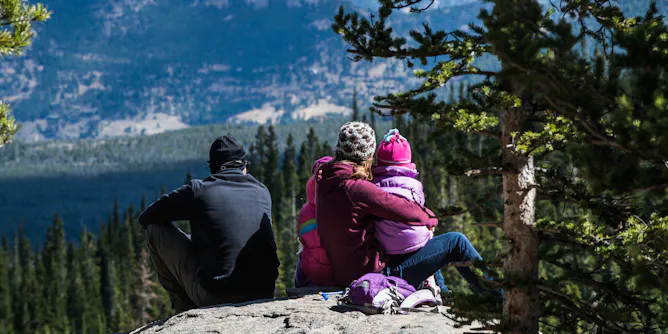
Study using tree ring data and climate projections shows that buildup of CO2 will not benefit most northern forests and that growth rates will actually fall.
Articles on Forests
Displaying 381 - 400 of 503 articles

It’s important to close roads from further vehicle use after the end of logging operations. But these roads ought to be re-opened when the next phase of logging takes place in each area of forest.
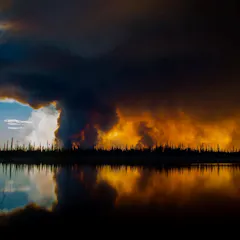
A review of more than 40 years of wildfire activity in the western U.S. demonstrates the potent effect drier, warming spring seasons, due to climate change, is having on wildfires.
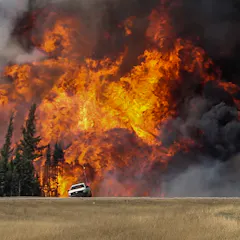
Yes, climate change is creating conditions for the extraordinary wildfires near Fort McMurray, Alberta, but El Niño played a bigger role, says atmospheric scientist.
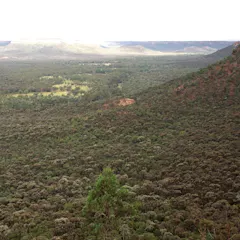
Science was instrumental in working out how to clear brigalow forest to make way for farming in the 20th century. Now it’s trying to bring these iconic forests back.
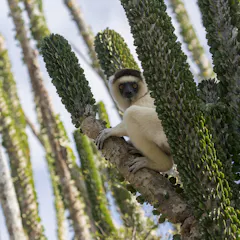
Climate change and overfishing have destroyed livelihoods, so many locals have been forced into the forest.
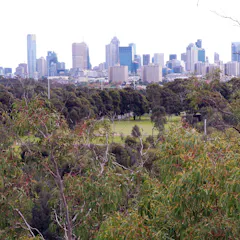
Achieving green cities will require more than just canopy cover targets and central city strategies. It will need new approaches to urban planning and development.
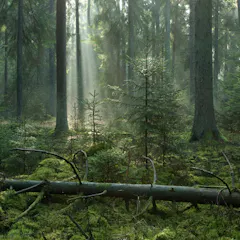
More logging won’t help Bialowieza fight off spruce bark beetles. Let’s let the forest adapt and evolve naturally.
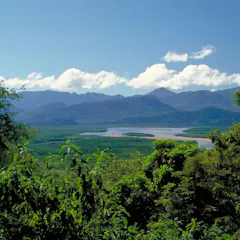
Queensland’s Wet Tropics are home to a dizzying range of plant and animal species, but are at risk of being overrun by yellow crazy ants.
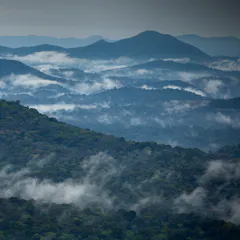
Protecting this ecosystem helps local people and secures coffee’s long-term genetic future.

The islands of São Tomé and Príncipe must work hard to protect their native forests from deforestation.
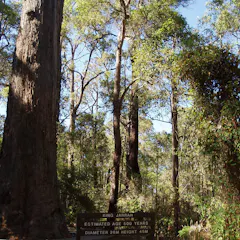
When Europeans first arrived in Australia’s Southwest, they found vast tracts of huge jarrah trees. Now, after logging and dwindling rainfall, only a handful of these giants remain.

New data have revealed a disturbing trend in forest loss: the hearts of the world’s forests are disappearing. To stop them bleeding out, we’ll have to say ‘no’ to some developments.

Forests that grow back after being cleared for agriculture or by logging grow back much faster than old-growth forests, soaking up carbon and providing vital habitat.
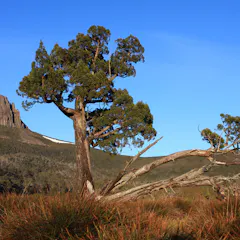
Bushfires are threatening Tasmania’s World Heritage area and ancient plants, warning us of a possible future under climate change.
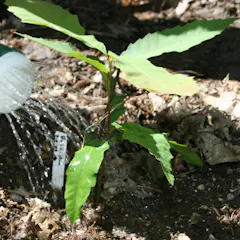
Adding a single wheat gene helps the American chestnut withstand a fungal pathogen that nearly wiped these hardwood trees out of the eastern forests they once dominated.
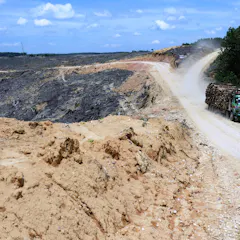
From drought to economic slowdown, 2016 promises a mixed bag for the world’s forests.
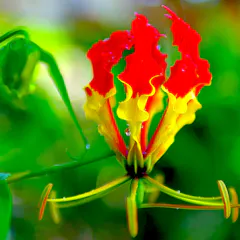
It’s not just Australia’s animals that can be deadly, there are plenty of dangerous plants too.
Australia may have reputation for vast areas of wilderness, but in reality the continent’s ecosystems have been chopped and diced. Now we need to protect what’s left.
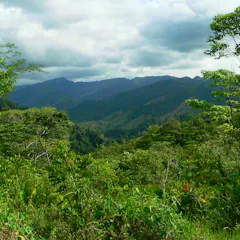
Forest conservation has been a contentious issue in international climate change discussions for years, but now developing countries are embracing the need to protect their forests.
Top contributors
-

Distinguished Professor of Ecology, Fenner School of Environment and Society, Australian National University
-
Distinguished Research Professor and Australian Laureate, James Cook University
-
Research Associate, University of New South Wales, and Adjunct Associate Professor, Curtin University
-
Professor, University of Tasmania
-
Chief Research Scientist, CSIRO Environment; Executive Director, Global Carbon Project, CSIRO
-
Research Fellow, Fenner School of Environment and Society, Australian National University
-
Professor in Conservation Science, School of the Environment, The University of Queensland
-
Professor Emeritus of International Environmental Policy, Tufts University
-
Master of University House and Professor of Forestry, Australian National University
-
Professor Emeritus of Global Change Biology and Terrestrial Systems Science, Oregon State University
-
Agente de transfert de connaissances pour le Centre de recherche sur la boréalie (CREB), Université du Québec à Chicoutimi (UQAC)
-
Professor in Forest and Landscape Dynamics, The University of Melbourne
-
Honorary Professorial Fellow, The University of Melbourne
-
Associate Professor of Civil Engineering, Boise State University; United Nations University
-
CGIAR