
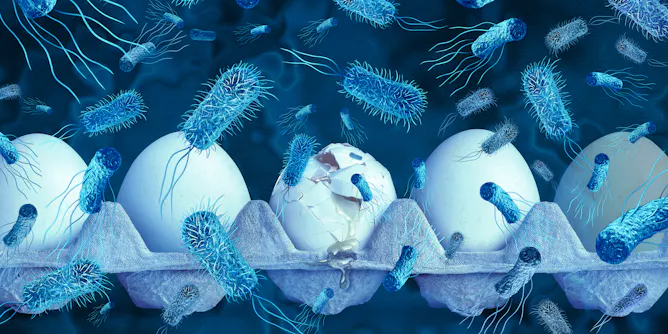
From eggs and jalapenos to dog food, granola and pet turtles – it seems like you can catch a Salmonella infection from just about anything these days.
Articles on Foodborne illness
Displaying all articles

Rather than avoiding fresh produce, adopting a few sensible food safety practices can help cut your risk of infection. Includes video 🎥
Improperly stored leftovers can be a key cause of food poisoning.

Norovirus outbreaks at events like the Olympics are more than logistical setbacks. They reveal how the virus’s biology and the realities of mass gatherings make containment difficult.
A few precautions as you prepare your Thanksgiving feast will help keep gastrointestinal distress out of your holiday gathering.
From food trucks in Italy to jars on UK shelves: botulism is rare but deadly. Here’s what you need to know.
There was a 17% increase in cases observed from 2023 to 2024 in the UK.

You can get norovirus any time of the year, but it spreads most during the winter.
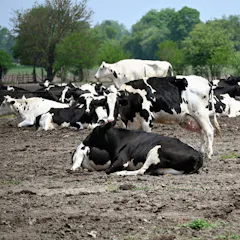
Raw milk can carry many dangerous germs − now including the H5N1 virus that causes avian flu.

Common summer activities can expose you to a host of infectious diseases. But there are simple steps you can take to protect yourself from pathogens ranging from E. coli to T. gondii.
Before World War II, pathogens in milk accounted for 1 in 4 cases of foodborne diseases in the US. Pasteurization reduced this figure to less than 1%.
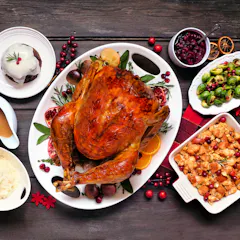
A food thermometer is your holiday feast’s unsung hero, ensuring that poultry, meats and other dishes, including vegetable-based, reach the internal temperatures needed to eliminate harmful pathogens.
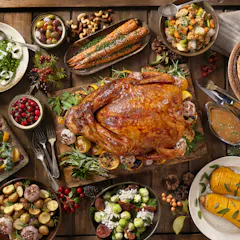
Keeping guests safe involves far more than just careful cooking − hand-washing, keeping work surfaces clean, safe handling and proper storage are also key ingredients.

Environmental degradation and altered landscapes, both due to human action and climate change, increase the incidence of already known diseases and the risk of new zoonoses emerging

Lockdowns to curb the spread of COVID-19 had various effects on food as it went from farms to plates.
Food safety agencies have assessed the risk of acquiring COVID-19 from contaminated food or food packaging. They found that currently, there’s no evidence that the virus is a food safety risk.
Top contributors
-

Professor of Biomedical Sciences, Quinnipiac University
-
Associate Research Professor of Food Science, Penn State
-
Food Systems and Safety Program Team Director, Clemson University
-
Pesquisadora, Faculdade de Medicina da USP (FMUSP)
-
Researcher and Adjunct Professor, Food Science , University of Guelph
-
Professor, University of Nairobi
-
Professor of Microbiology and Immunology, Indiana University
-
Professor and Director: Centre for Applied Food Sustainability and Biotechnology , Central University of Technology
-
Adjunct Professor, Centre for Applied Food Sustainability and Biotechnology, Central University of Technology
-
Associate Professor, School of Public Health Sciences, University of Waterloo
-
Professor Food Safety Systems at the Natural Resources Institute (UK) and contributing scientist ILRI, International Livestock Research Institute
-
Assistant Professor of Microbiology and Immunology, Western University
-
Professor of preventive medicine, health policy, infectious diseses, Vanderbilt University
-
Professor, Microbiology, Quadram Institute
-
Senior Lecturer, Medical Microbiology, University of Westminster