

The U.S.-based white supremacist movement that calls itself the “alt-right” has recently embraced milk as a symbol.
Articles on Food security
Displaying 361 - 380 of 550 articles

Faced with a massive food production shortfall, Africa can look towards India’s Green Revolution to jump start its agricultural output.
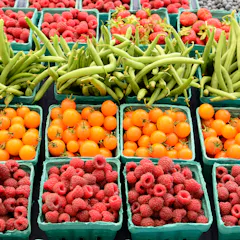
Low-income Canadians lack nutritious food options in part due to negative societal attitudes about them.
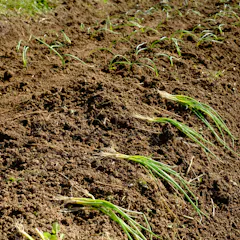
Healthy soil teems with bacteria, fungi, viruses and other microorganisms that help store carbon and fend off plant diseases. To restore soil, scientists are finding ways to foster its microbiome.

No nation can truly feel secure without its own food supply.

We will one day grow food in conditions as extreme as Mars. Developing the controlled environments required will help not only space explorers but also support our own survival here on Earth.

Cutting the program formerly known as food stamps would hurt low-income Americans and the whole economy. As research indicates that it’s working well, this drive to defund is baffling experts.

Diversity, resilience, resistance to disease: seeds must be preserved to ensure we can feed our world in the future.
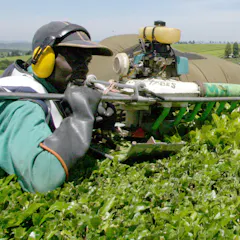
Governments on the African continent must increase their investment in research and development so that science can yield self-sufficiency.
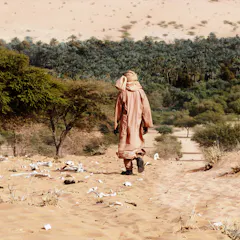
Africa’s great green wall suffers from a major mismatch between ambition and effort. But that’s not to say it should be ditched altogether.
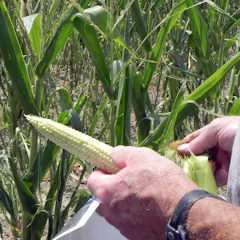
Climate change, rising food demand and globalization are putting pressure on world food production. New research explores the risk of failures in several of the world’s breadbasket regions at once.
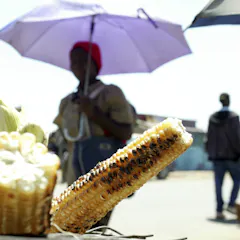
Kenya’s high consumer food prices are worrying because they are unresponsive to the policies pursued. The country needs to address this and improve planning to attain stability.

We set out to discover whether it’s possible to reduce the alarming rates of non-communicable diseases in Pacific nations while improving nutrition security and income.
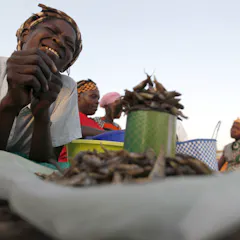
The harassment of informal food vendors by national and municipal governments remains a major impediment to improving the resilience of the urban poor in African cities.

Over-consumption of food is bad for the planet and unhealthy for humans.
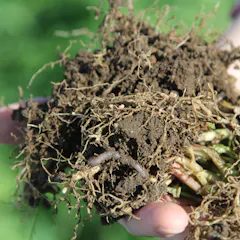
To help feed a growing world population, restore biodiversity and slow climate change, a geologist calls for a moon shot effort to restore healthy soil around the world.

The impact of plant disease may be reduced if people are made aware of the many pathways for plant-killing microbes – and why preventing their spread matters to us all.

Conventional wisdom says we need industrial agriculture to feed the world. Not so, says geologist David Montgomery: Practices that focus on creating healthy soil can transform agriculture.

South Africa’s social grants, which benefit a third of the country’s population, are widely celebrated. But these grants fall far short of addressing the country’s malnutrition challenge.

New technologies are developing with exponential velocity, breadth and depth. Their systemic impact is likely to be profound.
Top contributors
-

Senior Fellow, Department of Agricultural Economics, Stellenbosch University
-
Associate Professor in Food Systems, The University of Melbourne
-
Research Fellow, Tegemeo Institute, Egerton University
-
Associate Professor, Department of Entomology; African-American Studies, University of Illinois Urbana-Champaign
-
PhD, Political Economy, Macquarie University
-
Professor of Food Policy, City St George's, University of London
-
Researcher in sustainable food systems, The University of Melbourne
-
Director of the Arrell Food Institute and Professor in the Dept. of Geography, Environment and Geomatics, University of Guelph
-
Network and Research Manager: ARUA – UKRI GCRF FSNet Africa, University of Pretoria
-
Professor in Food Security; Head of the Department of Agricultural Economics, Extension and Rural Development, University of Pretoria
-
Emeritus Fellow in Plant Biochemistry, University of Westminster
-
Professor of Social Development Studies, University of Johannesburg
-
Food Systems Research and Partnerships, The University of Melbourne
-
Adjunct Professor, Curtin Business School, Curtin University
-
Climate Scientist and Researcher, University of Cape Town