
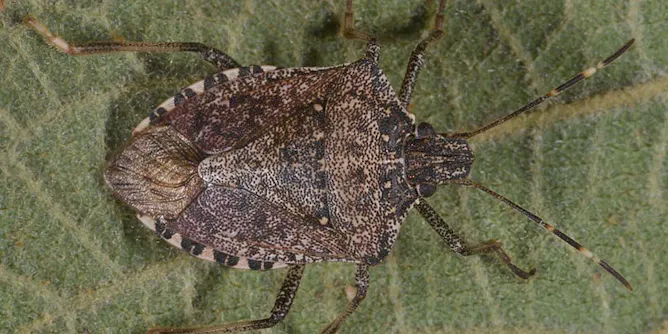
An invasive insect native to Asia, Halyomorpha halys, has been detected in the US, Canada and southern Europe. It’s now made its debut in Paris.
Articles on Food security
Displaying 341 - 360 of 550 articles
Post-harvest management will reduce losses and improve food availability.

When present in the lowest atmospheric layer, ozone becomes a concern for human and plant health.
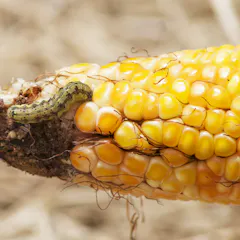
Farmers needs a way to manage harmful insects without destroying the ecological balance.

Many critics say that fish farms mainly sell their output to wealthy countries and don’t provide much benefit to poor people in producing countries. Three aquaculture experts show why this view is wrong.

In periods of water stress, farmers need support, research assistance and empathy from governments and competing water users.
Congress is drafting the 2018 farm bill, which will guide agriculture, nutrition, trade and rural development policy. A former agriculture secretary explains how this bill reaches far beyond farms.

Free university education and land redistribution without compensation have far-reaching implications for South Africa’s economy, and requires exceptional leadership.
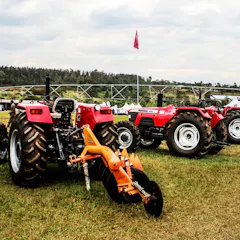
There were some African food security initiatives from 2017 that deserve a special mention for the precedent they set.
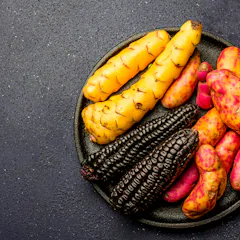
Over half the calories humans eat today come from corn, wheat and rice. Raising a greater diversity of types of crops and animals (agrobiodiversity) makes diets healthier and farming more resilient.
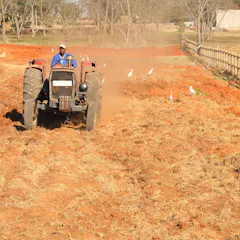
Mechanisation of agricultural activity can help many African countries unlock underutilised agricultural potential. But there are serious obstacles which must be removed.
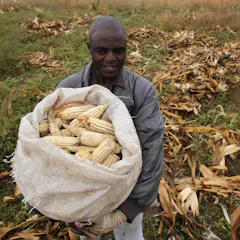
The Food and Agriculture organisation estimates that 30 to 40% of total food production is lost before it reaches the market. The losses in Africa are greater and sustainable strategies are needed.

Britain has fed itself before, can it do so again? It’s not easy to tell.
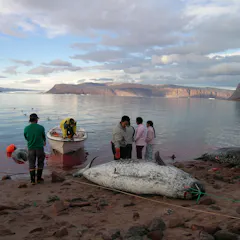
The North Water Polynya, or Pikialasorsuaq, is a key ocean area for Arctic animals and for Inuit hunting and fishing. Rocket launches threaten to contaminate the area with harmful chemicals.
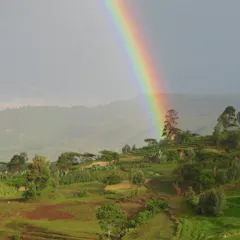
According to the UN, world hunger is rising for the first time in 15 years. The answer is not only growing more food, but also buffering small-scale farmers against climate change and armed conflicts.

Development officials have been cautiously optimistic that we were on our way to eradicating hunger. But a recent report by the UN shows a surge in global hunger due to conflict and climate change.

South Africa should review its rural development strategy and land reform policy to win the fight against rising poverty.
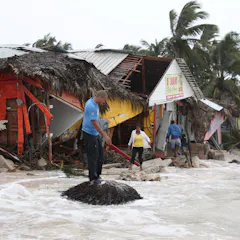
Hurricane Maria has left 3.4 million Puerto Ricans facing shortages of food, health care and transit, an American humanitarian crisis fueled by the US territory’s May 2017 bankruptcy.
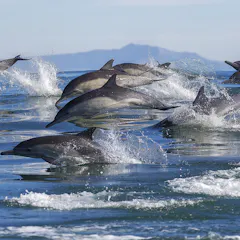
Marine mammals are often referred to as sentinels of the ocean and research on whales and dolphins in particular contributes important knowledge about the health of our seas.
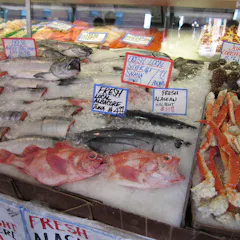
A new study shows that sustainable fish farming in deep ocean waters could produce as much seafood as all of the world’s wild fisheries, in a space the size of Lake Michigan or Africa’s Lake Victoria.
Top contributors
-

Senior Fellow, Department of Agricultural Economics, Stellenbosch University
-
Associate Professor in Food Systems, The University of Melbourne
-
Research Fellow, Tegemeo Institute, Egerton University
-
Associate Professor, Department of Entomology; African-American Studies, University of Illinois Urbana-Champaign
-
PhD, Political Economy, Macquarie University
-
Professor of Food Policy, City St George's, University of London
-
Researcher in sustainable food systems, The University of Melbourne
-
Director of the Arrell Food Institute and Professor in the Dept. of Geography, Environment and Geomatics, University of Guelph
-
Network and Research Manager: ARUA – UKRI GCRF FSNet Africa, University of Pretoria
-
Professor in Food Security; Head of the Department of Agricultural Economics, Extension and Rural Development, University of Pretoria
-
Emeritus Fellow in Plant Biochemistry, University of Westminster
-
Professor of Social Development Studies, University of Johannesburg
-
Food Systems Research and Partnerships, The University of Melbourne
-
Adjunct Professor, Curtin Business School, Curtin University
-
Climate Scientist and Researcher, University of Cape Town