
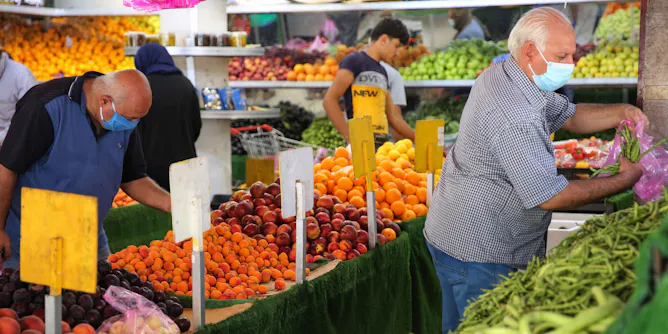
A new UN report shows that hunger and food insecurity are rising worldwide. The COVID-19 pandemic is adding to this trend, but is not the major driver.
Articles on Food prices
Displaying 121 - 140 of 155 articles
Canada’s public health-care system is one of the most well-developed in the world. And yet, many remote Indigenous communities are still not getting what they need.
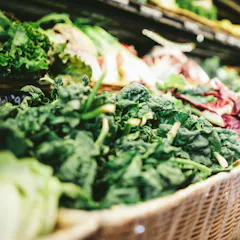
Canada’s Food Price Report, recently published by Dalhousie University and the University of Guelph, predicts significant price hikes for vegetables this year.

There is something deeply irrational about the food waste movement.

It seems like a simple case of too much sun or snow wrecking crops. But is it?

As luxury housing developments swallow up agricultural land, they also diminish our food security and health.
South Africa’s land reform debate must not lose sight of the real issue: how to provide enough food to feed its people.
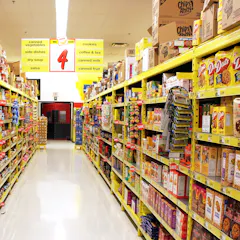
Canadians are bargain-hunters when it comes to food, and so food manufacturers try to keep prices low. But does that mean they should engage in ‘shrinkflation?’
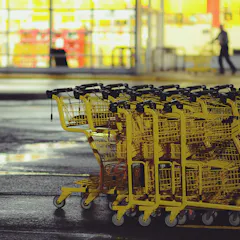
Canada’s bricks-and-mortar grocery stores are in trouble due to stagnant food prices and changing consumer preferences. More grocery store closures are likely on the horizon.

In Morocco, bread is not only a symbol for wider demands but also the material basis of affordable and just living conditions.
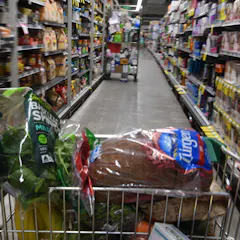
The latest report from the Grattan Institute, finds that claims about Australia being dominated by oligopolies are overblown.
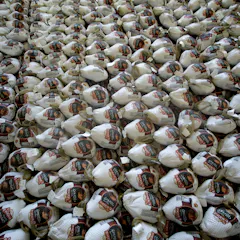
An economist explains why turkeys defy the economic laws of supply and demand.
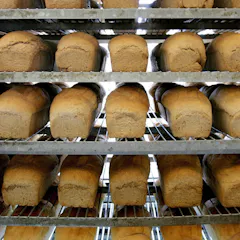
Canadian consumers could benefit from the Competition Bureau’s investigation into the so-called bread cartel, but not in a way they think. Here’s how.
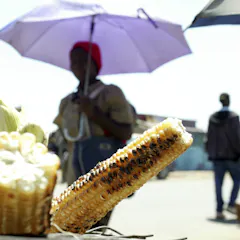
Kenya’s high consumer food prices are worrying because they are unresponsive to the policies pursued. The country needs to address this and improve planning to attain stability.
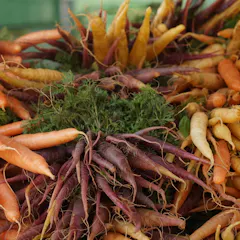
Australians may need to get used to coping with more disruptions to their food supply and rising food prices in a warming climate.

The annual economics award recognises the value of micro analysis and good, old-fashioned legwork.
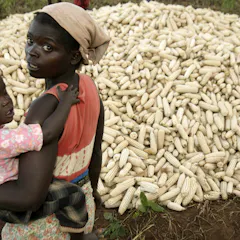
Malawi’s large-scale subsidy for farmers has resulted in higher maize production, lower food prices and higher wages. But this has come at significant costs.
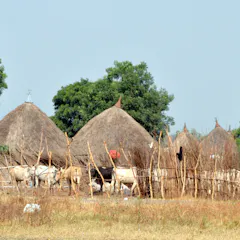
Foreign investors need to tread carefully when acquiring land in Africa. This is best illustrated in the ecologically sensitive Gambela region of Ethiopia, where firms have endangered livelihoods.

How people respond to changing economic incentives appears to explain a lot of the upward trend in weight.

Today many people follow vegetarian, vegan and a variety of eclectic diets, but before World War II meals were commonly based on the meat and two veg philosophy. And so food rationing, which began 75 years…
Top contributors
-

Director, Agri-Food Analytics Lab, Professor in Food Distribution and Policy, Dalhousie University
-
Professor, Food Economics, University of Guelph
-
Professor of Economics, Centre for Competition, Regulation & Economic Development, UJ, and at SOAS University of London; advisor Shamba Centre for Food & Climate, University of Johannesburg
-
Associate Professor of Economics, University of Sydney
-
Professor of Economics & Business, Allegheny College
-
Professor, Department of Government, University of Essex
-
Associate Professor of Agri-Food Trade and Policy, University of Guelph
-
Professor of Agricultural Economics, Lincoln University, New Zealand
-
Associate Professor, Supply Chain Analytics, University of Bradford
-
Senior Lecturer in Finance, Covenant University
-
Professor of Accounting, University of Portsmouth
-
Executive Director, Swette Center for Sustainable Food Systems, Arizona State University
-
PhD Student, Social Anthropology, Dalhousie University
-
Assistant Professor, Sustainability and Environmental Studies, St. Thomas University (Canada)
-
Professor of Food Policy, City St George's, University of London