
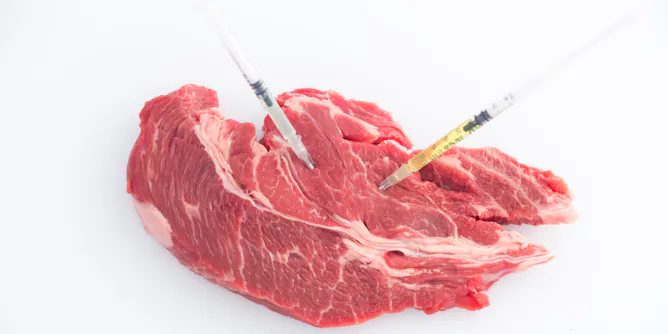
Antibiotic resistance is not only a hospital problem. Farming, food production and import standards also play a role.
Articles on Food chain
Displaying 1 - 20 of 23 articles

With the loss of sea ice, tiny filter feeders known as ‘salps’ can thrive, while shrimp-like krill lose out.

South Africa plans to ban plastic microbead particles that wash into the ocean and end up in the fish we consume. The ban may take two years to come into effect.
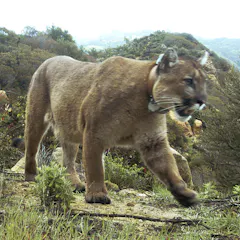
Modern rodenticides can kill rats with a single dose and readily pass up the food chain to larger carnivores. They are widely used and largely unregulated.

Invertebrates underpin Earth’s ecosystems – so if their numbers decline, the ecological damage will be felt far and wide.
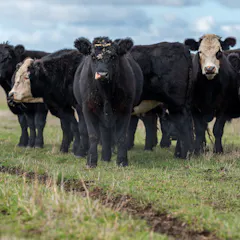
Most food in Australia remains free of PFAS, but a new study has found it can build up in cattle on PFAS-affected farms. But there are ways to manage the land and livestock to reduce the risks.
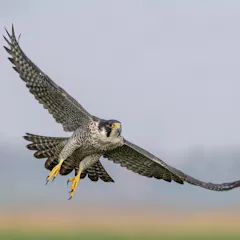
Lockdown wasn’t good news for London’s peregrine falcons.

We hear a lot about how humans eating meat is bad for the planet. But if every animal only ate plants, Earth would look dramatically different.

Polar bears are increasingly seeking sustenance in human trash because of melting sea ice and a loss of hunting opportunities. The result is a rise in human-bear conflict – and dead bears.
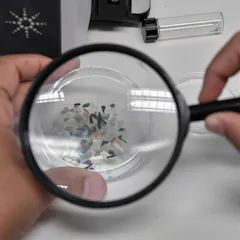
As more and more plastic trash permeates the oceans, fragments are making their way into fish and shellfish – and potentially into humans.
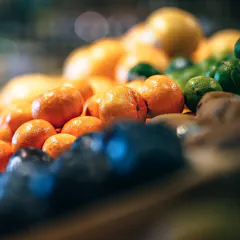
It’s vital to look through a systems lens to understand how future food chains should interact and how risk should be managed. This is particularly critical as we confront a second wave of COVID-19.
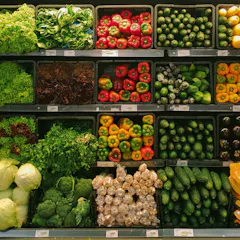
Food is essential to survival. It is also essential to identity. During times of national crisis like the coronavirus pandemic and in the historical landscape, food issues become prominent.
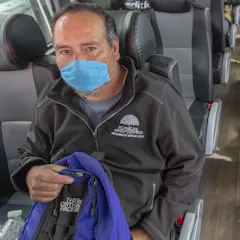
The demands of social distancing during the coronavirus pandemic will make it increasingly difficult for migrant agricultural workers to meet their basic needs.
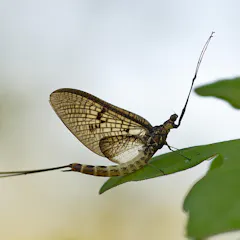
Mayflies and stone flies are extremely vulnerable to water pollution, which has implications for the larger food chain.
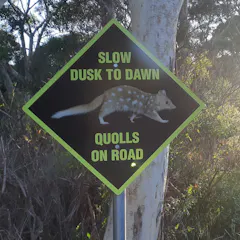
Rewilding is gaining popularity around the world, as a means to restore ecosystems to their ancient state. But just like Vegemite, Australian rewilding projects need to have a unique flavour.
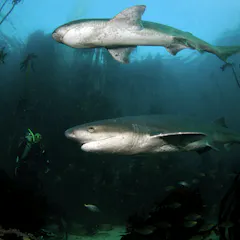
The False Bay ocean food chain in Cape Town began to change significantly in 2015 with the appearance of shark-eating killer whales.
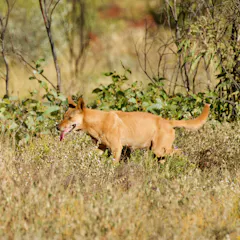
A survey of 32,000 samples of dingo droppings and stomach contents reveal that this predator’s appetite is as wide-ranging as Australia’s landscapes. But medium and large mammals are top of the menu.

Sharks eating seagrass? Sounds fishy, but the reality is that animals don’t conform to the strict categories we try to place on their diets.
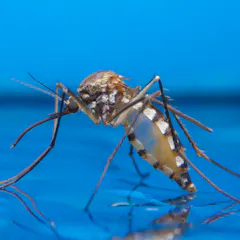
Mosquitoes are transferring microplastics eaten in water into birds and other non-marine animals.
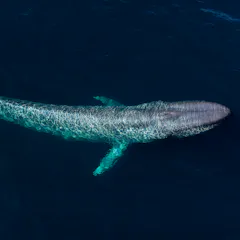
The only sea creature known to attack blue whales is the orca, also known as a ‘killer whale’. But humans present a much bigger threat to them.
Top contributors
-

Research Scientist, Stanford University
-
Associate Professor, Global Ecology, University of Sydney
-
Researcher and co-director of The Oceania Project , Southern Cross University
-
Anthrozoologist, external advisor, Nottingham Trent University
-
Professor in Wildlife Ecology and Conservation, School of Life & Environmental Sciences, Deakin University
-
Professor of Environmental Management, The University of Queensland
-
Researcher and co-director of the The Oceania Project, Southern Cross University
-
PhD researcher, University of Reading
-
Professor of Zoology and Entomology, University of the Witwatersrand
-
Honorary Research Fellow, University of Sydney
-
Professor of Entomology and Curator of the C. P. Gillette Museum of Arthropod Diversity, Colorado State University
-
Professor of Invertebrate Zoology, University of Reading
-
Professor Emeritus in Terrestrial Ecology, University of Sydney
-
Professor in Ecology, Charles Sturt University
-
Professor of Terrestrial Ecology, Deputy Vice Chancellor, Tropical Environments and Societies, James Cook University