
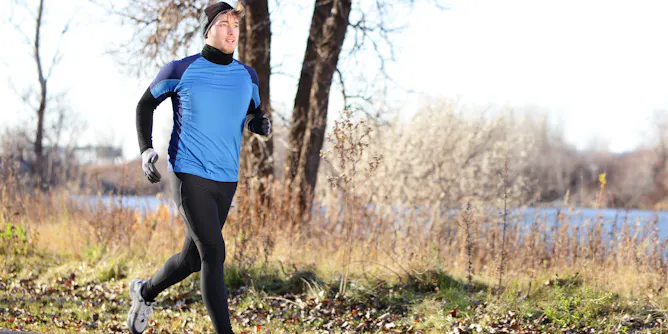
Exercise can improve mood and mental health, which may drop during the winter months.
Articles on Fitness
Displaying 221 - 240 of 356 articles

New research suggests cardiac rehab programmes may not be carried out as intended.
‘Eccentric exercises’ are a normal part of everyday life – but they may carry some risks.
Focus on “being” an exerciser, instead of seeing exercise as something you “should” do.
We need better national monitoring of children’s fitness levels.
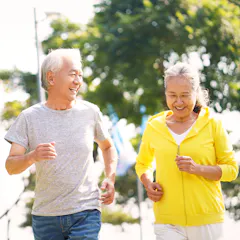
The app’s predictions may only work if we’re willing to make life changes.
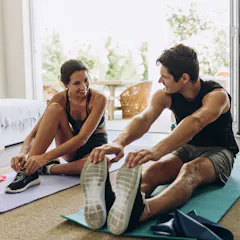
Studies show rest days are important for helping our body recover and adapt in many ways.
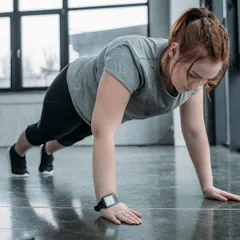
Hormonal changes mean during the first half of a woman’s menstrual cycle, she’ll have more energy and recover more quickly. This is the time to train hardest.
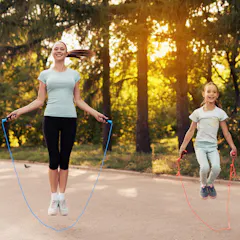
Jumping rope is short on time, fun, and good for your heart health.
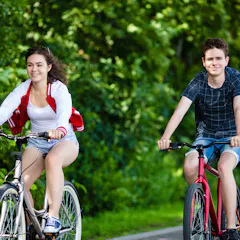
Living near green spaces, or growing up in a deprived neighbourhood, were both linked to higher fitness levels among teens.
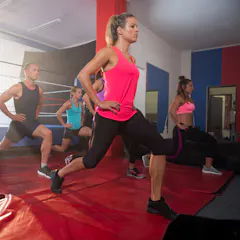
During an AMRAP workout, participants will aim to complete as many rounds of a single exercise as possible within a set time.
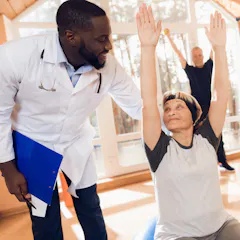
Physical training before surgery — like breathing exercises or running — boosts the odds of a good outcome. Patients with surgeries postponed during COVID-19 can use the delay for ‘prehabilitation.’

Even if you exercise, sitting too much is linked to health risks from anxiety to diabetes. But this ‘invisible’ behaviour may pervade our lives even more under COVID-19 stay-at-home guidelines.
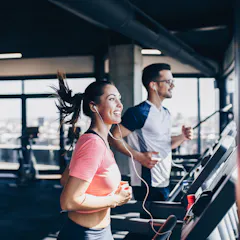
If you’re itching to get back to the gym when it re-opens, here’s what you can do to protect yourself and others from COVID-19.

Youth physical inactivity was already a problem before COVID-19, but it doesn’t have to stay that way.

Online workouts can give women support and inspiration. Now they’ve discovered the benefits, women might be less inclined to return to the gym once restrictions are lifted.
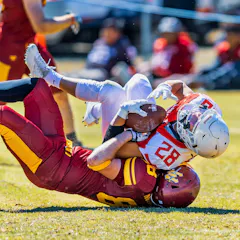
Every year, about 10 per cent of youth athletes experience a concussion. Research shows there are steps we can take to help prevent these injuries, but we can’t be afraid to make changes.
If you want to boost your energy and mood and feel more alert, get moving instead of getting coffee.
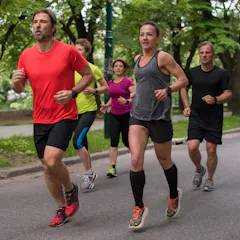
Though exercising at around 50-72% of our VO₂ uses more fat as energy, the amount of actual fat burned is minimal.

Physical activity can help people manage the stress of COVID-19, but closures and distancing have made it even harder to exercise. These researchers are developing a free toolkit to help us all cope.
Top contributors
-

Lecturer in Exercise Science, Adelaide University
-
Professor of Nutritional Physiology, Anglia Ruskin University
-
Senior Lecturer in Clinical Exercise Physiology, University of East London
-
Professor of Exercise Physiology, Anglia Ruskin University
-
Professor of Health Sciences, Simon Fraser University
-
Lecturer in Physiotherapy, Adelaide University
-
Lecturer Sport and Exercise Physiology, University of Westminster
-
Senior Lecturer in Performance Analysis of Sport, Nottingham Trent University
-
Reader in Exercise and Health Physiology, University of Hertfordshire
-
Course Lead, Sheffield Hallam University
-
Research Fellow in Public Health, The University of Queensland
-
Professor, Faculty of Kinesiology and Recreation Management, University of Manitoba
-
Professor of Physical Activity, Lifestyle, and Population Health, University of Sydney
-
Reader in Ageing Physiology, University of Westminster
-
Senior Lecturer in Sport and Exercise, Teesside University