
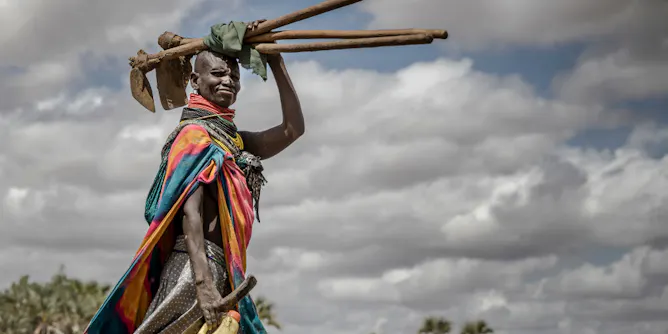
A consistent, predictable and friendly policy environment can attract private sector investments in agriculture to drive transformation.
Articles on Farming
Displaying 381 - 400 of 708 articles
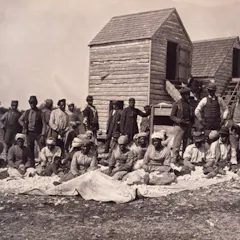
Black farmers own far less land than they did in 1910 and the racial gap in homeownership is at the highest level for 50 years.

We are too reliant on supermarkets and industrial agriculture.
When South Africa eventually emerges from the fog of the COVID-19 crisis, structural reform, including land reform, will be high on the political agenda as never before.
A decade of no grazing has demonstrated positive effects on the richness of bird species.
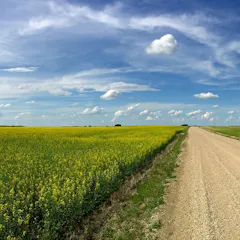
As the world’s population grows, agriculture and related industries will grow in size and importance in Canada. Smart investors should bet on Canadian farmland.

Policies should protect arable land from urban encroachment and make peri-urban households less vulnerable.
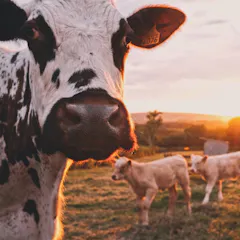
Animal suffering not only harms other species, it endangers our own. Here’s how we can do better.
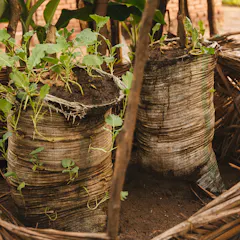
Despite their popularity, there are reasons to doubt whether “home gardens” provide a sustainable and cost-effective way of addressing hidden hunger.
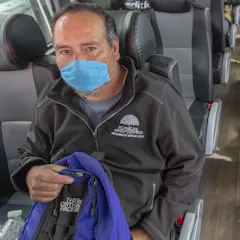
The demands of social distancing during the coronavirus pandemic will make it increasingly difficult for migrant agricultural workers to meet their basic needs.
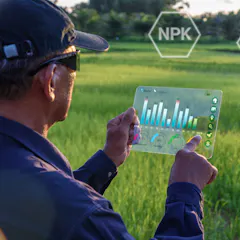
We need to challenge the simplistic assumptions that AI will automatically improve the world.

And why development funders should listen to smallholder farmers
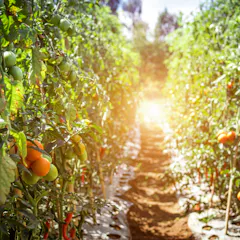
This transformation provides lessons for the rest of world, for shifting away from chemical agriculture towards a healthier system for people and the planet.
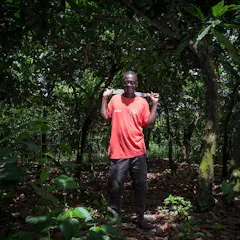
The rising demand on the world market for cocoa has put pressure on Ghana’s forests.
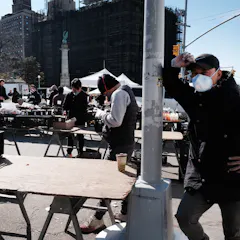
Small-scale farmers are likely to be hit hard if open-air markets close due to coronavirus fears. This could have a longer-term impact on the food supply chain.
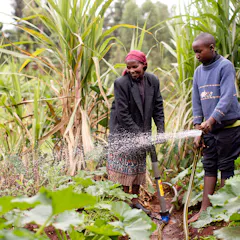
Understanding rural household aspirations and taking them seriously in development planning could offer great potential in shaping the future of rural spaces.
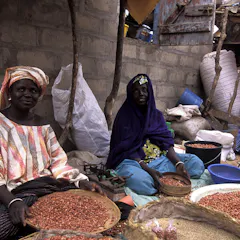
We need to understand colonial histories to understand climate risks.
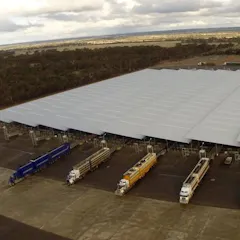
The wool industry was paralysed for several days after hackers held to ransom the IT system that governs almost all wool sales in Australia and New Zealand. More attacks are a case of if, not when.
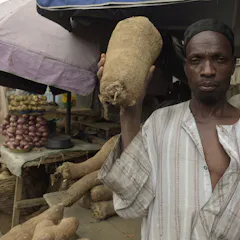
By using the simple technique of harvesting when the lower leaves begin to turn to yellow, yam farmers can determine the earliest possible time to harvest.
Making ammonia produces almost 2% of global carbon dioxide emissions.
Top contributors
-

Senior Fellow, Department of Agricultural Economics, Stellenbosch University
-
Associate Professor in Food Systems, The University of Melbourne
-
Professor in Wildlife Ecology and Conservation, School of Life & Environmental Sciences, Deakin University
-
Adjunct Associate Professor, Centre for Regional and Rural Futures, Deakin University
-
Professor, Dept of Food, Agricultural and Resource Economics, University of Guelph
-
Emeritus Professor, Poverty, Land and Agrarian Studies, University of the Western Cape
-
Adjunct Professor in Animal Welfare, Curtin University
-
John M. Thompson Chair in Information Technology and Innovation and Professor, Western University
-
Emeritus Professor of Agroecology and Food Politics, Centre for Agroecology, Water and Resilience, Coventry University
-
Research Fellow, Centre for Rural Policy Research, University of Exeter
-
Lecturer in Ecology, University of New England
-
Professor of Sustainable Development, University of Notre Dame
-
CGIAR
-
Professor, Food Economics, University of Guelph
-
Professor of Law, The University of Melbourne