
What if today’s ‘total recall’ technology is creating a memory system we do not need or benefit from?
Articles on False memory
Displaying 1 - 20 of 25 articles

Sigmund Freud originally developed the idea of repression and actually revised his definition later in life.
Neuroscientists found that music cannot only influence your emotions in the present − it can also alter how you remember your memories.
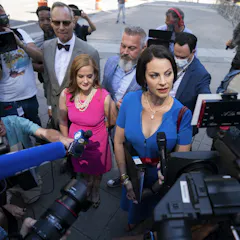
Lucia Osborne-Crowley’s intrepid trauma-informed journalism put her ahead when reporting on Ghislaine Maxwell’s trial – in terms of access to the courtroom, victims and understanding the role of memory.

Human memory doesn’t work like a video camera, simply recording a scene as it happens. But researchers know how to help children recall information accurately.

Women who experience mental anguish after violence are not ‘irrational’.
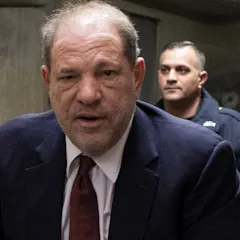
As women began to come forward with experiences of rape and abuse, backlash came forward too. The notion of ‘false memory’ developed to explain away assault. Here’s why that notion itself is untrue.
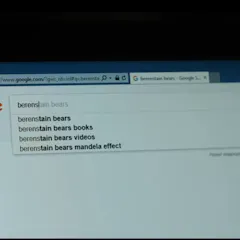
Real-life adherents to the Mandela Effect veer into conspiratorial thinking. But they do hit on an important truth: Our understanding of history is malleable.
Many psychologists claim memory is unreliable.
Why is it that some ‘fake news’ gets us remembering things that are not true? It depends on how our memory works, and there are ways we can avoid being duped.
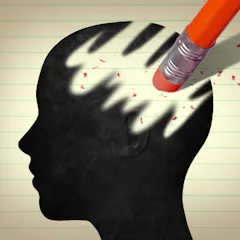
Even our most treasured memories can gradually change over time.
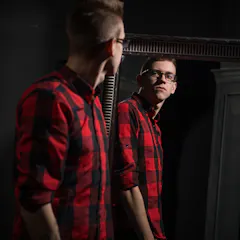
Research sheds light on how we pick and choose among distorted memories to create our identity. But is that a bad thing?
CC BY-ND43.7 MB (download)
This episode of The Anthill podcast delves into the world of memory. We talk to psychologists, historians and political scientists about how and why we remember some things and forget others.
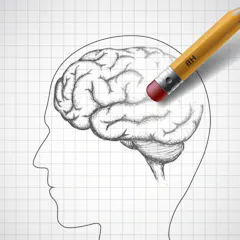
What you end up remembering isn’t always what you have witnessed.

Alternate realities don’t just exist in politics – and not all falsehoods are lies. Distortions of the truth can range from a normal part of human nature to pathological.

What’s going on in the brain when something seems familiar but we don’t know why.

The more information you have about a subject, the more likely it is that new information will trigger associated memories.

Memories help you gloss over those ugly bits with minimum fuss.

Traumatic memories recovered from the unconscious during therapy are more likely to be false memories than real.
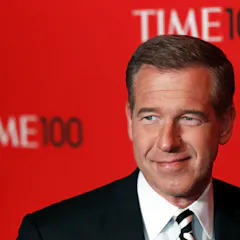
In the years after a traumatic news event, we’re prone to confuse things we saw on TV with what we witnessed in person.
Top contributors
-

Professor of Cognitive Psychology, City St George's, University of London
-
Professor of Psychology, Goldsmiths, University of London
-
Reader in Psychology, Aston University
-
Senior Lecturer in Psychology, City St George's, University of London
-
Professor of Psychology, University of Hull
-
Visiting Fellow in History, Anglia Ruskin University
-
Lecturer in International Relations, Loughborough University
-
Head of Developmental Psychobiology Lab, Deakin University
-
Emeritus Professor of Psychiatry, Lecturer on Bioethics & Humanities at SUNY Upstate Medical University; and Clinical Professor of Psychiatry, Tufts University School of Medicine; Editor-in-Chief Emeritus, Psychiatric Times., Tufts University
-
Professor of Psychology, University of Sheffield
-
Professor, School of Journalism, Media and Culture; University Dean of Research Environment and Culture, Cardiff University
-
Professor of Psychology, Iowa State University
-
Associate Professor in the Media School, Indiana University
-
Assistant Professor of Psychology, Lehigh University
-
Associate Professor of Psychology, University College Dublin