

Researchers are getting to the bottom of how poo helps newborn babies. It might sound gross, but here’s the science.
Articles on Faeces
Displaying 1 - 20 of 23 articles

Understanding how female baboons benefit from social bonds helps humans understand their own origins.
The microbes in your poo could be a gift to others. Here’s what to think about if you’re interested in donating your poo.

It’s the dirty secret of dog ownership nobody wants to talk about.
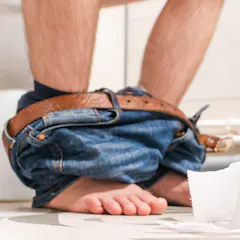
Taking note of the colour and consistency of your stools is an important way to take care of your health
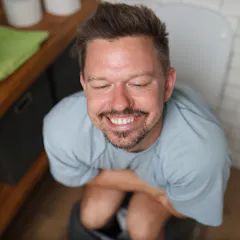
Your biology really is telling you to poo in the morning. And yes, your coffee is partly to blame.

The infection is spread by spores called oocysts in the stools of humans and animals.

Your mobile phone is 10 times dirtier than a toilet seat. Here’s what to do about it.

As well as the joy that comes with swimming, there can also be some dirty risks.
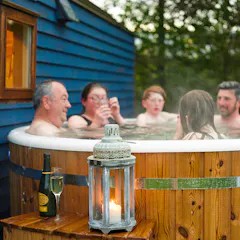
Relaxing in filth – you may never want to use a hot tub again after reading this.

Studying fossil dung offers another avenue for scientists trying to recreate ancient landscapes.
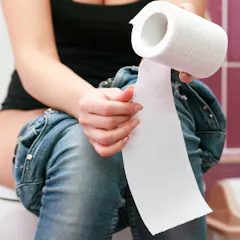
Two Australians with bipolar have been successfully treated with poo transplants, allowing them to come off, or reduce, their medications. Here’s where the science is up to.

If you believe the memes, men spend ages in the toilet. But they’re not always pooing. Here’s what they’re really doing.
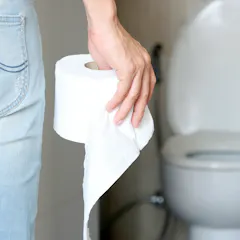
One in seven Australians report symptoms of constipation, which might include hard stools, straining to poo, or having fewer than three bowel motions a week. These four things can help.
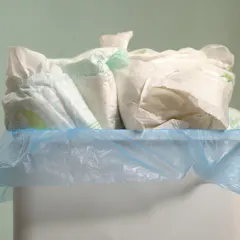
Vanuatu has banned them outright, while many Chinese families use just one every 24 hours. So why are Australians still sending millions of dirty nappies to landfill every single day?
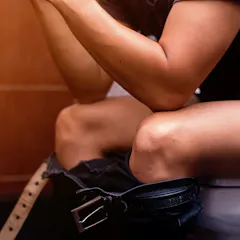
Around 75% of our faeces is made up of water. The other 25% is the good stuff, including bacteria, viruses and undigested food.
An expert explains how often you should poo and what it should look like.

New research explains that dogs may have evolved to eat faeces as a way to prevent the spread of disease.

If you want to live like a local when on holiday, you should defecate like one.

Incontinence is frighteningly common.
Top contributors
-

Associate Professor and Clinical Academic Gastroenterologist, Western Sydney University
-
Senior Lecturer in Clinical Microbiology, University of Leicester
-
Laureate Professor in Nutrition and Dietetics, University of Newcastle
-
Senior Lecturer in Marketing, University of Nottingham
-
Lecturer, Nutrition & Dietetics, Curtin University
-
Anthrozoologist, external advisor, Nottingham Trent University
-
Senior Lecturer in Global Health, The University of Western Australia
-
Senior Lecturer in Animal Science, Nottingham Trent University
-
Honorary Professor, University of Newcastle
-
Post-Doctoral Researcher, University of Newcastle
-
Research scientist, University of Hohenheim
-
Scientia Professor of Psychiatry, UNSW
-
Research Associate, African Centre for Coastal Palaeoscience, Nelson Mandela University
-
Senior Lecturer, School of Psychology and Neuroscience, University of Bristol
-
Consultant Psychiatrist and Senior Research Fellow, Deakin University