
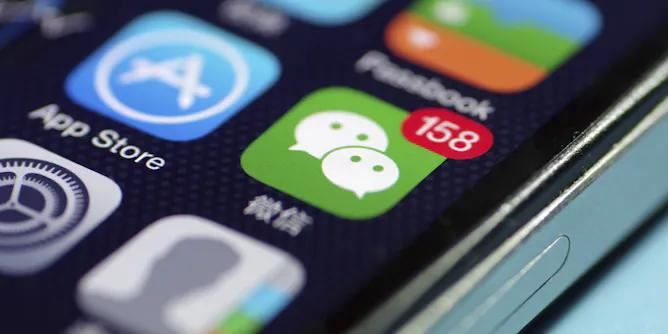
In China, a lot of news happens entirely inside the WeChat platform. Is this the future for Facebook?
Articles on Facebook
Displaying 321 - 340 of 1094 articles
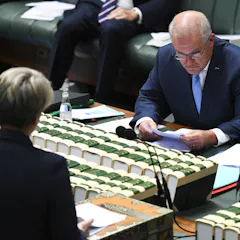
Michelle Grattan discusses the political week that was with Professor Paddy Nixon
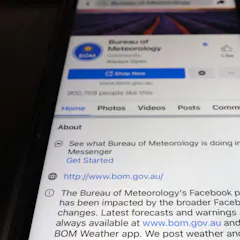
Facebook might not have been able to cut off news sites were it not for the draft code. Whatever comes out of this is unlikely to be more competition.
If you’re fed up with Facebook, there are many options to step away, from taking a deactivation break, to a digital spring clean of how the platform accesses your data, to a full divorce.

With regional news outlets long in decline, people have been increasingly turning to social media for information. Facebook’s news ban places that under threat.

From screenshots, to rival social platforms, to the old-school method of visiting a newspaper’s homepage, there are plenty of ways to get your news fix without clicking on Facebook.

Facebook’s decision to ban media organisations from posting links to news articles on the social media giant’s platform comes under a week before Australia’s COVID vaccine rollout begins.
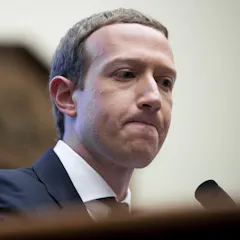
Facebook pulling the plug on Australian news will cause short-term disruption, but readers and media will recover.
What made Facebook grow big wasn’t what its targets would have been without it, it was what they were able to do with it.
It may have seemed the platforms were taking a confident stance by appealing to Australian users directly. But really, it was a delayed and panic-based reaction.
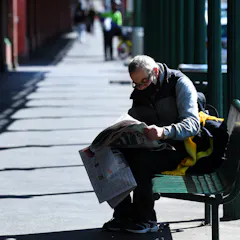
If the government wants to save the social benefit of public-interest journalism, it must look beyond the News Media and Digital Platforms Mandatory Bargaining Code.
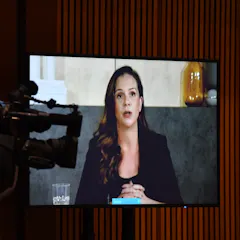
The titans of online advertising don’t want to be forced into putting a value on linking to news.

Encrypted messaging services like Telegram provide virtual dark corners where far-right extremists can recruit, organize and plan unhindered.
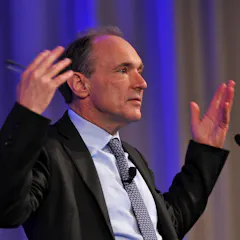
The code could require Google and Facebook to pay up for simply including links to news articles from other sites. This has never been a requirement on the web.
It’s concerning that tech executives can exercise so much power over who can use their platforms. But the alternative – government intervention – could be much worse.
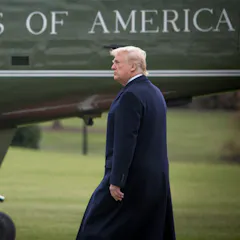
Analysis shows how Trump and Twitter spread QAnon extremism from the US to Europe, and how hard it will be to undo the damage.
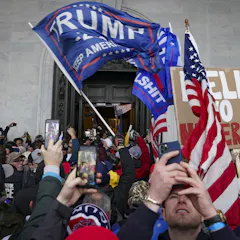
Apple, Twitter and other tech companies were able to unilaterally shut down much of Trump’s communication infrastructure. That’s a lot of power.

Prominent ‘danger’ signs are needed online to warn people about misinformation.
Social media censorship in the US fails to tackle the rising trend of ‘disinformation-for-hire’ cyber troops.

Amid increasingly sophisticated ploys online, it can be difficult to tell the difference between innocent social networking and a national security offence.
Top contributors
-

Professor of Internet Studies, Curtin University
-
Director of UWA Centre for Software Practice, The University of Western Australia
-
Senior Research Associate in Media and Communications, University of Sydney
-
Dean of Global Business, The Fletcher School, Tufts University
-
Researcher at Microsoft Research, Cambridge UK. Previously, The University of Queensland
-
Associate Professor, Faculty of Law & Justice; Lead, UNSW Public Interest Law & Tech Initiative, UNSW
-
Professor of Information Systems, Michigan State University
-
Professor of Political Communication; Director CAJ, The University of Melbourne
-
Professor, Digital Media Research Centre, Queensland University of Technology
-
Professor of Digital Communication, Director of QUT Digital Media Research Centre, Queensland University of Technology
-
Doctoral researcher investigating governance of social media platforms, Queensland University of Technology
-
Professor of Media Studies, Queensland University of Technology
-
Associate Professor in Convergent and Online Media, University of Sydney
-
Associate Professor of Digital Communication, RMIT University
-
Professorial Fellow, University of Canberra