
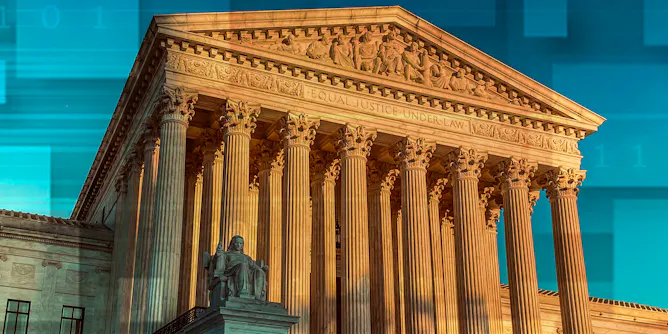
Critics are decrying the long time the Supreme Court has taken to rule in a crucial Trump case, charging that it’s politically motivated to help Trump. A scholar of the court says they’re wrong.
Articles on Executive privilege
Displaying 1 - 20 of 22 articles
The conviction and incarceration of 2 former Trump aides who refused to comply with the House Jan. 6 committee’s information requests could revive a potent tool for accountability.
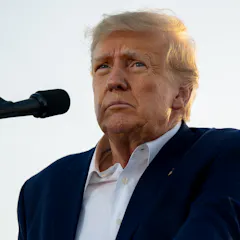
Trump’s indictment will force Americans to grapple with the exact role of presidents – and limits of their power.
Trump isn’t the first modern president with legal problems, but he would be the first former president to be indicted for alleged crimes.
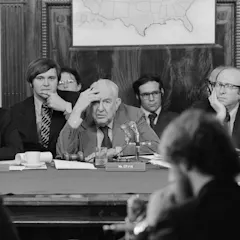
The public hearings of the House Jan. 6 investigative committee will deal with unprecedented events in American history, but the very investigation of these events has strong precedent.
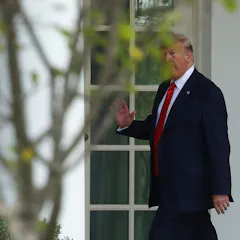
Justices have cleared the way for hundreds of Trump administration documents to be handed to a panel investigating the Jan. 6 attack. A law scholar explains what that means for executive privilege.
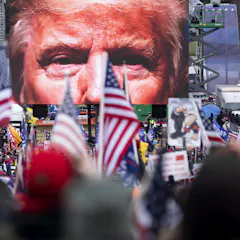
Diaries, visitor logs, handwritten notes and speech drafts are among the records Donald Trump has tried to keep from a Congressional committee investigating the Capitol riot of Jan. 6.
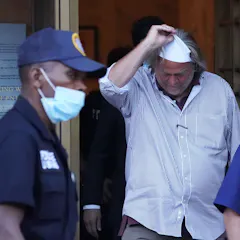
Donald Trump asked former aides not to testify before a committee investigating the Jan. 6 Capitol insurrection. The Department of Justice has now charged one over that refusal.
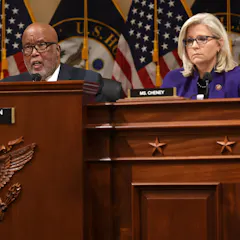
Donald Trump asked his former presidential aides not to testify before a congressional committee investigating the Jan. 6 Capitol insurrection – testing the limits of congressional oversight.
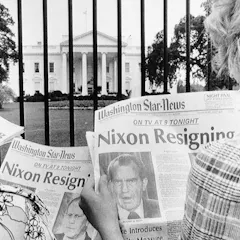
Donald Trump’s lawsuit to stop the release to Congress of potentially embarrassing or incriminating documents puts the National Archives in the middle of an old legal conflict.
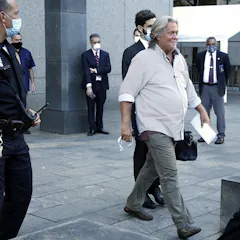
Former aides to Donald Trump have refused and delayed compliance with a subpoena issued by the Jan. 6 committee. It has set up a messy legal fight over executive privilege.

Three cases just argued in the Supreme Court have the potential to redefine the power of Congress to hold the president accountable.
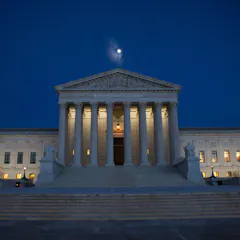
President Trump’s likely to be acquitted by the Senate in his impeachment trial. But the impeachment’s effects won’t end until lawsuits are resolved.
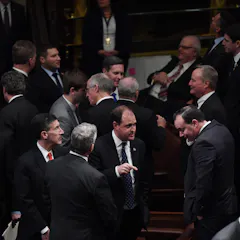
An expert on Watergate says that today’s House Republicans have taken precisely the opposite position than the GOP took in 1974 on the president’s power to withhold documents from Congress.
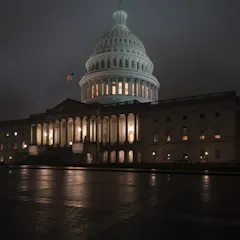
The impeachment vote is the latest, and most extreme, example of a power struggle between the executive branch and Congress that has existed since George Washington was president.
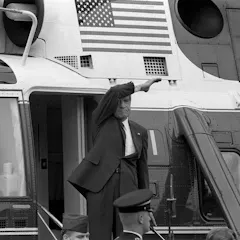
President Trump has invoked executive privilege to stymie congressional investigators. Another president, Richard Nixon, did the same thing. It helped Nixon hold onto power – but only for a while.
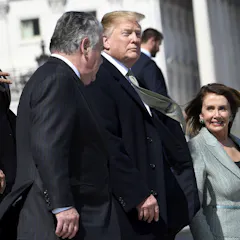
The Constitution gives Congress the power over the executive branch, which it’s free to flex.
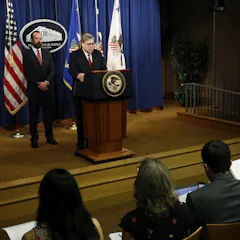
As the special counsel’s investigation of Trump turns into a partisan battle in Congress, here are four key issues to follow.
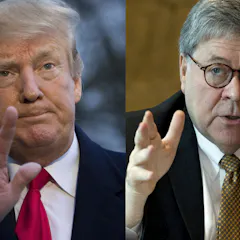
The president and attorney general can try to keep the findings of Mueller’s investigation secret. They’ll likely use both the secrecy of grand jury proceedings and executive privilege to do that.
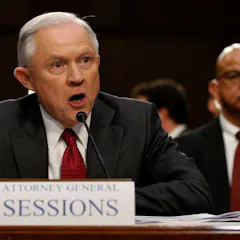
Laws that limit presidential power won’t enforce themselves – Congress must act.
Top contributors
-

Associate Professor of Law, Arizona State University
-
Professor of Law and Adjunct Professor of Political Science, Wayne State University
-
Research Specialist, the Miller Center, University of Virginia
-
Associate Professor of Instruction, The University of Texas at Austin
-
Associate Vice President for Entrepreneurship and Innovation, Clemson University
-
Distinguished Fellow in Law and Government, Dickinson Law, Penn State
-
Associate Professor of Political Science, College of Charleston
-
Professor of Law, University of South Carolina
-
Professor from Practice, University of Michigan
-
Professor of Law, University of Baltimore
-
Professor of law and ethics, Georgia State University
-
Assistant Professor of Government, American University School of Public Affairs
-
Director of the Washington Office of the Levin Center for Oversight and Democracy, Wayne State University