
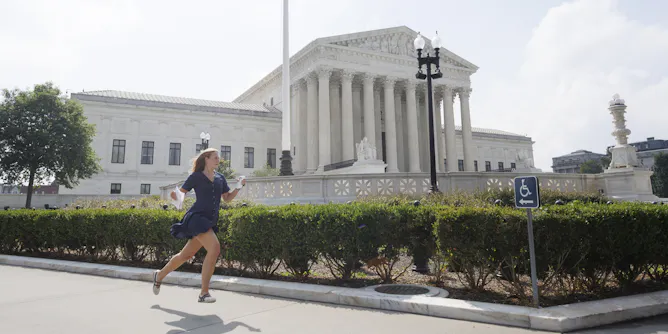
The high court’s ruling effectively endorses the unitary executive theory, greatly expanding the power of the president.
Articles on Executive power
Displaying 1 - 20 of 32 articles
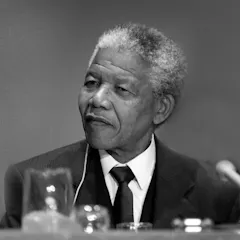
Reassessing Mandela is a reminder that even the most admired leaders operate within constraints.
The US may be experiencing democratic backsliding. Around the world, nonviolent civil movements exist to support democracy and protect fellow citizens.
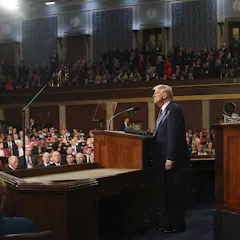
Trump has spent the first year of his second term pushing the limits of presidential power. He’s the latest in a long line of leaders who try to bypass Congress.
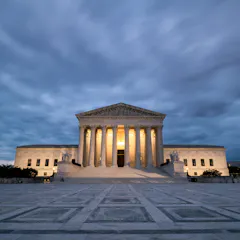
Recent rulings indicate that the high court is leaning toward expanding the type of presidential power that is more emblematic of dictatorship than democracy.
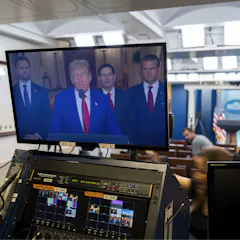
Against the backdrop of US attacks on Iranian nuclear sites, a scholar of presidential powers examines the history and current use of the laws around US military action.
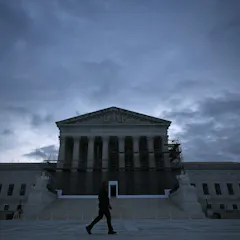
The current case focused on the deportation of Venezuelan immigrants raises concerns about whether the president will continue to respect the country’s legal system.
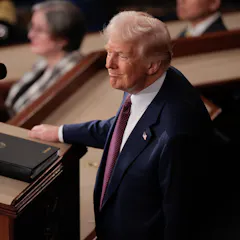
When the US Constitution was written, many people − from those who wrote the document to those on the outside who read it − believed that endowing the president with kinglike powers was dangerous.
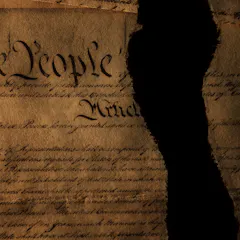
The Trump administration has asserted a new balance of power among the three formerly coequal branches of government. In its version, the president has almost kinglike powers.

The lame-duck period in the US is longer than in other Western democracies, which tend to make the transition over a period of just days.
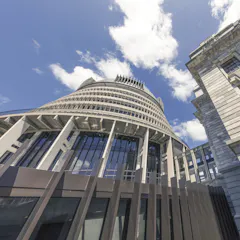
The coalition is increasingly using parliamentary urgency, cutting the public service and fast-tracking legislation – all of which risks upsetting the equilibrium between government and the governed.
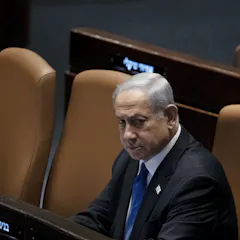
Benjamin Netanyahu has helped reshape Israel and the broader world in profound ways. And there’s a dark side to those changes.
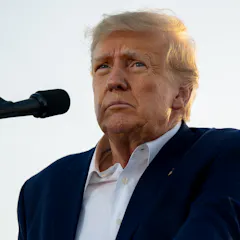
Trump’s indictment will force Americans to grapple with the exact role of presidents – and limits of their power.

Directors should avoid accepting more directorships than they can handle.

Ghana’s civil society has contributed to taming the power of a strong state.
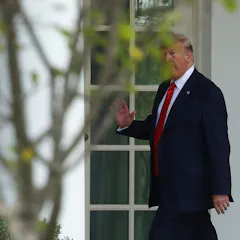
Justices have cleared the way for hundreds of Trump administration documents to be handed to a panel investigating the Jan. 6 attack. A law scholar explains what that means for executive privilege.

A new proposal also puts pressure on presidents to evaluate their foreign policy objectives more clearly to determine whether military action is, in fact, appropriate.
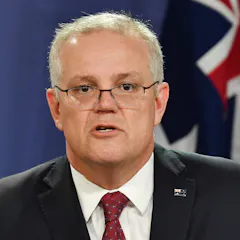
Biosecurity and public health laws have given federal and state governments enormous powers to battle coronavirus. If we’re not careful, though, some powers could remain long after the pandemic.
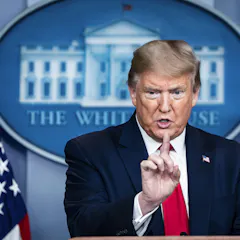
Throughout the coronavirus crisis, President Trump has made inconsistent statements about who is responsible for key aspects of the nation’s response to the pandemic. The Constitution has the answer.
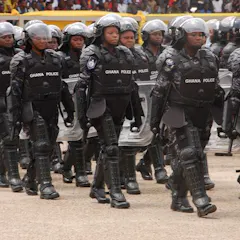
Instead of seeking to protect our health and stop the coronavirus epidemic by instituting totalitarian surveillance regimes, we should rather focus on empowering citizens.
Top contributors
-

Associate Professor of Political Science, Rochester Institute of Technology; Institute for Humane Studies
-
Associate Professor of Political Science, The Ohio State University
-
Professor of Political Science, Concordia University
-
Senior Lecturer in Human Rights, Constitutional Law and Legal Theory, University of Wollongong
-
Senior Lecturer in Law, Charles Sturt University
-
Professor, American University School of International Service
-
Assistant Professor of Government, American University School of Public Affairs
-
Professor from Practice, University of Michigan
-
Professor of Law and Adjunct Professor of Political Science, Wayne State University
-
Professor of Law and Director, Health Law Program, University of Nevada, Las Vegas
-
Associate Professor, Faculty of Law, Monash University
-
Associate Professor of Instruction, The University of Texas at Austin
-
Professor in Company Law, University of South Africa
-
Lecturer in Security, Development and Leadership in Africa, King's College London
-
Associate Professor - Department of Accounting and Corporate Governance, Macquarie University