

Many families in the US encountered empty shelves when they went in search of infant formula during COVID-19.
Articles on Exclusive breastfeeding
Displaying all articles

With the high cost of infant formula, food-insecure mothers who cannot breastfeed are struggling to feed their babies.

Prevalence of exclusive breastfeeding has increased across all countries but few are likely to meet the 2030 goal of 70%.

South Africa needs to ensure regulations on formula foods for babies are enforced.
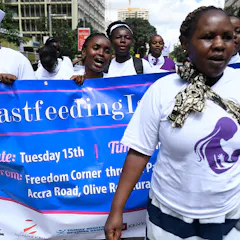
Provision of breastfeeding support and information within the community can lead to a significant increase in exclusive breastfeeding rates.

Breastfeeding support programmes need to engage more with the challenges that mothers face.
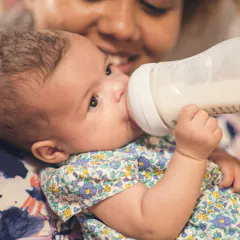
Health workers promote exclusive breastfeeding to HIV positive mothers more than they do to mothers who are negative.
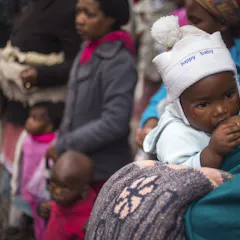
South African health authorities educate the public about breastfeeding but without supportive legislation and strong communication, it will never be normalised.

The bacteria in a mother’s breast milk are important because it helps develop a baby’s gut. Research shows this bacteria are different depending on where mothers live and what they eat.

Only 28% of working women across the globe are fully protected by maternity laws that provide for time off work with full pay.

Several indigenous child-rearing practices have helped babies develop strong immune systems to ward off allergies. These should be actively promoted.

South Africa’s programmes preventing HIV transmission from mothers to children have been hugely successful. But there are still gaps that need to be filled.
Over the last three years Kenya has seen marked improvements in its nutrition-related targets as a result of a national nutrition plan it has implemented.
Top contributors
-

Senior Research Scientist, African Population and Health Research Center
-
Lecturer, University of the Free State
-
Medical Microbiologist, University of Cape Town
-
Senior Lecturer, University of the Witwatersrand
-
Postdoctoral Research Scientist, African Population and Health Research Center
-
Associate Research Scientist, African Population and Health Research Center
-
Tier II Canada Research Chair in Food, Health, and Social Justice, Acadia University
-
Assistant Professor of Psychology, University of California, Merced
-
PhD researcher, Cornell University
-
Doctoral Student in Health Psychology, University of California, Merced
-
Director: Child & Adolescent Health at the Wits Reproductive Health and HIV Institute, University of the Witwatersrand