
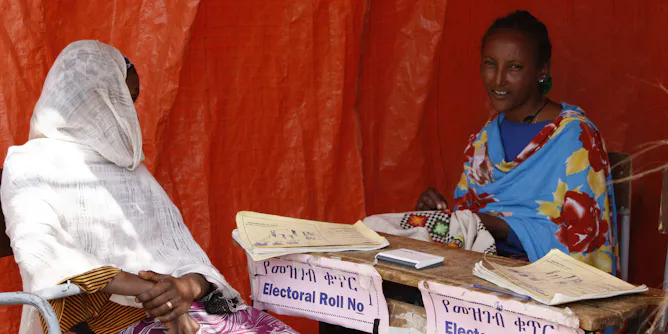
The upcoming elections are arguably among the least politically competitive Ethiopia has experienced since the introduction of multiparty elections in the 1990s.
Articles on Ethiopia elections
Displaying all articles

In parliamentary democracies, prime ministers remain in office for as long as they retain the confidence of parliament.

There is a risk of the upcoming election deepening existing regional and political fault lines instead of bridging them.
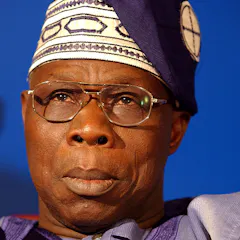
The AU’s choice of Olusegun Obasanjo as chief mediator raises even more questions about its partiality in Ethiopian conflict.
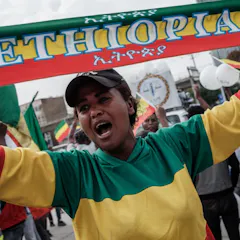
A new government with popular legitimacy will have power to address lingering political, economic and security challenges.
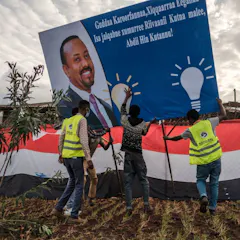
Ethiopian politicians, both opposition and incumbents, have found it difficult to undo the political culture of winning by elimination.

Ethiopian history shows that the demands of its young people can’t go unaddressed for long.

Ethiopia’s party system is extremely volatile due to the prevalence of weakly institutionalised and fragmented political parties.
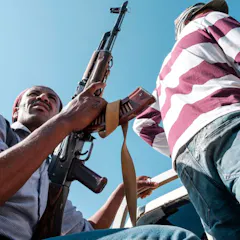
Had the national government and Tigray state government attempted to engage in intergovernmental dialogue, things might have turned out differently.
Top contributors
-

Fellow, Centre for Federalism and Governance Studies, Addis Ababa University
-
Associate Professor of Law, Addis Ababa University
-
Lecturer, University of the Witwatersrand
-
Senior Lecturer of Political Science, Georgia Gwinnett College
-
Professor, University of the Western Cape
-
Senior Fellow, World Peace Foundation, Fletcher School of Law and Diplomacy at Tufts, Tufts University
-
Visiting Lecturer, University of Roehampton
-
Professor, Center for Federal Studies, Addis Ababa University
-
Lecturer, School of Law, Hawassa University
-
Ph.D. Fellow, Center for Constitutional Democracy, Indiana University
-
Lecturer in Comparative Politics, Queen's University Belfast
-
Associate Professor of Sociology and Senior Researcher, The Nordic Africa Institute