
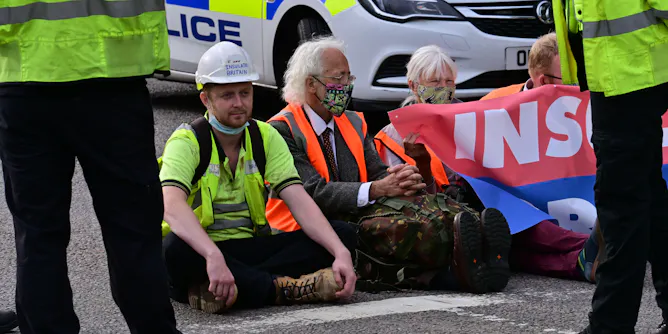
Climate activists don’t have to be popular to achieve their goals.
Articles on Environmental activism
Displaying 21 - 40 of 74 articles

Insulate Britain, a new environmental campaign group, is right to highlight the need for action on home insulation.
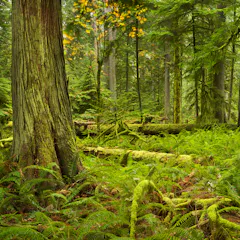
Environmental groups have protested logging of British Columbia’s old-growth rainforest for three decades. But the Fairy Creek dispute could grow into another ‘War in the Woods.’

A criminologist spoke to anti-gas pipeline activists.
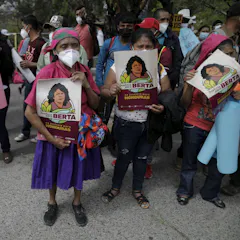
Honduras is the most dangerous country in the world for environmental activists. Those who have opposed mining, hydroelectric, logging and tourism have faced violence and death.
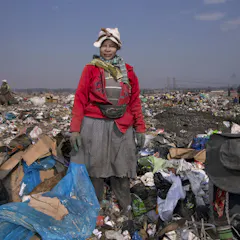
From oil disasters in Mauritius to street artists in South Africa, the story of rubbish in the media helps shape popular culture and environmental change.
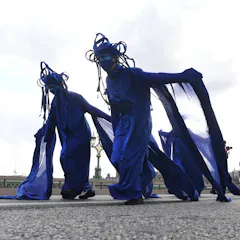
Extinction Rebellion’s ‘apolitical’ stance deprives it of allies, and leaves the movement vulnerable to co-option.
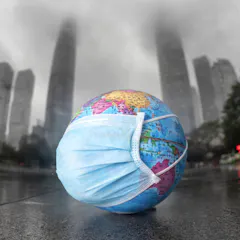
Thousands of Americans took part in the first Earth Day 50 years ago. What has changed since then?

The problems of climate change are not only problems of science and technology. They are also moral, ethical and spiritual problems about how we live our lives.
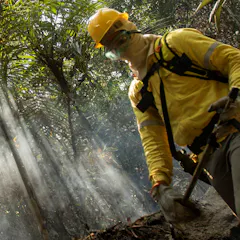
You didn’t cause the fires, but you can help prevent them spreading.

Doctors have long taken up global issues, from nuclear war to ozone depletion and climate change, and helped shift the course of history.
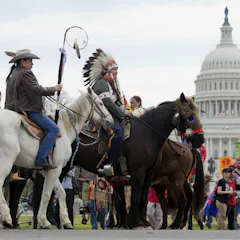
By appealing to the hearts and minds of their white neighbors, Native Americans are carving out common ground. Together, these different groups are building unity through diversity.

Banksy’s ‘boy in falling snow/pollution’ is part of a worldwide movement of artistic activism against environmental problems and climate change.
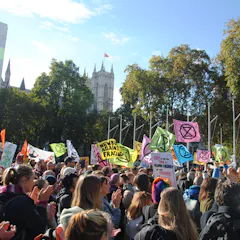
The movement to kickstart a radical transformation of our society has begun. For the sake of our children – and their children – it must succeed.
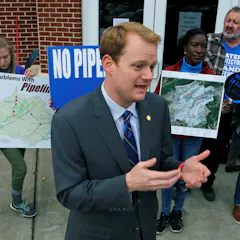
Whether they aim to stop pipelines in Virginia or block Pacific Northwest export terminals, organizers are trying to ‘keep it in the ground’ to save the climate.

Facts will only get you so far when it comes to climate change. To get conservatives on side, climate communicators must focus on the values conservatives hold dear, such as preserving the status quo.

New global communities of concerned citizens can help protect iconic places such as the Great Barrier Reef. But the scope of these remote communities must extend beyond mere ‘slacktivism’.
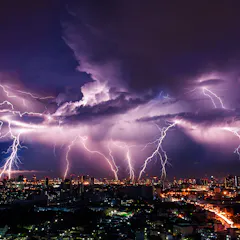
What if extreme weather events could be attributed to human-induced climate change with confidence?
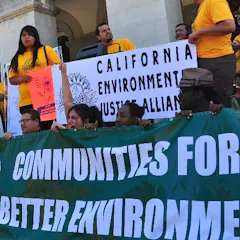
How could green groups attract more diverse volunteers? Maybe they could put more time and energy into outreach toward the people most affected by environmental injustices.
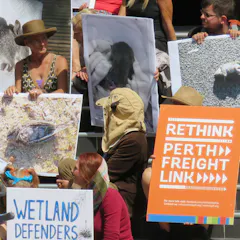
Campaigners in Perth are fighting the destruction of bushland for a new highway. They have two of three historically important factors on their side.
Top contributors
-

Former Visiting Fellow, SPRU, University of Sussex Business School, University of Sussex
-
Senior lecturer, St Petersburg State University
-
Researcher, The University of Queensland
-
Reader in Political Sociology, Aston University
-
Co-Director Human Rights Consortium, Institute of Commonwealth Studies, School of Advanced Study, University of London
-
Senior Lecturer in International Public and Social Policy, University of Bristol
-
Reader in Cultural Geography and Communication, University of Westminster
-
Professor of International Relations, The University of Queensland
-
Lecturer in Sustainability, University of Manchester
-
Chair of Art in the Environment, University of the Arts London
-
Professor of Public Ethics, Charles Sturt University
-
Professor of Law, University of Tromsø
-
Distinguished Research Professor and Australian Laureate, James Cook University
-
Dean (Academic) Arts, Education and Law, Griffith University
-
Associate Professor, Adelaide Law School, Adelaide University