
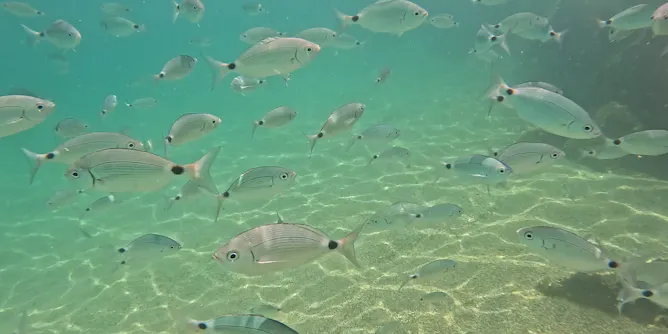
The Mediterranean is one of the world’s most vulnerable ecosystems. A scientific study on shifting distribution dynamics examines how its fish species contend with sea warming.
Articles on Environment
Displaying 201 - 220 of 1884 articles
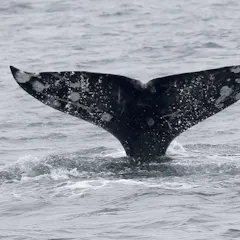
In the past, the gray whale population recovered fairly quickly. But data on baby whales show that isn’t happening, and a new study finds an alarmingly high mortality rate.
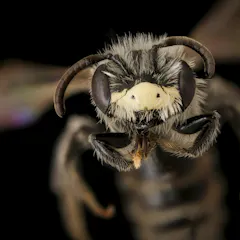
The accusations you might have heard about nonnative honey bees aren’t backed up by evidence. In fact, there are plenty of ways bees make the world a better place.
Media reports have suggested a “super” El Niño is looming. The problem is, these autumn forecasts are notoriously unreliable.
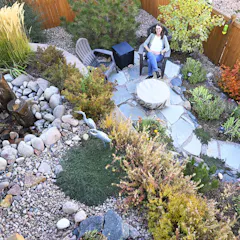
Cities have the best chance of reducing water use when people actively participate in water conservation, but even that might not be enough in the future.
The Strait of Hormuz bottleneck may be about to reopen – but damage to oil infrastructure will mean lingering pain in Australia – and worldwide.

Over summer, several big jellyfish blooms were sighted in southern Australian waters. What might be behind these swarms?
The government’s response to the fuel crisis has been to reassure us normality will resume. Amid global uncertainty, that’s not enough.
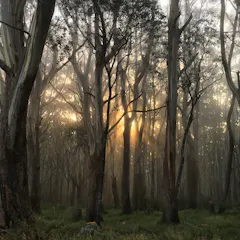
One of the most widespread types of forest in Australia’s high country is facing an existential threat. We need bold action before it is too late.
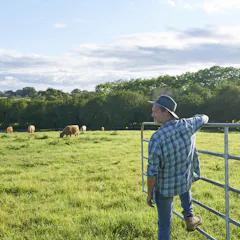
Nature and agriculture are often at odds. But an Australian study suggests farmers who plant more trees are better off – financially and environmentally.
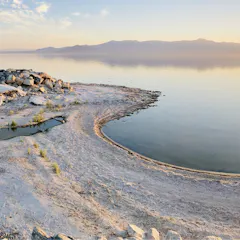
A new study reveals how the lake bed’s toxic dust impairs lung development in children living nearby.

There’s been a surge of interest in EVs as the oil crisis hits – and secondhand EVs are especially in demand

Without adequate fertiliser, crops such as wheat and barley produce lower yields with lower protein content.
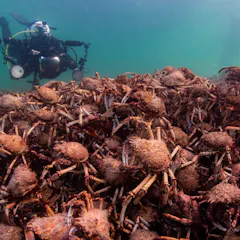
Citizen science relies on people like you. Here are five projects where science lives beyond the lab.
After almost 60 years, scientists have been able to prove an influential theory that wet eucalypt forest regrowth is more fire prone.
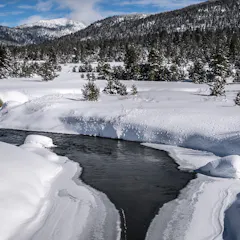
Streamflows the West relies on for drinking water and farms used to follow a fairly predictable arc as winter snow melted. Rising temperatures are changing that.
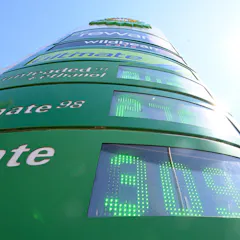
Australia isn’t about to run out of fuel. But disruptions caused by tightening supply are cascading. It’s time to plan to reduce dependence on foreign fuel.
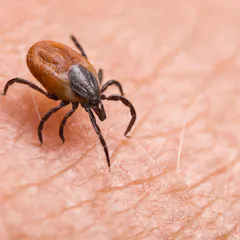
A University of Pittsburgh researcher is studying why Pennsylvania residents who regularly encounter ticks still underestimate their risk of Lyme disease.
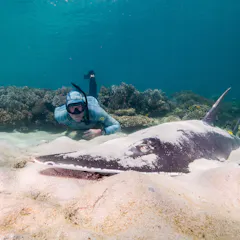
Citizens have contributed to science in Australia for many decades – and the field is now undergoing rapid growth
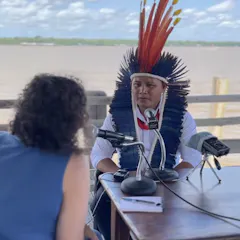
The podcast was created in partnership with UFPA to showcase what scientists in Brazil and Australia are doing to mitigate the impacts of climate change
Top contributors
-

Professor in Wildlife Ecology and Conservation, School of Life & Environmental Sciences, Deakin University
-
Professor of Transport Technology and Sustainability, Swinburne University of Technology
-
ARC Future Fellow and Associate Professor in Climate Science, ARC Centre of Excellence for 21st Century Weather, The University of Melbourne
-
Senior Fellow in Energy and Climate Change, Grattan Institute
-
Research Associate, Institute for Climate Risk and Response, UNSW
-
Adjunct Professor of Environmental Geography, CQUniversity Australia
-
Distinguished Professor of Ecology, Fenner School of Environment and Society, Australian National University
-
Professor of Law, Deakin University
-
Professor in Conservation Science, School of the Environment, The University of Queensland
-
Professor, School of Economics, The University of Queensland
-
Professor of Conservation Biology, Charles Darwin University
-
University Fellow in Biodiversity, Charles Darwin University
-
Postdoctoral Research Fellow in Conservation and Wildlife Management, University of Sydney
-
Senior Research Associate, School of Agriculture, Food and Ecosystem Sciences, The University of Melbourne
-
Professor of Law, The University of Melbourne