
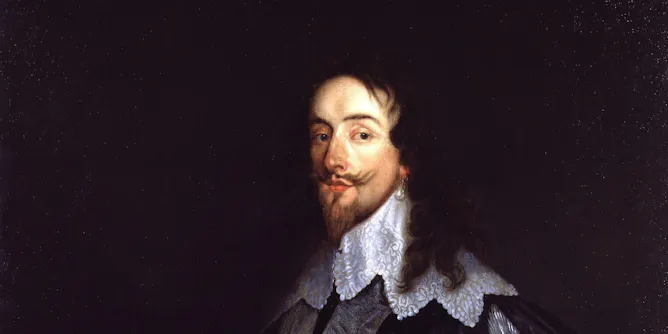
King Charles III has been praised for keeping it simple by choosing to reign under his own name. But the royal name of Charles comes with some heavy historical baggage.
Articles on English Civil War
Displaying all articles
Eighteenth-century Quakers attempted to align their religious beliefs with what they purchased. These Quakers led some of the early campaigns against sugar being produced by enslaved people.
Puritans were often depicted as fools until they had a shot at government, and then the humour got darker.
Puritan leaders argued vehemently for a church to be free of any higher authority – which caused problems in England and the new world.
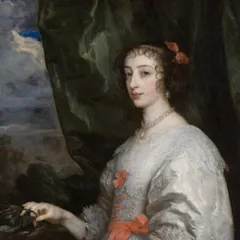
Recipe sharing is all the rage in the pandemic as in other times of turmoil. English cookbooks of the 16th and 17th centuries promised recipes for comfort with a dash of glamour.
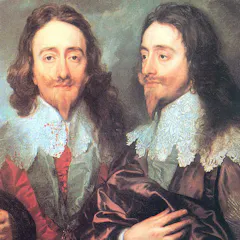
John Major was right – it didn’t end well for the 17th-century king, who ignored parliament and lost his head.
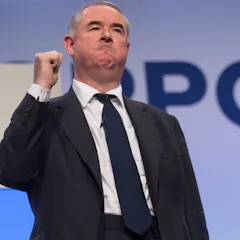
Milton’s famous defence of free speech, Areopagitica, was a strange choice for the attorney general.
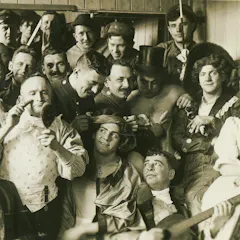
Many thousands of Germans got through internment by performing farces, dressing up as women and clapping along to the can-can.
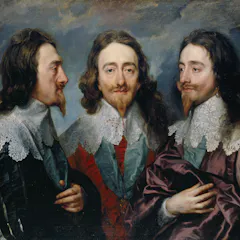
Charles I’s belief that art was a way of projecting power bankrupted England and alienated his people. The rest is history.
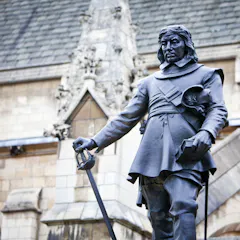
He strapped on a sword aged 43 – and changed British history.
Top contributors
-

PhD Candidate in Early Modern Art and Literature, Queen Mary University of London
-
Professor of Early Modern History, Nottingham Trent University
-
Senior Lecturer, School of Literature, Drama and Creative Writing, University of East Anglia
-
Lecturer in Twentieth Century Literature and Culture, Edinburgh Napier University
-
Senior Lecturer in Early Modern History, University of Portsmouth
-
Professor of Early Modern English Literature, Western University
-
Reader in Early Modern History, University of East Anglia
-
Professor of Museum Studies, Baylor University
-
Associate Professor in Humanities, University of Southern Queensland
-
Teaching Fellow in History, University of Warwick