

Puritans and Pilgrims came out of the same religious culture of 1570s England. Pilgrims hosted the first American Thanksgiving, and Puritans arrived later.
Articles on Puritans
Displaying all articles

Librarians are defending the rights of readers and writers in the battle raging across the US over censorship, book challenges and book bans. That conflict has even changed how librarians are trained.

Gratitude and praise are not only some of the most common themes in Christian music, but also some of the oldest.
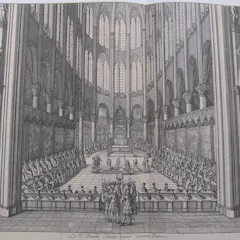
The Pilgrims who started the first Thanksgiving tradition after they landed in Plymouth were following the customs they had grown up with, originating in medieval times.
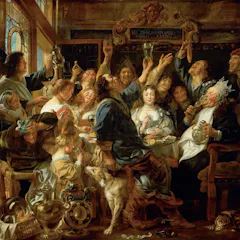
We tend to romanticise the Christmas season, that time of year when we gather with friends and family, feast and be merry. But for most of its history Christmas has been a time of sordid behaviour.
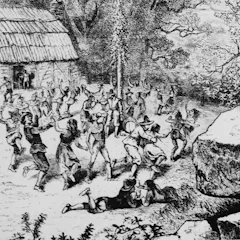
The Puritans had little tolerance for those who didn’t conform to their vision of the world.
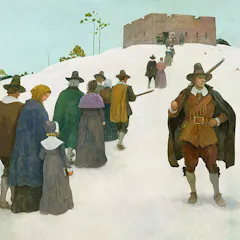
It was less about their asceticism and more about rejecting the world they had fled.
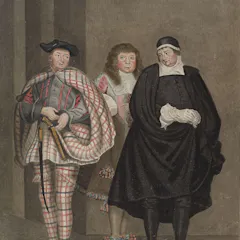
Puritans were often depicted as fools until they had a shot at government, and then the humour got darker.
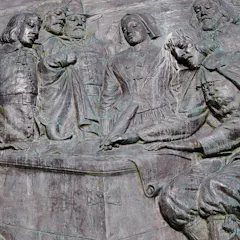
Puritan leaders argued vehemently for a church to be free of any higher authority – which caused problems in England and the new world.
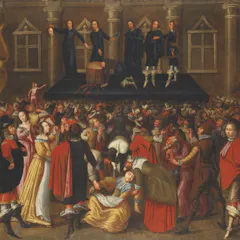
The polarisation of today’s political discourse has echoes of the intolerance that characterised the Puritan era and the French Revolution.

When the founders wrote the Constitution, they had to devise a punishment fitting for a civil servant’s impeachment. One possible punishment: banishment from the community.
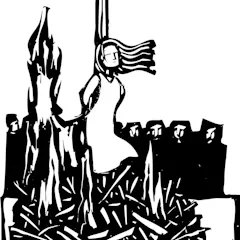
Powerful men often proclaim baseless accusations to be a ‘witch hunt.’ But American witch trials have always targeted a persecuted minority: women.

Many American evangelicals believe that the establishment and protection of Israel set up a chain of event for the return of Jesus. What were the origins of this narrative?

Media pundits are promoting Canada as exceptional in its tolerance and diversity but the truth is, Canadians have a tendency not to be not less racist than Americans, but to be less loud about it.
Top contributors
-

Distinguished Professor and Professor of the Humanities, USC Dornsife College of Letters, Arts and Sciences
-
Journalist, University of Virginia
-
Baker Endowed Chair and Professor of Library and Information Science, University of South Carolina
-
Professor Emerita of Religious Studies, College of the Holy Cross
-
Reader in Early Modern History, University of East Anglia
-
Senior Lecturer in Early Modern History, University of Portsmouth
-
Lecturer in Studies in Western Religious Traditions, The University of Queensland
-
Professor of Religious Studies, Michigan State University
-
Professor of English, UMass Lowell
-
Visiting Fellow at the Institute of Intellectual History, University of St Andrews
-
Professor of Modern History, University of St Andrews
-
Professor of Religious Studies, University of North Florida
-
Professor of History, Miami University