

When nations resist compelling reasons to shift from one form of energy to another they can fall behind for an entire generation or more.
Articles on Energy transition
Displaying 261 - 280 of 291 articles
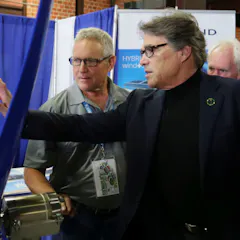
There are some good explanations for the mismatch between regional support for climate action and the areas where renewable energy is making the biggest inroads.

A big spill in Michigan’s Straits of Mackinac could have devastating consequences. But does replacing the pipeline running beneath it make sense in a warming world?

Rapid environmental decline is a major threat, yet education is not mobilised to empower children. Fortunately, many initiatives explore how to make students actors of the ecological transition.
The latest UN climate report makes it clear that the task of limiting climate change is urgent and huge. We must start to transform our economy today, but it will bring rewards as well as challenges.

A new law provides flexibility in terms of how the state can meet this new target for the electricity it consumes.

Digitalisation and better energy storage are reshaping the electricity market.
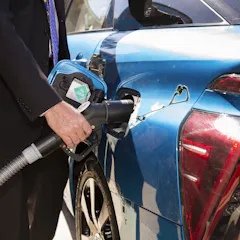
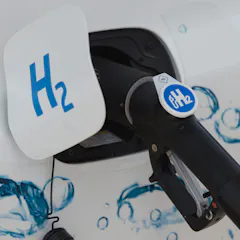
The hydrogen economy has been touted for decades as a way to navigate the clean energy transition. Now a new CSIRO roadmap sets out how hydrogen power can become a major energy player.
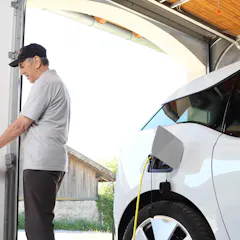
As EVs make more inroads, giving tenants somewhere to plug in their cars could become a selling point.
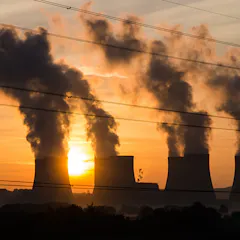
Australia needs to accelerate its transition to clean energy, and not prolong the use of high-polluting, coal-fired infrastructure. Otherwise it risks missing out on an economic windfall.
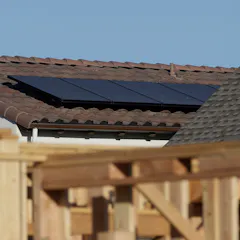
Environmentalists and climate hawks are cheering, but many experts aren’t excited about the state making rooftop solar panels mandatory on most new homes beginning in 2020.
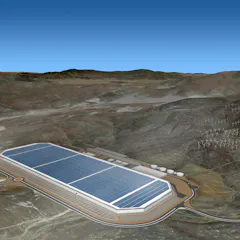
Will the renewable energy transition end up creating yet more greenhouse emissions, as we ramp up the manufacture of wind turbines and solar cells? Not if their manufacture is itself powered by renewables.
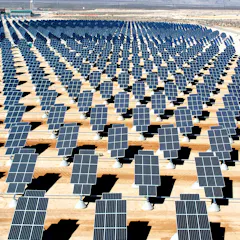
Solar photovoltaics and wind power are on track to supplant fossil-fuel-based electricity generation by the 2030s. The only thing holding back the renewable revolution is politics.
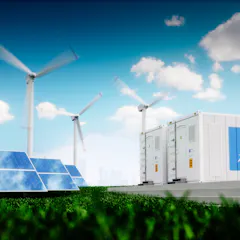
Saving power to use later lets consumers, businesses and utilities generate energy when it’s cheap and deliver it when they need it most. There’s not much of it today, but the industry is growing fast.

Solar windows would need to trap enough light to generate power, while letting through enough to keep buildings light. Thankfully, newly developed semitransparent cells offer to do just that.
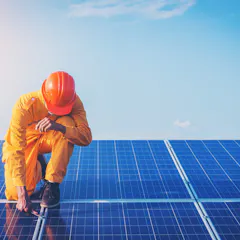
The Trump administration can boost domestic solar panel manufacturing without slapping duties on all imports.
New modelling suggests that Australia could use renewable energy to hit its 2030 emissions reduction targets, without it costing any more overall than maintaining the status quo.
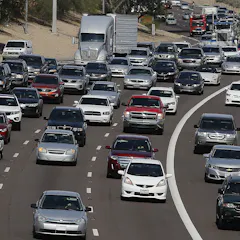
What if the world really got serious about meeting global climate goals? Doing the math on current emissions and the pace of energy transitions shows how quickly fossil fuels need to be phased out.
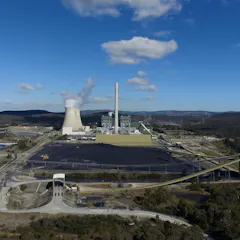
The National Energy Guarantee proposal seems geared towards locking in the status quo rather than driving the much-needed energy transition.
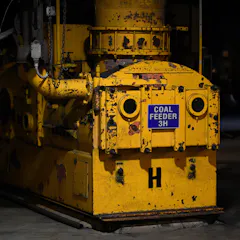
By rebranding coal as ‘dispatchable’, the government’s National Energy Guarantee looks set to preserve demand for coal-fired power by giving it a new role – one it’s not well equipped to fulfil.
Top contributors
-

Professor of Engineering, Australian National University
-
Senior Fellow in Energy and Climate Change, Grattan Institute
-
Professor, Crawford School of Public Policy and Director, Centre for Climate and Energy Policy, Australian National University
-
Research Principal, Institute for Sustainable Futures, University of Technology Sydney
-
Professor of Law, Deakin University
-
Canada Research Chair in Urban Planning for Climate Change, Associate Professor of Geography and Civil Engineering, University of Victoria
-
Professor of Economics, University of Pretoria
-
Professor, School of Economics, The University of Queensland
-
Professor and Director, Victoria Energy Policy Centre, Victoria University
-
Professorial Fellow, University of Canberra
-
Professor of Transport Technology and Sustainability, Swinburne University of Technology
-
Research Fellow, ANU College of Engineering and Computer Science, Australian National University
-
Professor of Public Policy, Crawford School of Public Policy, Australian National University
-
Senior Research Associate, Renewable Energy & Energy Systems Analyst, UNSW
-
Professor of Energy and Environmental Economics and International Affairs, Penn State