
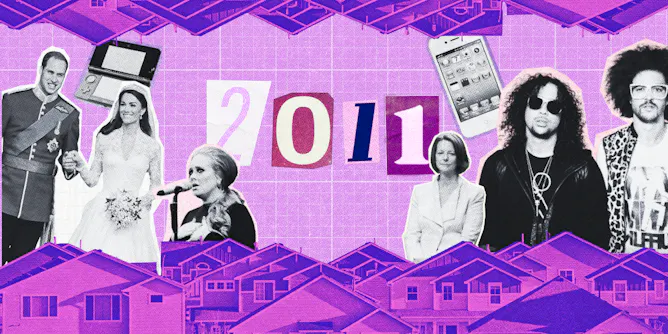
Australian households are taking on much bigger mortgages than they were 15 years ago. And our incomes haven’t kept up, either.
Articles on Energy costs
Displaying 1 - 20 of 36 articles
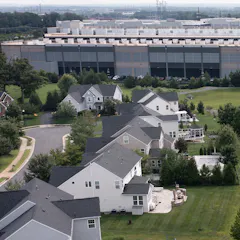
The people of northern Virginia have been living with data centers for many years. But even they are resisting new developments. And they have specific wishes for how to regulate them.

Keeping aging coal plants open, building new gas plants and choices about pollution controls affect electricity bills. Pollution adds health costs and climate damage that may not appear on those bills.

Research suggests relationships are key to ensuring home energy upgrade programs work.

Energy is meant to improve people’s lives. Often cost prevents residents from making the most of that opportunity, so they cut back on energy use to be able to pay the bills.
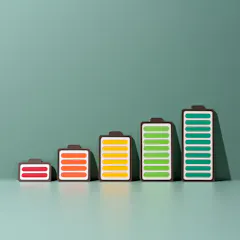
Four experts explain why the design of your home matters more than the size of your home battery.
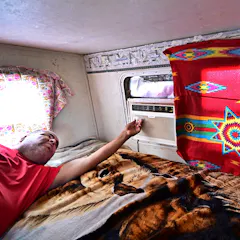
There is no single thermostat setting that is right for every person or every home. And there are other easy, low-cost steps that can help keep everyone comfortable when hot weather sets in.
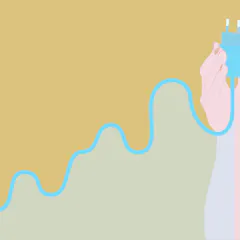
There are opportunities at every level of the US energy market to save consumers money – if governments, companies, communities and individuals choose to act.
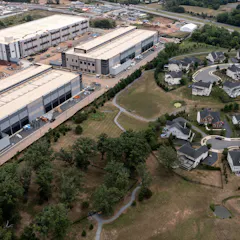
Even as they create and enable expansive virtual worlds, data centers are physical buildings in real communities around the nation and the globe.
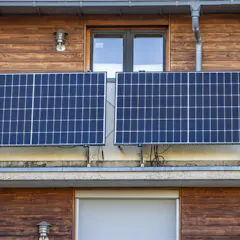
Plug-in solar panels could soon be on sale in UK, but there’s some steps the government still needs to take.
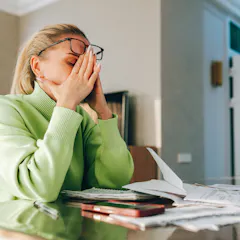
Households once confident they could afford energy costs are at risk of falling behind on their bills and are making hard trade-offs to keep the lights on.
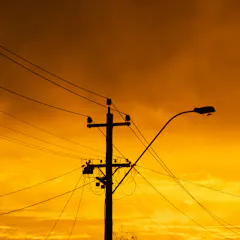
Australia’s energy system favours households with wealth, secure housing and flexibility – leaving millions exposed as heatwaves intensify.
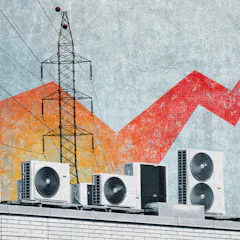
Energy projects are expensive and take a long time to build. Where to build them is often also a difficult, even controversial, question.

More than 12 million US households keep their homes either too cold or too hot, sacrificing comfort because they can’t afford to pay their energy bills.

Nearly a quarter of US households struggle to pay their energy bills at the same time as America’s social safety nets, including home heat aid, are disappearing.

The problem of high energy prices and rising numbers of people unable to afford them isn’t lost on the Trump administration.

Anthony Albanese offers homeowners a discount on solar batteries in latest cost-of-living election promise.
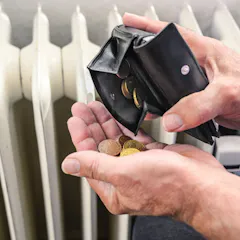
Increasing energy costs pose a challenge for everyone, but the impact is most pronounced for those living in deprived areas.
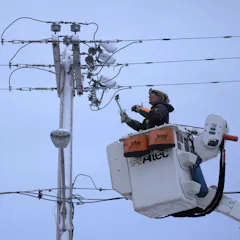
Power companies can be publicly or privately owned and may report to corporate boards, local governments or co-op members. But there’s no one best way to deliver electricity reliably and affordably.

People who switch from gas to reverse-cycle air conditioning to heat their homes still want to feel comfortable. Some don’t. Home electrification programs must tackle the causes of the problem.
Top contributors
-

Professor of Law and Energy Policy, University of Pennsylvania
-
Postdoctoral Researcher in Geography, University of South Carolina
-
Professor of Behaviour & Social Change, University of Technology Sydney
-
Associate Professor of Economic Geography, University of South Carolina
-
Alex Hills Career Development Associate Professor of Engineering and Public Policy, Civil and Environmental Engineering, Carnegie Mellon University
-
Assistant Professor of Human Geography, University of Tennessee
-
Senior Lecturer, Department of Economics, Macquarie University
-
Senior Industry Fellow, Environment and Planning, RMIT University
-
Research Fellow in Economics, University of Leeds
-
Associate Professor, Department of Actuarial Studies and Business Analytics, Macquarie University
-
Research Fellow at Australian Centre for Culture, Environment, Society and Space, University of Wollongong
-
Professor of Geography, University of Wollongong
-
Professor of Environmental Mathematics, Adelaide University
-
Post-Doctoral Fellow and Polycrisis Lead, Cascade Institute, Royal Roads University and University of Waterloo, University of Waterloo
-
Director, Nottingham Institute of Education, Nottingham Trent University