

South Africa is producing an oversupply of graduates in fields that don’t support economic growth.
Articles on Employment
Displaying 301 - 320 of 802 articles
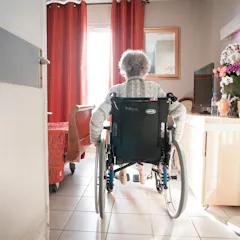
Nursing homes have struggled through COVID-19 deaths and lockdowns. Giving nurses more quality time with patients can help them win back trust.

A review of some cases offers a window into why very few civil sexual harassment claims make it to trial.
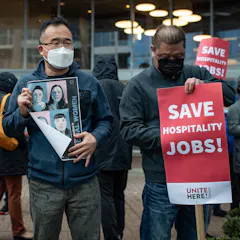
Those who have been laid off during the COVID-19 pandemic have experienced a loss of control. Here’s how some of them dealt with it.
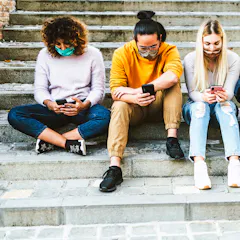
A year of working from home has become normalised for many jobs. We’re now learning a great deal about its effects on the workforce and our lives.

Working 95-hour weeks are the result of a culture that has melded two obsessions: top employers and gratifying the self.
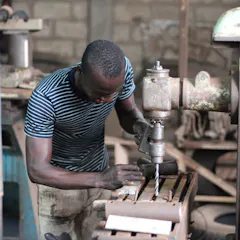
Ghana’s early lockdown strategy impacted an already vulnerable working class.

Despite repeated pledges to improve diversity, data and industry testimony shows that there are fewer people from minority backgrounds getting jobs in the film and TV industries.
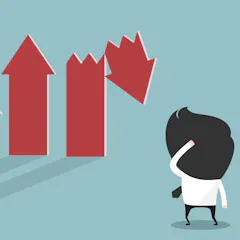
It’s important to get the figures right to know if we are truely out of any recession, or if we need further stimulus to help get more people into work.
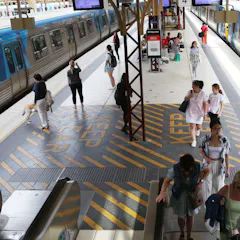
The government has released the latest Tax Office breakdown of the numbers coming off the program, amid concerns its end in late March will see a rise in unemployment.

With the COVID-19 pandemic making inequalities worse, has the time come to make sure all interns are paid?
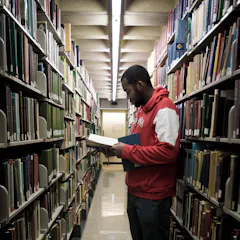
Graduate programs can be rich in scholarship and still prepare students for real-world careers.
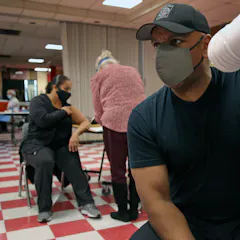
New guidelines take a broad definition of who can apply for a religious exemption to vaccinations. A lot will hinge on what constitutes ‘undue hardship’ to the employer.
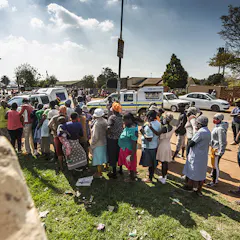
South Africa’s economic recovery plan must focus on at least three areas: protecting vulnerable populations, supporting the vulnerable sectors and external trade diversification.
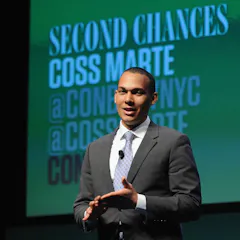
Nearly half of formerly incarcerated Americans remain jobless for at least a year. But there are some creative solutions to this problem.
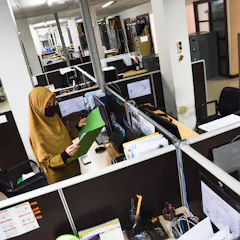
Female office workers have faced a growing burden during the pandemic.
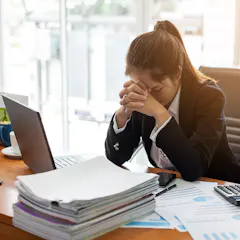
Job cuts don’t necessarily mean there’s less work to do. Those who are are employed may be working harder than usual to pick up the slack, with less reward for their efforts — and it’s not good for their health.

The most commonly requested, and rejected, reasonable adjustment is now widespread in many organisations. But does working from home really remove barriers for disabled people?

2020 has been the greatest ever global experiment in working from home. The pandemic will be the catalyst the flexible work discussion really needed.
Hiring ex-offenders is good for business, and good for society.
Top contributors
-

Professor of Economics and Political Economy, University of Leeds
-
Professor of Economics, The University of Melbourne
-
Professorial Fellow, University of Canberra
-
Professor of Economics, University of Nebraska Omaha
-
Laurie Carmichael Distinguished Research Fellow at the Centre for Future Work, Melbourne; and Professor Emeritus, Griffith Business School, Griffith University
-
Associate Professor, Bankwest Curtin Economics Centre, Curtin University
-
Professor of Economics, University of Canberra
-
Professor of Law, University of Oregon
-
Professor of Employment Relations & HR Management, University of Birmingham
-
Dean of Business School, University of Southern Queensland
-
Professor of Work and Employment, University of Southampton
-
Director of the King's Global Institute for Women's Leadership, Professor of Work and Employment, King's College London
-
Scientia Professor of Economics, UNSW
-
Visiting Fellow, Crawford School of Public Policy, Australian National University
-
Adjunct Senior Lecturer, Applied Ethics and CyberSecurity, Griffith University