

Schadenfreude seems to arise out of envy and a sense of justice. But some psychologists believe a darker impulse is at play.
Articles on Emotion
Displaying 41 - 60 of 70 articles

A video aimed at presenting the facts about Brexit repeats some of the same mistakes Remain supporters made before the 2016 referendum.

Therapy works. But success has little to do with your therapist’s experience, gender, graduate degree, or even the school of therapy they practise.

There’s a good reason to seek out a hug. Research shows having a hug can help you deal better with any disagreements or arguments you encounter in life.

Famously feminized by the Nazis – and later used in prison cells to limit aggression in inmates – the color pink toes a shaky line between social psychology and gender stereotyping.

Childhood adversity is linked to social and mental health problems later in life. New research suggests brains that aren’t as good at recognizing rewards and responding to change may be to blame.

Missing a meal can certainly push you toward a bad mood. But new research identifies in what kind of situations hunger is most likely to tip toward hanger.

Let’s get emotional about science. Not just to celebrate it, but because that’s how to do it properly.

Social isolation is linked to higher blood pressure, lower cognitive abilities and even increased chances of premature death.

For non-fans, listening to death metal is a negative experience. But research has found the music has the opposite effect on fans, giving rise to positive experiences such as power, joy and peace.

Empathy in children can be fostered. Researchers offer three strategies for parents and other caregivers to promote a climate of empathy in the home or classroom.

The psychologist proposes reason as a solution to all our problems, but telling people they must do something can backfire.
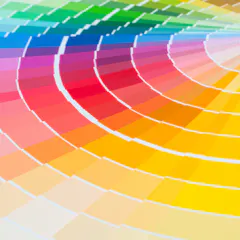
It has long been known that colour and emotion are linked – so could colour could be used as a language to express how we feel?
Pavlov’s drooling dogs hold the key to understanding many of our most important emotional experiences – as well as the overt actions we take to adapt to a world fraught with daunting challenges.
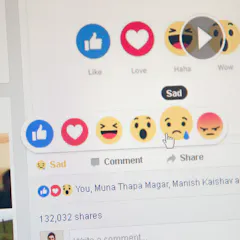
Advertisers want to know how you feel online through a process known as sentiment analysis, but it still has its limitations.

Emotional restraint in public life has a lot going for it.
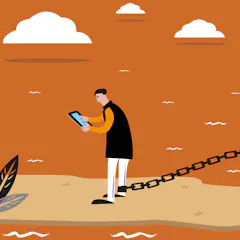
Some have said that technology could lead to ‘a new ice age’ of social isolation. Not so fast, says the author of a new book about shyness.

Swearing has often been associated with a lack of intelligence, but studies show that it could be a cleverer use of language than we thought.

Many decry ‘superteams’ like the NBA’s Golden State Warriors as bad for the sport. But psychology research shows that they also make us more likely to watch – and bask in the joy of seeing them fail.

Watching sport is more than just an entertaining experience. As the 2016 Olympic Games again highlighted, it can enrich and improve our lives in many more complex ways.
Top contributors
-

Cornelia H. Dudley Professor of Psychology, Knox College
-
Wellcome Trust Medical Humanities Research Fellow, Queen Mary University of London
-
Professor of Metaphysics , Durham University
-
Professor of English and Cultural History, Liverpool John Moores University
-
Professor of War and History, University of Sussex
-
Assistant Professor of Psychology, California State University, Los Angeles
-
ARC DECRA Fellow, School of Psychology, The University of Queensland
-
Associate Professor in Clinical Psychology and Neuropsychology, Trinity College Dublin
-
Lecturer of Business Law, University of Leeds
-
Ph.D. Student in Psychology and Neuroscience, University of North Carolina at Chapel Hill
-
Professor of Experimental Psychology, University of Iowa
-
Associate Provost & Vice President, American Public University System
-
Associate Professor in Clinical Psychology, The University of Queensland
-
Lecturer in Museum Studies, University of Leicester
-
Assistant Professor of Interior Design, Iowa State University