
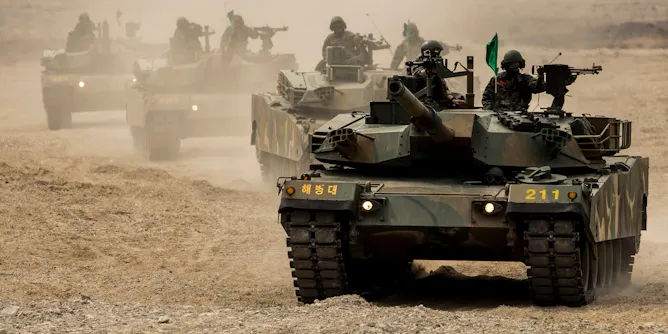
Wars are now unfolding in the shadow of climate breakdown.
Articles on Emissions
Displaying 41 - 60 of 404 articles

Acid rain and metals from power plants, vehicles and industries reached remote mountain lakes for years. Evidence from those lakes today shows the success of the Clean Air Act.

In Canada, heat produced by data centres, grocery stores, laundromats, restaurants, sewage systems and hockey arenas could be captured and turned into energy.
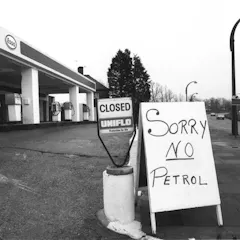
If oil prices rise and stay elevated, consumers will seek better options. Could it accelerate the shift to electric vehicles?
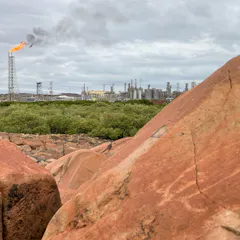
Two legal challenges threaten to overturn the decision to extend the North West Shelf gas project. A legal expert considers their prospects.
Without accounting for land use, Australia’s emissions have only decreased 3% since 2005 – not the 27% cut you might have heard.

The world seems to have avoided truly catastrophic climate scenarios, and global emissions may be about to peak. But we’re by no means out of danger
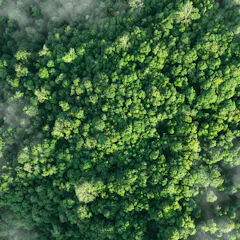
Australia has long relied on super-cheap carbon credit, despite well-established concerns about their integrity.

Airbus, Saab, Dassault and others are part of an initiative involving ‘coopetition’, a practice that can help firms tackle complex challenges like sustainability.
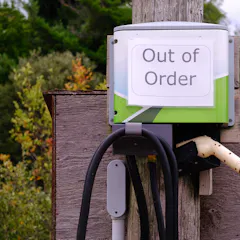
Hybrid and plug-in hybrid vehicles now outsell battery-electric in Australia. One reason? Drivers don’t feel confident in the public charger network.
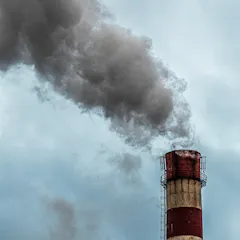
The low submission rate undermines the global commitment to climate action.
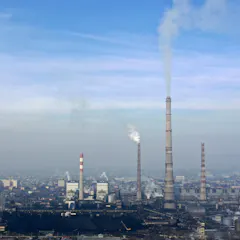
The climate pledges that countries submit to the UN may or may not detail policy and regulatory measures, making it difficult for researchers.
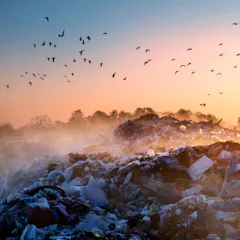
Cover landfills and manure tanks and shrink dairy herds, for a start.
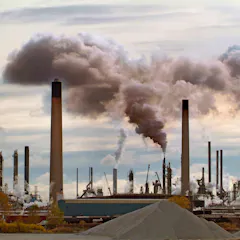
Between 2000 and 2020, only one-third of environmental enforcement actions were actually brought against the biggest corporate offenders.
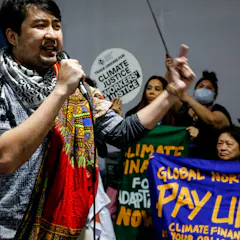
Reducing emissions, removing greenhouse gases, repairing ecosystems and building resilience are the four R’s that can save the planet.
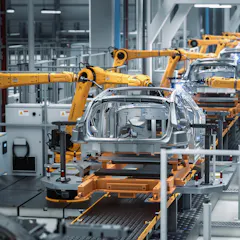
By ‘reshoring’ key industries, the EU can reduce emissions, strengthen supply chains, and mitigate geopolitical risks.

Understanding travellers’ willingness to pay for green travel could help airlines find ways to reduce the environmental impact of their industry.
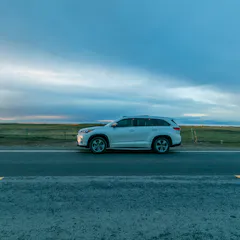
Emissions from city drivers have largely fallen, while emissions from rural and regional drivers have risen.
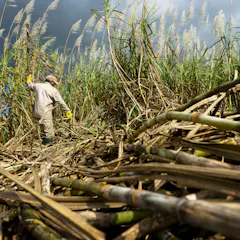
Burning sugarcane trash is common in South Africa. With support small-scale sugarcane farmers could turn this plant waste into bioenergy.

The industry has a reputation for pollution and waste, but it has psychological effects as well.
Top contributors
-

Professorial Fellow, University of Canberra
-
Chief Research Scientist, CSIRO Environment; Executive Director, Global Carbon Project, CSIRO
-
Senior Research Fellow and Associate Professor, Melbourne Climate Futures initiative, The University of Melbourne
-
Professor, Crawford School of Public Policy and Director, Centre for Climate and Energy Policy, Australian National University
-
Senior Lecturer, Griffith Business School, Griffith University
-
Adjunct professor, UNSW
-
Climateworks Centre CEO, Monash University
-
Professor of Transport Technology and Sustainability, Swinburne University of Technology
-
Senior Industry Fellow, Environment and Planning, RMIT University
-
Professor of Engineering, Australian National University
-
Professor of Law, Deakin University
-
Associate Professor in Property, Construction and Project Management, RMIT University
-
Honorary Fellow, The University of Melbourne
-
Senior Research Associate, Renewable Energy & Energy Systems Analyst, UNSW
-
Professor, School of Economics, The University of Queensland