

As the government urges households to prepare for emergencies, the NHS faces a harder question: does it have the capacity to cope when the next crisis hits?
Articles on Emergency preparedness
Displaying all articles
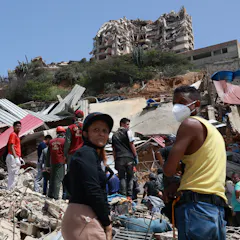
Two physicians discuss the ongoing earthquake relief efforts in their home country of Venezuela and explain what the healthcare system was like before the disaster.
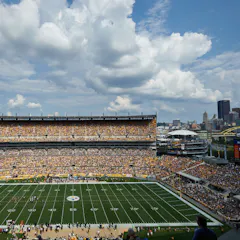
Significant public resources are spent on staffing, overtime, EMS staging, traffic control and interagency coordination that are integral to a successful event.
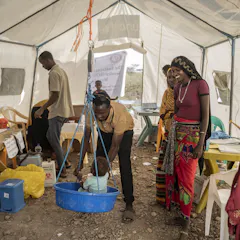
There are lessons for other African countries in how Ethiopia built its health emergency response teams.

As climate-related disasters grow more frequent and intense, one group remains dangerously underprepared: older adults. Planning should involve the entire family.
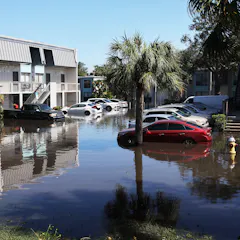
If you live in a flood-prone area, especially near the ocean, it’s important to know the risks if your EV is flooded. Or your golf cart, e-bike or other device with lithium-ion batteries.

Should Trump be re-elected, the CDC will likely exist on a smaller budget with a reduced role internationally. Lessons from COVID-19 show this will increase Canadian vulnerabilities.
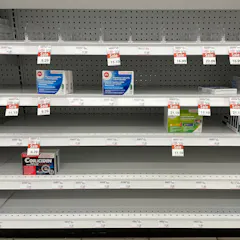
Contingency planning for a potential conflict shouldn’t cause a national panic. Australia needs a ‘first 90 days’ plan to ensure we’d survive until supply lines could be reestablished.

Being caught up in an emergency like a bushfire can make breastfeeding more challenging – but there are ways to continue.

If an alert from the federal government popped up on your phone, did you notice it? Did you know who it was from? Did you trust it?

As extreme weather events increase in frequency and severity, many Canadians are still unaware of how to prepare for a natural disaster.

Parents and emergency responders repeatedly said evacuation centres should have a separate space for families with very young children. Here’s what else we could do.

All event organizers should be prepared for emergencies and have a communication plan.
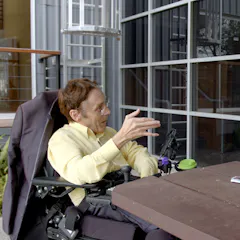
Disability-inclusive disaster planning means people get support matched to their needs, frees up emergency services and makes emergency managers’ jobs easier. It boosts disaster resilience for everyone.
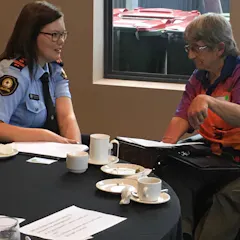
One interviewee told us: ‘It would’ve been lovely if somebody had cared.’
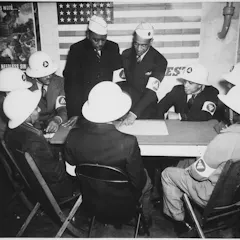
Since the Cold War, Americans have shifted from engaging in active self-rescue to passively waiting for help from a centralized, bureaucratic federal emergency response.
Top contributors
-

Clinical lecturer, Rural Clinical School, Australian National University
-
Adjunct Professor, School of Nursing and Midwifery, Western Sydney University
-
Associate Professor, University of Sydney
-
Professor of Urban and Regional Planning, University at Buffalo
-
Associate Professor of Media Studies, University of Virginia
-
Research Fellow, University of Sydney School of Public Health, University of Sydney
-
PhD candidate, Sydney School of Public Health, University of Sydney
-
Assistant Professor, Disaster and Emergency Management, York University, Canada
-
Research Assistant, Partners for Action, University of Waterloo
-
Professor of Architecture and Design, Alfred State College of Technology, The State University of New York
-
Professor, Faculty of Kinesiology and Recreation Management, University of Manitoba
-
Professor, Faculty of Kinesiology and Recreation Management, University of Manitoba
-
Lecturer and expert Associate, National Security College, Australian National University
-
Scholarly Director of the MacEachen Institute for Public Policy and Governance, Dalhousie University
-
Associate Professor of Mechanical Engineering, University of South Carolina