

The Māori Health Authority is gone, but a law remains that puts primary focus on reducing health inequities – meaning the government may struggle to bridge the gap between rhetoric and policy priority.
Articles on Emergency departments
Displaying 21 - 40 of 56 articles

The current triple epidemic of respiratory viruses is affecting all age groups, prompting comparisons with the pre-COVID-19 era.

Undertreated pain can result in unnecessary suffering and a greater likelihood of long-term chronic pain.

The rate of suicide attempts in children and adolescents increased by 22 per cent during the pandemic compared to before the pandemic.
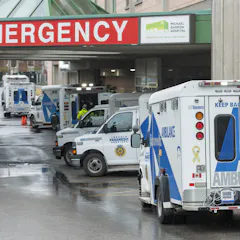
Ambulance response times have not always met targets, but the alarming new pinch point in our health-care system is that there are no ambulances at all available to respond to calls.
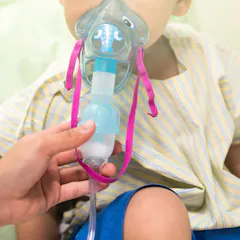
As visits to emergency departments surge — and in some cases overwhelm hospitals — here are answers to frequently asked questions about Respiratory syncytial virus (RSV).

Innovation in primary care for COPD patients has the potential to alleviate a significant strain on the health system by reducing emergency department visits and hospitalizations.

A strong primary care system keeps patients away from emergency departments and helps patients self-manage illnesses. But Ontario’s plan to ease pressure on emergency rooms ignores family medicine.
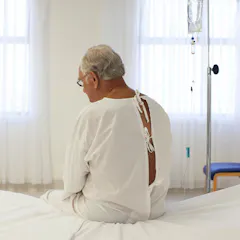
Delirium doesn’t just harm vulnerable seniors. It prolongs hospital stays, ties up beds and clogs emergency rooms. Mandating senior-friendly hospital care protects patients and the health-care system.

Adding more beds won’t fix emergency department pressures. Neither will one-size-fits-all processes. But improving patient flow and addressing staff shortages might.

Almost half of patients have poor understanding of their emergency department visit. Being aware of how the emergency department works can give patients the tools to have a smoother experience.
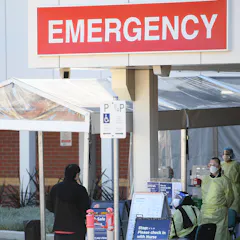
If you feel like you’re having a medical emergency then you should still go to hospital. Expect longer waits and extra precautions.

The COVID pandemic has increased the strain on an already troubled mental health system in South Australia. Now, the state’s outgoing mental health boss is calling for accountability and change.

Comparing presentations to Victorian hospital emergency departments in May 2020 to those in May 2019 reveals some important differences.
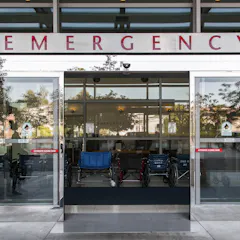
In a well-functioning health care system, the emergency room would be able to meet the needs of all of its patients in a timely manner.

We’re likely to see more ‘fever clinics’ opening as coronavirus transmission takes hold in the community. But what are they? And do you need a fever to attend one?

Running, jumping, tackling, not to mention handling the ball, means Aussie Rules players risk injuries to their hands and wrists serious enough to send them to the emergency department.

A safe home, a working fridge and access to transport are all needed before western medicine has a chance of working in the long term. But a new way of providing care can help.

It’s all very well having rights. But what do these rights really mean when you’re with your GP, in hospital or in a nursing home?

Australians are waiting too long for elective surgery, dental care and treatment for mental health. It’s no wonder health is a vote-changer.
Top contributors
-

Professor of Health Economics, Flinders University
-
Professor and Director, Macquarie University Centre for the Health Economy, Macquarie University
-
Emeritus Professor, School of Public Health, Queensland University of Technology
-
Professor, School of Epidemiology and Public Health, L’Université d’Ottawa/University of Ottawa
-
Head, Discipline of General Practice, University of Tasmania
-
Reader in Primary Health Care, University of Bristol
-
Associate Professor of Medicine, Professor of Health System Innovation, Division of Respiratory Medicine, Western University
-
SHARP Professor, Vitalities Lab, Centre for Social Research in Health and Social Policy Centre, and the ARC Centre of Excellence for Automated Decision-Making and Society, UNSW
-
PhD in Management (concentration in Health Systems), L’Université d’Ottawa/University of Ottawa
-
Professor of Health Sciences, RMIT University
-
Early Career Development Fellow in Addiction Medicine, University of Sydney
-
Adjunct Lecturer (Clinical), Medicine, James Cook University
-
Research Fellow, Health Economics, University of Tasmania
-
Associate Professor and Director, Psychological Services, College of Medicine,, University of Florida
-
Honorary Enterprise Professor, School of Population and Global Health, and Department of General Practice and Primary Care, The University of Melbourne