
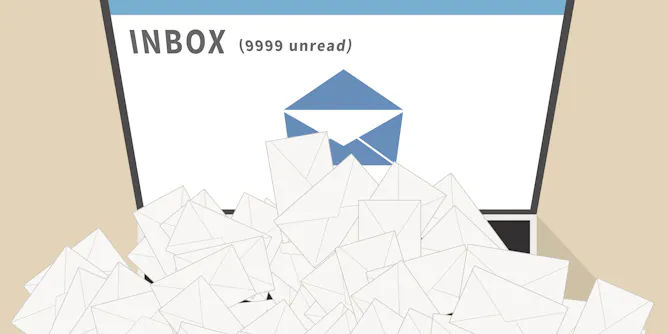
Several colleges and universities instruct students on how to navigate email communication on their campus, but more could consider the practice.
Articles on Emails
Displaying all articles
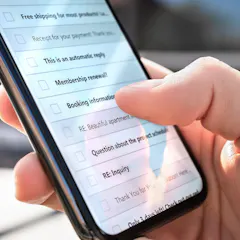
Managing our electronic records is a big task. But using a few simple tips to turn your inbox into a to-do list can save a lot of problems down the line.
One of the first ‘spam’ messages on record was sent in 1854.
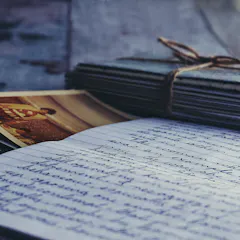
Edwina Preston pays tribute to the humble letter: from literary love letters to philosophical lessons to cherished family heirlooms. Letters impart lessons, reveal character – and are a form of art.

Our work is often so closely tied to our sense of who we are, many of us struggle to switch off on holidays. But it’s never too late to hide the laptop.
South Africa’s law that regulates the Interception of communications is being challenged on the basis it can be abused by rogue elements in intelligence.
Top tips to improve your email use based on academic research into email best practice, productivity and stress.
People should be a bit more careful when signing off their emails and text messages. Not everyone wants a kiss.
As a part of human interaction, emails are as nuanced and complex as the social world we find them, and it is unlikely that we can rely on a checklist of quick-fix rules.
Daily newsletters are winning media organisations new readers.
Despite years of public information efforts, even simple cyberattacks still succeed. Here are five steps to avoiding having your emails appear on WikiLeaks.
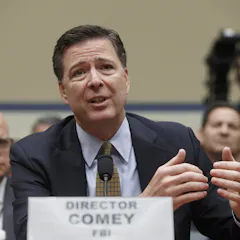
A historian and biographer of J. Edgar Hoover answers questions on how FBI director James Comey is handling a position with a dark past.
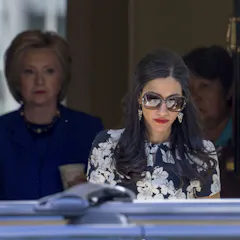
Huma Abedin’s emails belong to her; the search warrant should be served upon her. Once that happens, she can challenge the warrant’s legality.
The FBI has a history of abusing search warrants to illegally read Americans’ emails. Did the agency just do it again, in the highest of all high-profile situations?
We don’t expect our own government to hack our email – but it’s happening, in secret, and if current court cases go badly, we may never know how often.
An academic who used to hold top secret security clearance explains how things get classified and why the Clinton email scandal is hard to nail down.
Fibbers beware: experts have developed a new digital lie detector.

Email has been around for many decades and its death has been predicted many times. Love it or hate it, we still need it for communication at work and in our private lives.
WikiLeaks has begun publishing five million emails from the US-based security firm Stratfor that allegedly expose its “web of informers, pay-off structure, payment-laundering techniques and psychological…
Top contributors
-

Professor of law and ethics, Georgia State University
-
Lecturer in Communication Management, The University of Queensland
-
Professor of History, Yale University
-
Compton Professor at the Miller Center and the Corcoran Department of History, University of Virginia
-
-
Visting Research Fellow, ANU, Australian National University
-
Associate Professor of Media and Communication, Swinburne University of Technology
-
Associate Professor in Marketing, University of Surrey
-
Professor of the Practice of Political Science and International Relations, USC Dornsife College of Letters, Arts and Sciences
-
Professor of Persuasive Language and Storytelling, SKEMA Business School
-
Senior Research Fellow - The Swinburne Institute for Social Research, Swinburne University of Technology
-
Senior Lecturer in Politics and International Relations, University of Notre Dame Australia
-
University at Buffalo
-
Professor of Digital Society, University of Glasgow
-
Professor of Organisational Psychology and Health, University of Manchester