
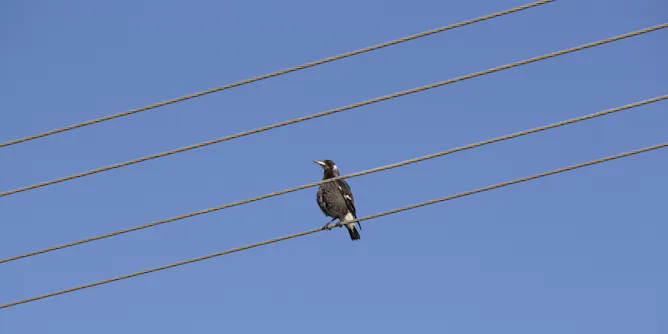
Fossil fuel advocates claim only coal and gas can deliver cheap and reliable energy, and renewables are synonymous with sustainability. But demand management can solve all three problems.
Articles on Electricity prices
Displaying 81 - 100 of 146 articles
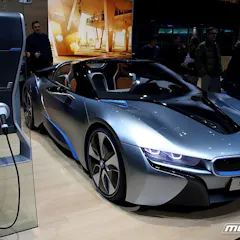
Falling costs and better infrastructure are making the transition easier for drivers.
The goals are clear: clean, cheap, reliable energy. But no-one can agree how we get there.

Liberal MP Craig Kelly said businesses and households in Australia are paying twice as much as Americans for their electricity. Is that true?
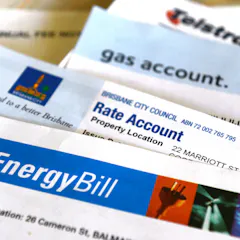
Electricity bills are set to rise further for households. But it’s just because power stations are closing.
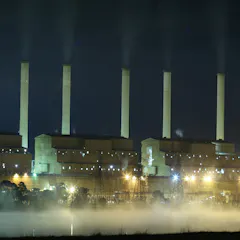
The potential shutdown of Victoria’s Hazelwood power station could leave a large gap in coal-fired baseload generation. But other coal power stations have plenty of spare capacity to fill the gap.
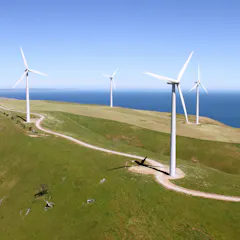
South Australia’s electricity price shock in July showed that Australia hasn’t worked out how to put large amounts of wind energy into the grid.
The electricity market that covers most of Australia is designed to have periods of high prices, to attract new generators. But there may be better ways to encourage electricity investment.
What are the key policy challenges facing the new Turnbull government in terms of economic growth and budgets, cities, transport, energy, school education, higher education and health?
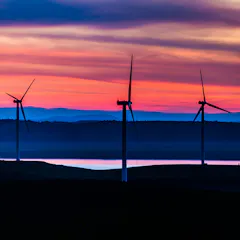
There’s a wealth of climate policies to choose from this election – but what will they do electricity prices?
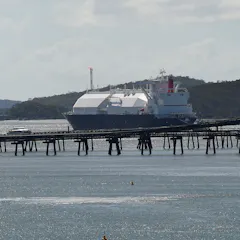
Over the past year Australia’s greenhouse gas emissions from electricity rose 2.7%.
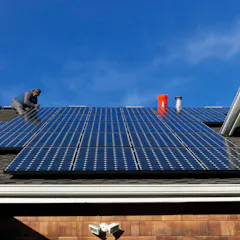
When will residential solar be cheaper than the cost of power from the grid? This point of ‘grid parity’ is a moving target but moving closer in a number of places.
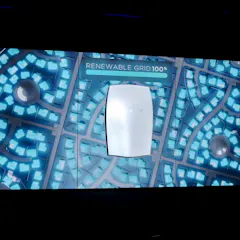
The ‘early adopters’ of home battery storage will pay significantly more than those who come later, but it won’t be long until prices drop enough for many more to get on board.
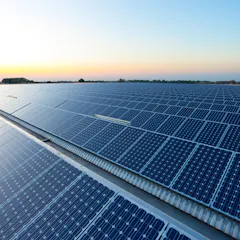
By 2030 renewable energy sources such as solar and wind will cost a similar amount to fossils fuels such as coal and gas, thanks to falling technology costs
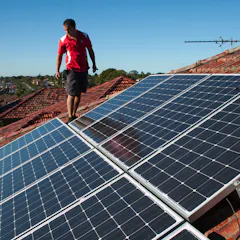
Victoria’s solar will soon get a mere 5 cents for power they send to the grid. But is that a fair price?
In June this year, forecasts revealed residential and business demand has risen for the first time in five years. The trend could be here to stay, according to a report released today from the Australia Institute.
The South African Reserve Bank is a fine example of clear communication of the decision whether to hold, increase, or decrease interest rates. It also gives clear signals of future decisions.
The federal government’s keenly awaited Energy White Paper is firmly focused on cutting prices and red tape, and boosting industry competitiveness - and less so on climate change and renewable energy.
Consumers must play a role in reducing their electricity bills, the government says.

Electricity privatisations have been like golden geese, providing A$37 billion to Australian state governments since 1992. But the price for NSW’s privatisation risks being undercut by two key events.
Top contributors
-

Senior Research Associate, Renewable Energy & Energy Systems Analyst, UNSW
-
Senior Fellow in Energy and Climate Change, Grattan Institute
-
Professor and Director, Victoria Energy Policy Centre, Victoria University
-
Senior Industry Fellow, Environment and Planning, RMIT University
-
Professorial Fellow, University of Canberra
-
Professor, Discipline of Political Economy, University of Sydney
-
Honorary Associate Professor, Centre for Climate Economics and Policy, Australian National University
-
Energy Fellow, Grattan Institute
-
Professor of Law, Deakin University
-
Ariel Liebman Director, Monash Energy Institute and Professor of Sustainable Energy Systems, Faculty of Information Technology, Monash University
-
Research Program Leader, Monash Sustainability Institute, Monash University
-
Assoc Prof. Renewable Energy, Monash University
-
Director of Energy Studies, University of Florida
-
Associate Professor of Economics, Griffith University
-
Research Fellow, Curtin University