
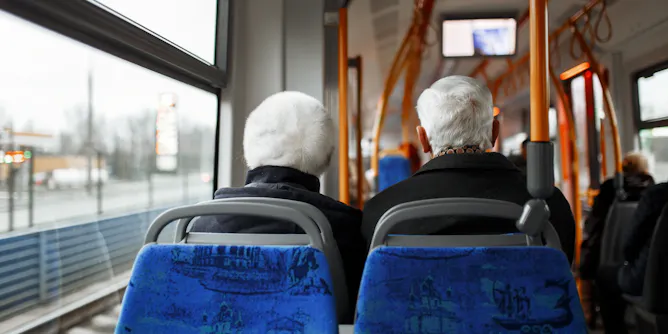
Transportation planning for the elderly should consider their needs, including safe pathways and accessible vehicles.
Articles on Elderly
Displaying 61 - 80 of 193 articles
Older adults, who are at a higher risk for COVID-19 complications, can strengthen their immune systems by exercising.

The pandemic is bringing up tough new questions as parents and grandparents develop advance care plans. Here’s how to start the conversation.
Distributing a vaccine is a bit like boarding a plane — we can’t all board at the same time. So who gets priority? There are a few reasons we should consider vaccinating older people first.
New statistics show that people with dementia have been particularly vulnerable during the pandemic.

If you became suddenly unwell, would your family or health team know your wishes? Here’s why advance care planning should be part of Australia’s strategic response to COVID-19.
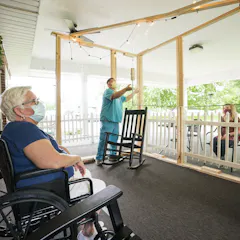
A new approach is making a big difference in Virginia.

The stigma that dehumanizes people living with dementia is reflected in the toll of COVID-19 in long-term care. Reforming long-term care must challenge this stigma with a new ethic of care.
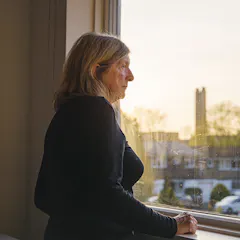
The social isolation older adults are experiencing as they try to stay safe from the coronavirus pandemic is raising new mental health risks, but people can take steps to protect themselves.

COVID-19 public health messages often classify ‘elderly neighbours’ as in need of aid, and overlook the substantial contributions, achievements and resources of older people.
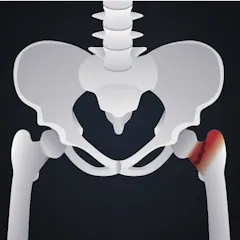
Every year, about 70 per cent of long-term care residents have at least one fall, and half of those result in injury. Wearable gear and changes to living spaces aim to prevent falls and limit injury.
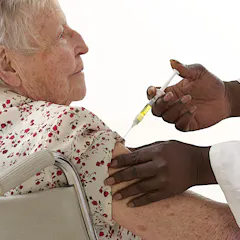
Immunosenescence — the decline of immune system function with age — means that vaccines are not as effective in older adults, the demographic most susceptible to many diseases, including COVID-19.
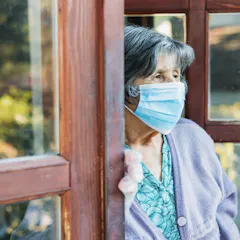
Social distancing is leaving older Americans more isolated and opening them up to serious health risks.
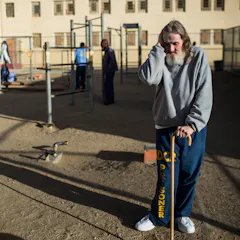
The Federal Bureau of Prisons recently opened a unit for people suffering dementia. But is incarceration a ‘cruel and unusual’ punishment for those who don’t understand why they are behind bars?
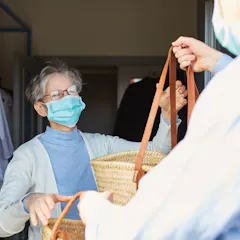
There is good reason for older people to stay isolated, even as lockdown lifts.
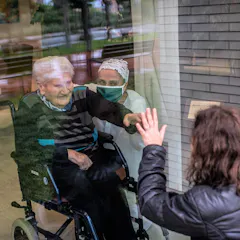
Nearly half the states have reduced liability for health care providers at a time when nursing home regulation is declining and families can’t visit loved ones for fear of spreading the coronavirus.

Studies repeatedly have shown that health care in general and the high cost of drugs in particular are among the top concerns of US voters. But with coronavirus, the issue may fade from prominence.

Audiologists recommend enhanced communication strategies in the time of coronavirus to help the nearly 60 million Americans living with hearing loss in one or both ears.

The government doesn’t know how many people have died of COVID-19, in part because it didn’t require nursing homes to report cases to the CDC. In some states, over half of deaths are in nursing homes.

As coronavirus continues to spread, older adults face a challenge: how to get the medications they need without putting themselves at risk. A new national survey shows they aren’t prepared.
Top contributors
-

Professor, Aged Care Medical Research Australian Centre for Evidence Based Aged Care, La Trobe University
-
Professor of Law, Discipline of Law, Justice and Society, Adelaide University
-
Associate Professor of Medicine and Geriatrics, University of Virginia
-
Senior Research Fellow and Deputy Unit Head, Twins Research Australia and MyBRISK Centre of Research Excellence in Breast Cancer Risk; Melbourne School of Population & Global Health, The University of Melbourne
-
Research director (CNRS), Toulouse School of Economics – École d'Économie de Toulouse
-
Associate Professor | Schlegel Chair in Clinical Epidemiology & Aging | Canada Research Chair in Integrated Care for Seniors, McMaster University
-
Vice-Chancellor's Research Fellow, School of Health and Biomedical Sciences, RMIT University
-
Assistant Professor, Management, Concordia University
-
Director of the International Laboratory of Demography and Human Capital, Russian Presidential Academy of National Economy and Public Administration
-
Emeritus Professor La Trobe University, La Trobe University
-
Professor in Criminal Law, Durham University
-
Assistant Professor, Department of Finance, HEC Montréal
-
Professor of Economics, emeritus, Stony Brook University (The State University of New York)
-
Assistant Professor, Economics, University of Groningen
-
Associate Professor, Epidemiology, Deakin University