
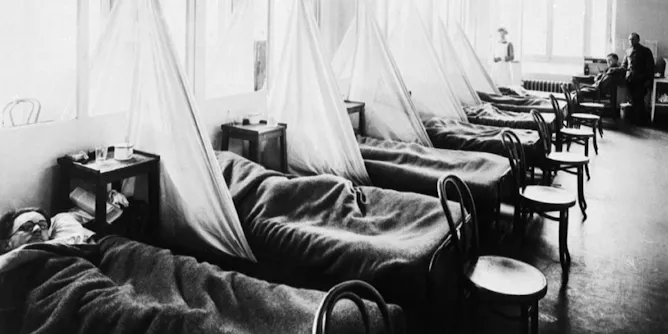
PODCAST: The third part of a series from The Anthill Podcast on how the world recovered from major crises throughout history focuses on the recovery after 1918.
Articles on Economic recovery
Displaying 41 - 54 of 54 articles
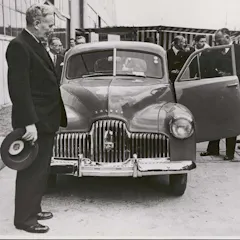
There is a case to be made for a new Commonwealth agency to lead the recovery effort, built on the model of the Department of Post-War Reconstruction after the second world war.

In the wake of the coronavirus pandemic, regional Australia needs local government to emulate the example of the local councils that brought prosperity to North Queensland after the second world war.

Māori knowledge, memory and cultural strength will only enhance New Zealand’s economic recovery planning – if they are listened to.

New Zealand’s 2020 “pandemic budget” should shift spending priorities towards a flexible and targeted approach to economic recovery.

Just as it did 75 years ago, the UK government has a chance to build back better from a crisis.

Green drinks and meditation won’t solve the childcare crisis for women - we need free universal childcare to stay.
Previous shocks show that smart spending and building public confidence are crucial to the speed and shape of economic recovery.
Climate action is a vital protection against further global shocks, especially as governments plan their post-pandemic stimulus packages.

Smaller projects are better for delivering broad, long-term value to communities across the country, reducing inequality and cutting emissions, as well as quickly providing jobs and economic stimulus.
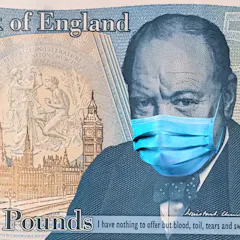
The UK must look now to a package of long-term measures that includes investment in industry and public services, increased unemployment benefits and universal basic income.
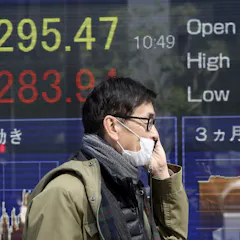
As countries get ready to re-open their economies, will there be a post-pandemic recovery? History and current economic models suggest those looking for a quick rebound will be disappointed.
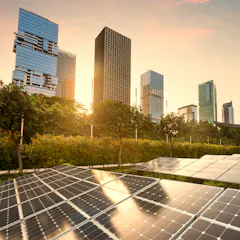
An economic downturn as severe as the great depression is possible, but what should emerge out of it?
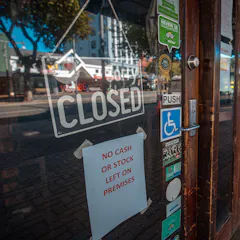
On Monday, New Zealand will announce if it’s ready to relax some of its COVID-19 restrictions – among the strictest in the world. Based on international and local data, I argue it’s time; here’s why.
Top contributors
-

Professor of Economics & Business, Allegheny College
-
Professorial Fellow, University of Canberra
-
Scientia Professor of Economics, UNSW
-
Professor of Economics and International Affairs, HEC Paris Business School
-
Professor of Law, University of Waikato
-
Professor in International Relations / International Political Economy, UNSW
-
Dosen Tetap Bidang Politik Pemerintahan dan Kebijakan Publik, Politeknik STIA LAN Jakarta
-
Visiting Fellow, Anglia Ruskin University
-
Professor of Political Communication; Director CAJII, The University of Melbourne
-
John Thwaites is a Friend of The Conversation.
Chair, Monash Sustainable Development Institute & ClimateWorks Australia, Monash University
-
Senior Economic Consultant, CSIRO
-
Associate Professor of Economics, University of South Carolina
-
Stephen JR Smith Chair of Accounting and Auditng, Professor of Business, Queen's University, Ontario
-
Chair in the Economics of Disasters and Climate Change, Te Herenga Waka — Victoria University of Wellington
-
Assistant Professor, Department of Political Science, McGill University