
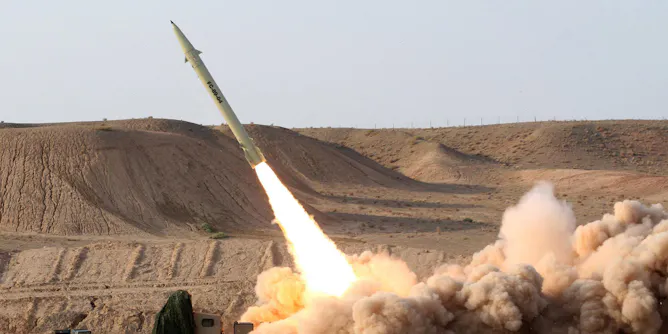
Iran has showcased these new weapons, with deadly result, in Yemen and Lebanon.
Articles on Drones
Displaying 141 - 160 of 370 articles
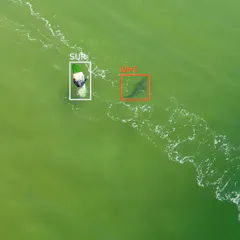
Discerning whether that dark splodge in the water is a shark or just, say, seaweed isn’t always straightforward. In reasonable conditions, drone pilots get it right only 60% of the time.
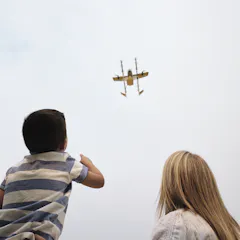
In a few Australian suburbs, a cup of coffee or toothpaste can now arrive via the air. But that doesn’t mean drones are going to be widespread – for now.
Some of the key articles from our coverage of the war in Ukraine over the past week.
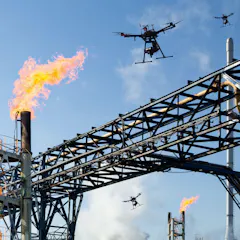
‘Kamikaze’ drones allow Russia to target Ukrainian cities and infrastructure, but they are unlikely to make a big difference to the outcome of the war.
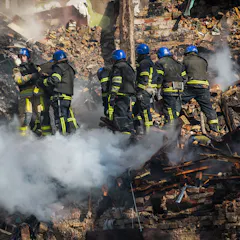
Iran has a growing role in the Ukraine war, helping Russia augment its dwindling weapons supplies. That may help Russia, but it also serves Iran’s national interests.
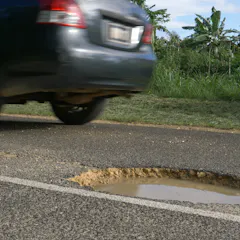
Potholes have appeared seemingly everywhere after the intense rains. They’re annoying and expensive to fix. But there may be a better way.
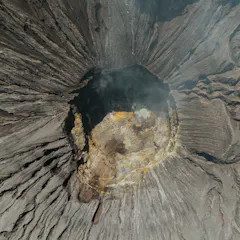
Drones can be used to collect gas samples from active volcanoes, where it is too dangerous for researchers. This data can be then used to predict the frequency and severity of eruptions.
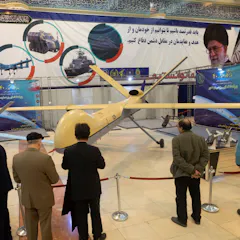
There’s an unexpected beneficiary of Russia’s war on Ukraine.
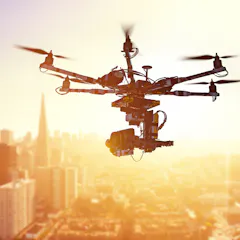
Plans for a drone superhighway could change our skies.

New weapons will require new rules of war – but there is little appetite for regulation.
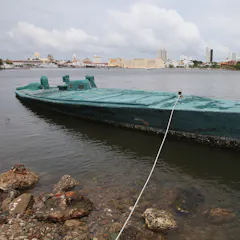
International and Australian laws need to be updated to cope with the newest drug-trafficking technique threatening maritime security: remote-controlled narco-drones.
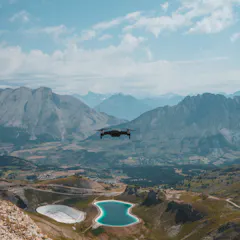
From discovering hidden populations of vulnerable newts to dropping “seed bombs”, two new research papers show how genomics and drones help restore threatened ecosystems.
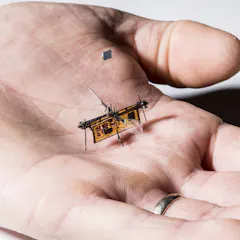
Robots a fraction of a millimetre small could swim around your eye or bloodstream for medical treatments in the future.
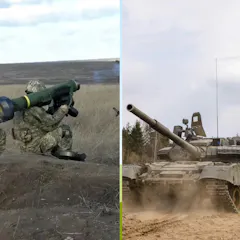
An arms trade expert explains the wide variety of military aid nations around the world have sent to Ukraine.
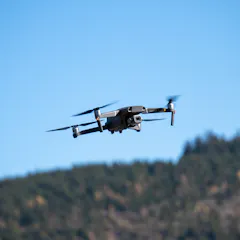
Where it’s risky for aid workers to be on the ground, technology could help.

Russia has sophisticated drone capabilities, but generals may not trust the technology enough to use it.
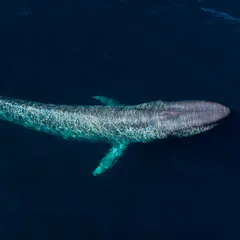
The world needs to protect 30% of the ocean by 2030. We won’t achieve this goal without using new technology to patrol and preserve marine protected areas.

Between driverless cars, autonomous weapons and AI-powered medical diagnostic tools, it seems there will be no shortage of ethically-complex situations involving AI in the future.
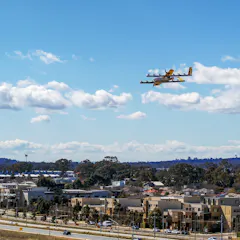
Drone delivery company Wing is out to transform the sky – and Australia is at the forefront of its plans.
Top contributors
-

Professor of International Security, University of Birmingham
-
Professor of Applied Ethics and Director, Security and Risk Research, University of Portsmouth
-
Associate Professor in Human Geography, University of Reading
-
Senior Lecturer in Design (People, Places, Products), Lancaster University
-
Professor of International Politics in the Department of Political Science and International Studies, University of Birmingham
-
Professor in Robotics, Queensland University of Technology
-
PhD Candidate, Department of War Studies, King's College London
-
Professor, National University of Singapore
-
Visiting Fellow, Strategic Studies, Griffith University
-
Associate Professor (Adj), Griffith Asia Institute; and Fellow, Strategic and Defence Studies Centre, Australian National University
-
Associate Professor of Media, UNSW
-
Professor of Computer Science and Engineering, Texas A&M University
-
Chair in Science Communication & Future Media, University of Salford
-
Ecologist, Adelaide University
-
PhD Candidate in the School of International Relations, University of St Andrews