
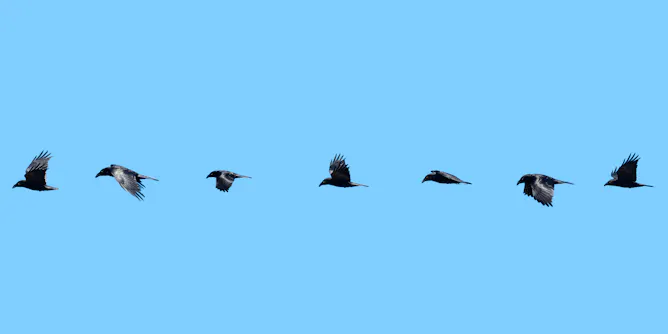
Inspired by the aerobatic manoeuvres of the swift, a new “flapping wing” aircraft can hover, glide and dive much better than quadcopter-style drones.
Articles on Drones
Displaying 181 - 200 of 370 articles
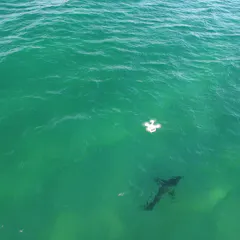
Recent shark-related deaths fuel the debate around the best way to keep people safe in the water, without hurting marine wildlife.
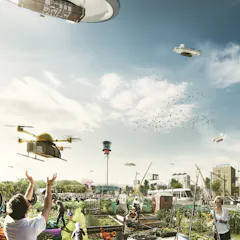
An influx of drone technology will mean changes to how cities are built.
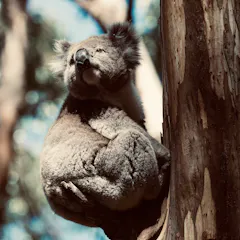
Koalas are notoriously difficult to detect. Traditional methods are costly and labour intensive. So we found a more efficient way to locate koalas in eastern NSW, using drones.
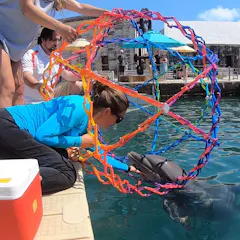
Wild dolphins are fast, smart and hard to study, but it is important to understand how human actions affect their health. So we are building a drone to sample hormones from the blowholes of dolphins.
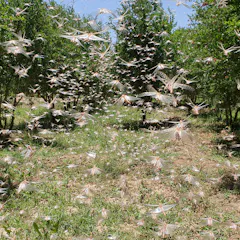
A swarm of roughly 40 million desert locusts can eat the same amount of food in one day as about 35,000 people.
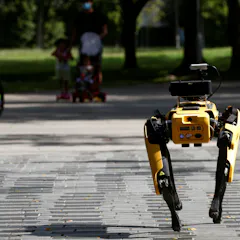
Smart city solutions have proved handy for curbing the contagion, but recent experience has also shown how much they rely on public trust. And that in turn depends on transparency and robust safeguards
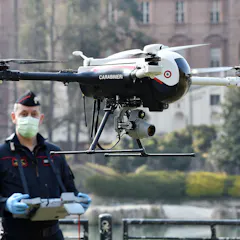
Police are using drones to enforce rules and surveil and intimidate people.
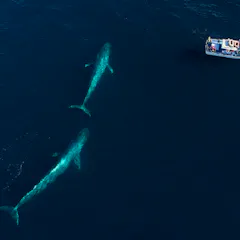
Some species, including blue whales, spend little time at the surface. So despite their overwhelming size, they can be hard to find and tough to study.
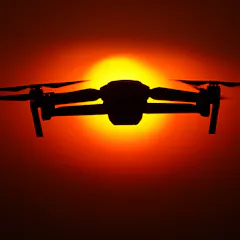
The usefulness of drones to the medical sector has been clear for several years – and well-funded start-ups have been trialling services around the world.
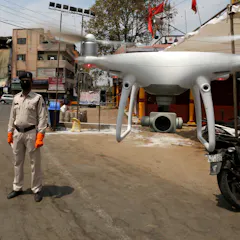
Start-ups in India, many in Kerala, have taken up the challenge of finding innovative solutions to the problems raised by COVID-19.
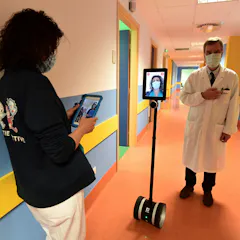
Robots are helping health care workers and public safety officials more safely and quickly treat coronavirus patients and contain the pandemic. They have something in common: They’re tried and tested.
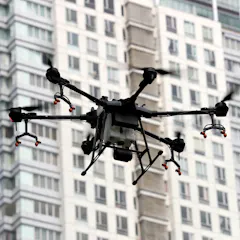
While ‘good drones’ have been valuable in this pandemic, using drones to embed new systems of surveillance could be a dangerous and slippery slope.
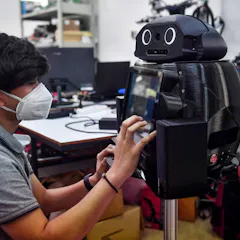
With the enhanced capabilities of today’s robots and drones, recent examples from China and Thailand and ongoing research show that they have the potential to help us navigate disasters.

Drones are coming to our cities – but what do people really think about them, and how can they have a sustainable future? New research provides some answers.
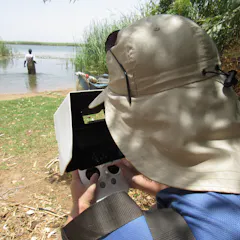
Schistosome worms infect hundreds of millions of people worldwide. Researchers have discovered how to use inexpensive drones to identify disease hotspots in remote African villages.
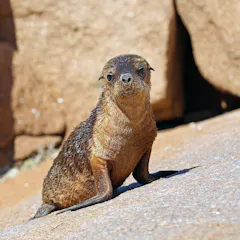
Australia’s only sea lion species is endangered and continues to decline. A new non-invasive monitoring technique could help to identify the causes and better inform conservation strategies.
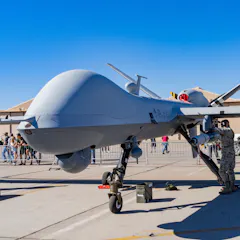
The drone probably used to kill Iranian general Qassem Soleimani doesn’t take away all risks and responsibilities from military personnel.

At Christmas shopping, you may have noticed toys are becoming very complex. They fly, hop, jump and follow you around – some even need to be ‘connected’. But why are we seeing such technical advances?
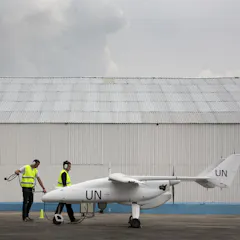
Drones could help United Nations peacekeepers save civilians’ lives – but there are obstacles.
Top contributors
-

Professor of International Security, University of Birmingham
-
Professor of Applied Ethics and Director, Security and Risk Research, University of Portsmouth
-
Associate Professor in Human Geography, University of Reading
-
Senior Lecturer in Design (People, Places, Products), Lancaster University
-
Professor of International Politics in the Department of Political Science and International Studies, University of Birmingham
-
Professor in Robotics, Queensland University of Technology
-
PhD Candidate, Department of War Studies, King's College London
-
Professor, National University of Singapore
-
Visiting Fellow, Strategic Studies, Griffith University
-
Associate Professor (Adj), Griffith Asia Institute; and Fellow, Strategic and Defence Studies Centre, Australian National University
-
Associate Professor of Media, UNSW
-
Professor of Computer Science and Engineering, Texas A&M University
-
Chair in Science Communication & Future Media, University of Salford
-
Ecologist, Adelaide University
-
PhD Candidate in the School of International Relations, University of St Andrews