
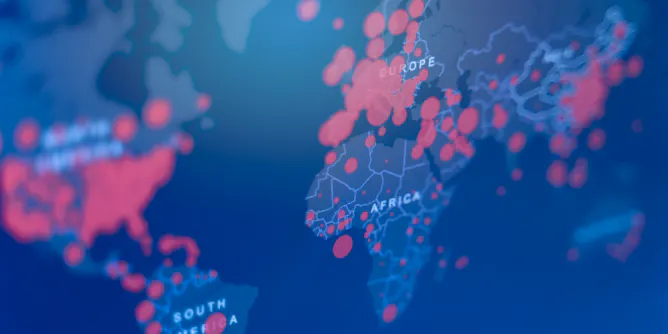
Policymakers need to make sense of the data so as to predict and manage what’s happening. To address this need, we developed a visualisation tool to track and predict country-level COVID-19 cases.
Articles on Disease surveillance
Displaying 21 - 40 of 42 articles

A more coordinated effort by scientists, stakeholders and community members will be required to stop the next deadly virus that’s already circulating in our midst.
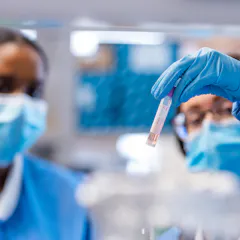
The US lags in testing coronavirus samples from COVID-19 patients, which can help track the spread of the virus and the emergence of new variants. But labs are ramping up this crucial surveillance.

You can have this STI without knowing it, or have symptoms, it can affect men and women, and it can be treated with antibiotics. Left untreated, it may cause complications.
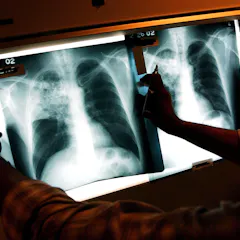
South Africa’s long-awaited TB prevalence survey results were recently released. They reveal that the country has a much higher burden of TB than previously thought.
A community’s wastewater can predict coronavirus cases that haven’t yet been diagnosed. The quicker that information is known, the better.

Shoring up surveillance and response systems and learning lessons from how the COVID-19 pandemic unfolded will help the world be ready the next time around.
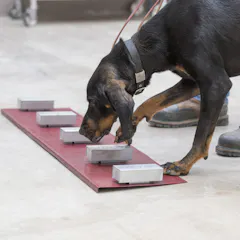
Scientists are experimenting with using dogs to sniff out people infected with COVID-19. But dogs aren’t the only animals with a nose for disease.
Digital participatory surveillance allows the community to share in the responsibility of disease surveillance and contribute to the control and prevention of respiratory disease outbreaks.
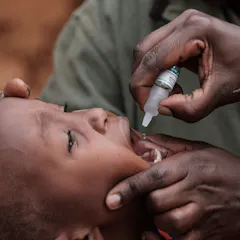
The polio eradication programme in Africa directly combated a severe debilitating disease. But it also provided a platform for broader healthcare services on the continent.
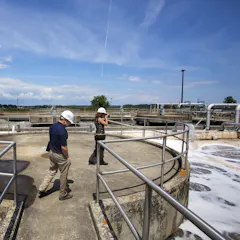
Sewage surveillance is one technique that can alert authorities to the presence of a pathogen in the community. An environmental engineer explains the state of the science when it comes to SARS-CoV-2.
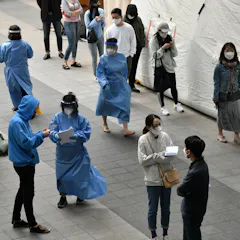
South Korea’s mass surveillance to curb the coronavirus pandemic uses technologies and techniques that are grounded in anti-LGBTQ discrimination.
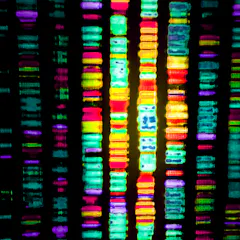
The variation captured in these genomes, when compared to genomes sampled elsewhere, provides a fingerprint that might be associated with a particular virus and a particular cluster of transmission.
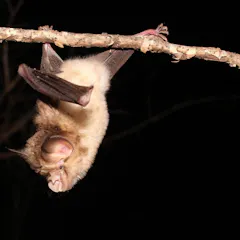
Understanding the many factors that may play a role in spillover of pathogens from bats to humans requires systematic surveillance of bat populations.
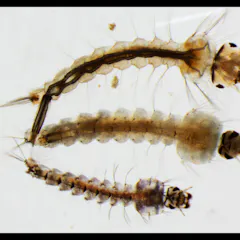
Researchers are only beginning to understand the impact of pollution and increased temperatures on the biology of mosquitoes.
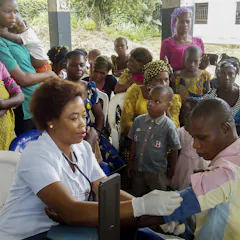
Nigeria’s health systems are overwhelmed and incapable of sustaining high quality disease surveillance, prevention, control and response.
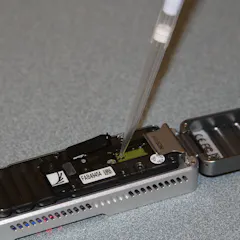
Researchers have increasingly turned to DNA sequencing to help identify and track diseases like Ebola.

No one then knew a virus caused the 1918 flu pandemic, much less that animals can be a reservoir for human illnesses. Now virus ecology research and surveillance are key for public health efforts.
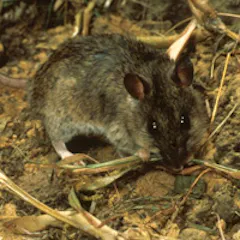
Lassa outbreaks are becoming more widespread in Nigeria but have not been given national emergency status like Ebola.

Yelp and Twitter can help us spot food poisoning outbreaks quickly. But a new study shows the data favor some communities over others.
Top contributors
-

Medical scientist, National Institute for Communicable Diseases
-
Fellow, Nigerian Academy of Science
-
Professor of Microbiology, Universidade Federal do Rio de Janeiro (UFRJ)
-
Professor of Infectious Disease and Global Health, Cummings School of Veterinary Medicine, Tufts University
-
Postdoctoral Research Associate in Pediatrics, University of California, San Diego
-
Brush Chair Professor of Engineering, Departments of Neurosurgery, Engineering Science and Mechanics, and Physics, Penn State
-
Professor of Pediatrics and Computer Science and Engineering, University of California, San Diego
-
Associate Dean for Research and Professor of Health Policy and Management, Texas A&M University
-
Senior Medical Scientist, National Institute for Communicable Diseases
-
Senior Lecturer in Veterinary Epidemiology, Te Kunenga ki Pūrehuroa – Massey University
-
Research Officer in Veterinary Epidemiology, Te Kunenga ki Pūrehuroa – Massey University
-
Associate Professor at the Wits Research Institute for Malaria in the Faculty of Health Sciences, University of the Witwatersrand
-
Associate professor, Te Kunenga ki Pūrehuroa – Massey University
-
Co-head of the Centre for Respiratory Disease and Meningitis, National Institute for Communicable Diseases
-
Ph.D. Candidate in Chemical Biology, Harvard University