

Even with bird flu circulating in Australia, the risk to humans is low. But some groups are still at increased risk.
Articles on Disease surveillance
Displaying 1 - 20 of 42 articles
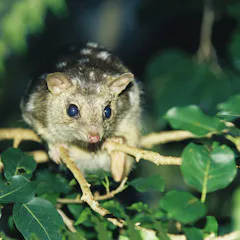
The arrival of the H5N1 strain may threaten our most vulnerable species.

The World Health Organization is a global body, but decisions affecting New Zealand are made in Wellington, not in Geneva.
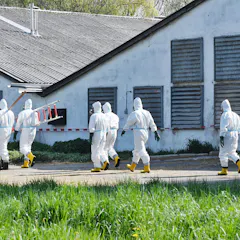
H5N1 has a 50% fatality rate in humans. Yet we’re dismantling the systems designed to catch it early.

Rather than winging it when an unusual health event crops up, health officials take a systematic approach. The goal is to quickly figure out what’s going on and squash any outbreak before it spreads.

New Zealand can learn from the issues raised in Australia’s recently released COVID inquiry report. It would benefit from closer collaboration to build capacity in disease surveillance and testing.
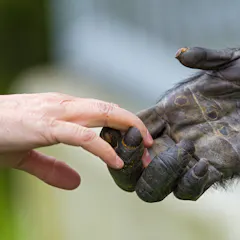
Infectious diseases can spill over from animals to humans as well as spill back. Each cross-species transmission gives pathogens a chance to evolve and spread even further.
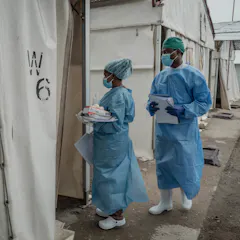
African health workers have over 50 years of experience battling various outbreaks of yellow fever, Ebola, mpox and more recently COVID-19. This experience should be harnessed now.

Migratory birds could bring the lethal bird flu variant that is assailing the rest of the world’s birds.
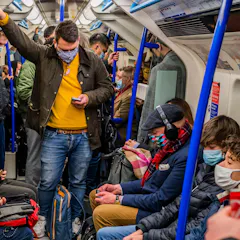
ONS, Zoe app, Google Trends … there were many ways to keep an eye on COVID cases during the pandemic. Here’s how they fared.
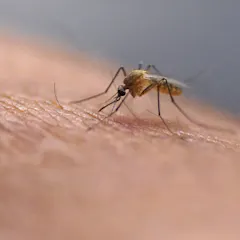
West Nile virus arrived in North America in 1999 and spread across the continent by 2005. Here’s what you need to know about this mosquito-borne pathogen.

Floods are often followed by waves of diseases because pathogens shed by animals can survive in flood waters for days, raising the risk of infection for humans.
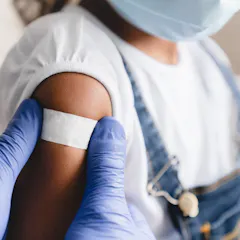
Polio cases in the US, UK and Israel remind us that this could also happen in Australia. Here’s what we should watch out for.
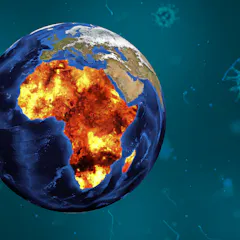
Combining several layers of response to COVID-19 was effective. Decentralisation, innovation and building on existing systems were key.
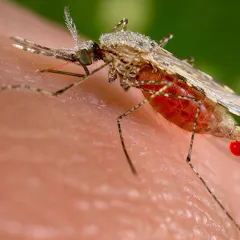
The spread of this urban malaria vector species threatens the gains made against malaria and the achievement of malaria elimination.
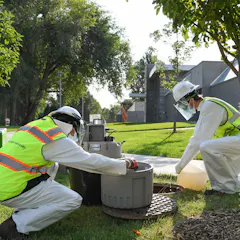
Over 800 sites across the US report coronavirus data from sewage to the CDC. Here’s how this kind of surveillance system works and what it can and can’t tell you.
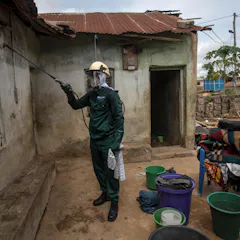
Insecticide resistance is a growing threat to malaria control efforts globally. It is, thus, important to keep a close eye on vector mosquito populations in affected areas.

States are using 2 main school testing strategies: testing everyone regularly, known as surveillance, having close contacts test daily for 7 days and come to school if negative, known as test to stay.
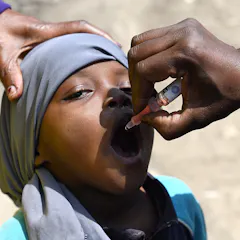
Outbreaks of polio have become a thing of the past, told to us by our grandparents, only because of vaccination.

Nigeria must increase its testing capacity and do more genomic studies to deal effectively with the Delta variant of COVID-19.
Top contributors
-

Medical scientist, National Institute for Communicable Diseases
-
Fellow, Nigerian Academy of Science
-
Professor of Microbiology, Universidade Federal do Rio de Janeiro (UFRJ)
-
Professor of Infectious Disease and Global Health, Cummings School of Veterinary Medicine, Tufts University
-
Postdoctoral Research Associate in Pediatrics, University of California, San Diego
-
Brush Chair Professor of Engineering, Departments of Neurosurgery, Engineering Science and Mechanics, and Physics, Penn State
-
Professor of Pediatrics and Computer Science and Engineering, University of California, San Diego
-
Associate Dean for Research and Professor of Health Policy and Management, Texas A&M University
-
Senior Medical Scientist, National Institute for Communicable Diseases
-
Senior Lecturer in Veterinary Epidemiology, Te Kunenga ki Pūrehuroa – Massey University
-
Research Officer in Veterinary Epidemiology, Te Kunenga ki Pūrehuroa – Massey University
-
Associate Professor at the Wits Research Institute for Malaria in the Faculty of Health Sciences, University of the Witwatersrand
-
Associate professor, Te Kunenga ki Pūrehuroa – Massey University
-
Co-head of the Centre for Respiratory Disease and Meningitis, National Institute for Communicable Diseases
-
Ph.D. Candidate in Chemical Biology, Harvard University