
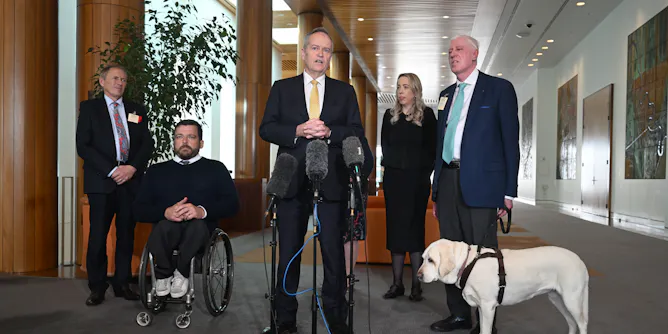
The original vision for the NDIS was that it would give people with disabilities a say in how services are delivered. The appointment of an NDIA chair who is disabled is a positive move.
Articles on Disability coverage
Displaying 241 - 260 of 291 articles

NDIS participants want to call the shots when it comes to everyday support. And they want to be treated like people, not commodities.

At the time Australia needs it most, there is a crisis in the workforce of psychologists trained to assess and treat brain and mental health conditions.

If you think you have ADHD, getting a diagnosis can be a long, frustrating and often expensive process. But it can give you access to treatments and change how you see yourself.

We see a lot about the challenges and limitations associated with autism – but less about the real strengths autistic people bring to the workplace. Here’s how to make workplaces more autism-friendly.

A major review found specific supplements or food components were unlikely to lead to significant improvements in stiffness, pain and function.

Some NDIS participants worry if they don’t spend their annual funds, they won’t be offered the same supports in their next plan – and it’s harder for some to use what they’ve been allocated.
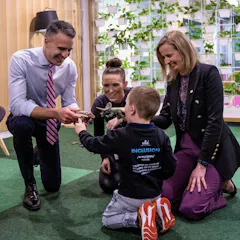
Appointing an assistant minister for autism signals the neurodevelopmental condition is a priority – but a focus on it shouldn’t come at the expense of other conditions.

The NDIS offers support for activities of daily living, but doesn’t count parenting in this category.

Reports of large scale NDIS fraud show it’s time to work with participants and involve them in oversight.

In this new reality TV series, Nathan Fielder goes to great lengths to help people rehearse future events.

Being stuck in hospital means NDIS participants lose the gains made in rehabilitation as well as condition, confidence and social connection. Specialist housing is ready and waiting.

We surveyed more than 100 Australian parents of children with ADHD about lockdown learning to see what worked and what did not.
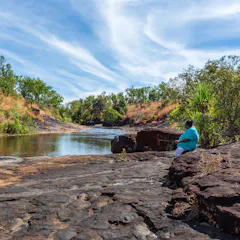
Reports of barriers facing Indigenous people with disability in remote communities are not new. Let’s stop relying on old excuses.

People with disabilities experience very high rates of mental health difficulties and psychological distress. Yet health professionals often don’t feel equipped to treat them.
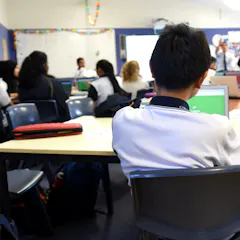
As NSW overhauls its approach to suspensions, school discipline continues to be one of the most difficult issues in Australian schools.

Problems identifying and responding to emotions in others is thought of as a core feature of autism. But our research shows there may be minimal differences in this aspect of social interaction.

Contrary to widely held beliefs, effective therapies exist for post-infection conditions like long COVID. But we’ll need to come to terms with our history to make a difference for sufferers.

A decade on from the establishment of the NDIS, we spoke to participants. Their feelings about it ranged from frustration to joyous gratitude.

Refugees from non-English speaking backgrounds with disabilities face the twin obstacles of English language courses that don’t work for them and disability services that don’t speak their language.
Top contributors
-

Professor, Public Service Research, UNSW
-
Deputy Director, The Kids Research Institute Australia, Professor of Autism Research, The University of Western Australia
-
Adjunct Professor, Summer Disability Research Centre, La Trobe University
-
Professorial Fellow, University of Canberra
-
Disability Program Director, Grattan Institute
-
Professor, University of Sydney; RMIT University
-
Postdoctoral Research Fellow, UniSA Creative, Adelaide University
-
Professor and Clinical Psychologist, Michael Crouch Chair in Child and Youth Mental Health, University of Sydney
-
Psychologist and Research Associate in the Department of Paediatrics, Monash University
-
Professor, Director, Griffith Inclusive Futures, Griffith University, Griffith University
-
Senior Research Fellow, Crawford School of Public Policy, Australian National University
-
Head of Autism Research and Senior Principal Research Fellow, The Kids Research Institute Australia
-
Senior Lecturer of Wellbeing Science, The University of Melbourne
-
Research Fellow, Dignity Project, Griffith University
-
Financial Markets Foundation Chair of Developmental Mental Health, The University of Melbourne