

Respite care needs to be understood as a service for the carer as much as for the older person they care for.
Articles on Disability coverage
Displaying 261 - 280 of 291 articles

Successful housing projects for people living with disabilities have inviting communal spaces, private individual dwellings, commercial opportunities for residents and on-site support.
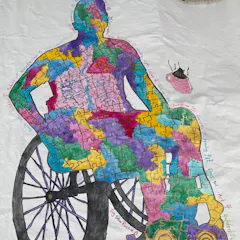
Stigma and discrimination can be upsetting to talk about and hard to describe. Creative activities can help to bring these experiences to light.

While COVID has become less deadly, it has disproportionately claimed the lives of older and poorer Australians. Others have missed out on necessary preventative care during the pandemic.
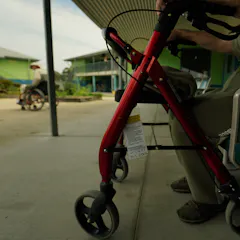
People with disability in prison may need help with personal hygiene, reading, filling in forms, understanding rules, participating in criminal justice proceedings, or making complaints.

People who are vaccinated are less likely to get long COVID, with lower rates of symptoms reported among those who have had their booster.

The real Pennhurst – a hospital name-checked in the latest series of Stranger Things – was a place of segregation and abuse.

We need to take an urgent look at how we manage and treat long COVID. If we don’t start planning now, the problem will only get worse.

A good celebrity apology is rare. Lizzo recently apologised for the use of an ableist slur in her new single, which is considered one of the rare examples of a sincere apology.
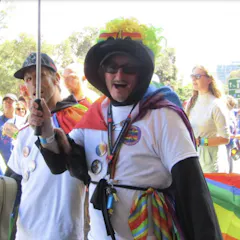
People with intellectual disabilities face additional barriers to access and participation in community, which means their voices are often missing from LGBTQ+ events.
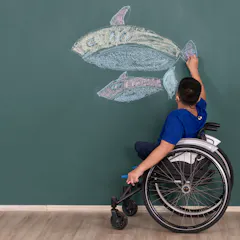
Almost 90% of students with disability go to mainstream schools but an increasing number are going to special schools.

A new study has found autism is the top risk factor for bullying among all neurodiversities.

For many Australians, there is no clear distinction between the two labels: chronic conditions can result in disability and disability can increase vulnerability to a range of chronic conditions.
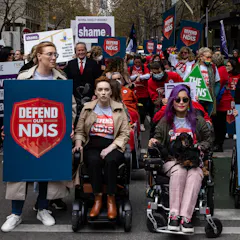
The short-term NDIS priorities for the new government are to rebuild trust and restore it to its original intention.

The WHO has released a major report on assistive technology. It says almost 1 billion children and adults can’t get the glasses, wheelchairs, technology, devices or other supports they need.
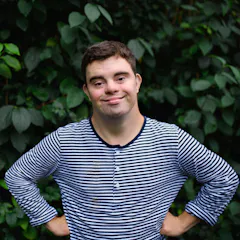
An archaic law means many people with disability are not allowed to vote. Other countries are changing their rules and so should Australia.

Younger people with dementia are more likely to experience quicker disease decline. But annual NDIS reviews don’t capture their changing needs.

There is little evidence organisations consider digital accessibility by default. It usually happens if they have a senior accessibility champion in their ranks, or when they get sued.

Mental health labels can be powerful and hurtful. We sat down with young patients, families and doctors to brainstorm new names for mental health conditions.

If hospitals know a person has an intellectual disability, they can tailor communication and care to improve their treatment and health outcomes.
Top contributors
-

Professor, Public Service Research, UNSW
-
Deputy Director, The Kids Research Institute Australia, Professor of Autism Research, The University of Western Australia
-
Adjunct Professor, Summer Disability Research Centre, La Trobe University
-
Professorial Fellow, University of Canberra
-
Disability Program Director, Grattan Institute
-
Professor, University of Sydney; RMIT University
-
Postdoctoral Research Fellow, UniSA Creative, Adelaide University
-
Professor and Clinical Psychologist, Michael Crouch Chair in Child and Youth Mental Health, University of Sydney
-
Psychologist and Research Associate in the Department of Paediatrics, Monash University
-
Professor, Director, Griffith Inclusive Futures, Griffith University, Griffith University
-
Senior Research Fellow, Crawford School of Public Policy, Australian National University
-
Head of Autism Research and Senior Principal Research Fellow, The Kids Research Institute Australia
-
Senior Lecturer of Wellbeing Science, The University of Melbourne
-
Research Fellow, Dignity Project, Griffith University
-
Financial Markets Foundation Chair of Developmental Mental Health, The University of Melbourne