
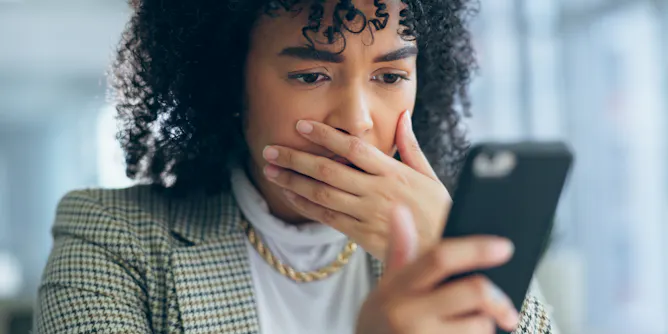
The video of Charlie Kirk’s murder went far and wide, and many people ended up seeing it when they would rather have avoided it.
Articles on Digital well-being
Displaying all articles
Screen time is more than just hours spent on devices. By studying diverse digital habits, researchers can help people adopt a balanced approach to technology.
Disconnecting from the digital realm from time to time is good for your well-being, but doing so can be difficult. There are steps you can take, however, to get in the habit of putting your phone down.

Healthy smartphone use depends as much on the way you use it as how much you use it. The key is paying attention to your phone behavior.

While the COVID-19 pandemic spurred significant progress in expanding rural home internet access, these gains are proving temporary as resources dwindle.

The growing absence of non-digital alternatives to everyday tasks, like government services and health care, is contributing to digital dependence. This, in turn, affects people’s wellbeing.

Their social media feeds contain images of tanks, bombs and war-style propaganda. Here’s how to help them navigate social media ‘news’ content about war, while minimising any distress.

Research from Meta and some scientists shows no harm from social media, but other research and whistleblower testimony show otherwise. Seemingly contradictory, both can be right.

When young adults create and share online content focused on consumer products, it can trigger a social comparison process that results in feelings of inferiority and low self-esteem.

New tools to help people use their smartphones in less detrimental ways are a good start, but could be even better at protecting users’ well-being.
Top contributors
-

Senior Lecturer, Marketing Discipline Group, University of Technology Sydney
-
Assistant Professor of Psychology, Georgetown University
-
Research Fellow in Media and Information, Michigan State University
-
Professor, School of Journalism, Writing and Media, University of British Columbia
-
Researcher, Digital Wellbeing, Western Sydney University
-
Postdoctoral Fellow at the Center for an Informed Public, University of Washington
-
Professor of Media and Information and Interim Director of the Quello Center, Michigan State University
-
Doctoral Candidate, Media and Communication, University of Stavanger
-
Provost's Distinguished Professor of Sociology, Anthropology and Criminal Justice and Communication, Clemson University
-
Assistant Professor of Marketing, College of Charleston
-
Assistant Professor of Marketing, University of Tampa
-
Doctoral student in the College of Health and Human Development, Penn State
-
Teaching Assistant Professor of Creative Technology & Design, ATLAS Institute, University of Colorado Boulder