

We need media literacy not only to help us detect hoax and fake news but also to read the interest of media owners behind the news.
Articles on Digital age
Displaying 41 - 60 of 62 articles

Digital and communication poverty is unhelpful – depriving prisoners is short-sighted.

Apps which encourage children to develop language, literacy, numeracy and critical thinking skills through play are excellent gifts this Christmas.

Toronto has entered a joint venture with a Google sister company to create a high-tech urban development area. The goal is to ‘re-imagine cities from the internet up’ – Google’s internet, of course.

Despite the hype about STEM skills, research shows interpersonal, problem-solving and entrepreneurial skills will make you more employable in the 21st century.

How culture can inform technological innovations.
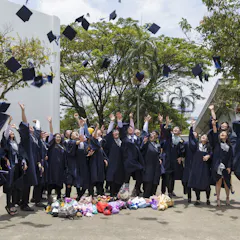
Jobs of the future will require emotional intelligence to complement the sophisticated machines we work with, so we need to equip young people with this vital skill
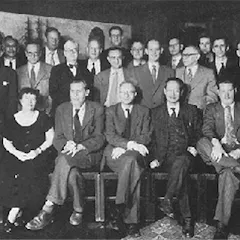
Scientists at the postwar Macy conferences sought a new vision of mind and society, but the digital world in which we now live is far removed from their dreams.
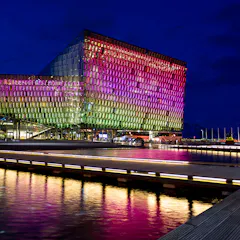
Digital media on building facades are changing the appearance of our cities. This creates a need for new urban policy guidelines to retain architectural quality and promote social engagement.

The digital pin-ups’ business models actually inhibit serendipity and, indeed, innovation by absorbing entire markets into the sealed-off space of their platforms.

The corporate world has taken the lead in promoting various creative/smart city visions, which struggle to be inclusive, let alone entrust citizens with control over their lives.
Gamification in schools teaches children that they should expect their every move to be watched, rated, and possibly shared publicly.
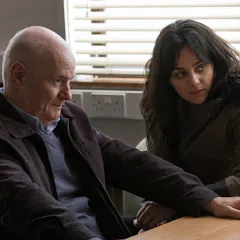
Pencil by default: the digital skills demanded by the welfare system may baffle Daniel Blake, but he is resourceful, creative and willing to work.

The lead author of a new American Academy of Pediatrics statement summarizes important guidelines for children’s use of electronic devices.
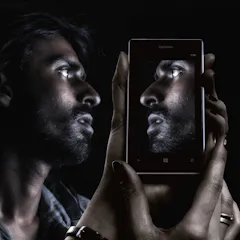
Angst when you forget your smartphone is not only a real psychological phenomenon–it also highlights a quintessentially postmodern problem: what the author calls the “anxiety of the disconnected”.

The rhetoric of ‘smart cities’ is dominated by the economic, with little reference to the natural world and its plight. Truly smart and resilient cities need to be more in tune with the planet.
A copyright law that has frozen the entry of many works into public domain is approaching its end. Will a further extension of its term be detrimental to the common good?
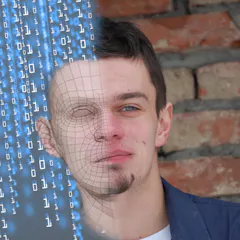
Science fiction has long warned of technology taking over the world. We’re increasingly connected to a digital world that’s growing, and more automated. So what if it starts to evolve?
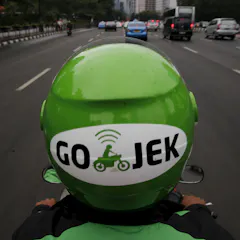
Creative industries have the potential to provide much needed jobs in Indonesia. But, without a law on creative economy, industries are being subjected to rigid sectoral regulations.
What is it about modern digital technology that inspires suspicion rather than trust?
Top contributors
-

Professor of Digital Communication, Director of QUT Digital Media Research Centre, Queensland University of Technology
-
Professor of Early Childhood Studies, The University of Melbourne
-
Associate professor, University of Nottingham
-
Senior Research Fellow in Community and Criminal Justice, De Montfort University
-
Economist, Data61, CSIRO
-
Principal Research Scientist, CSIRO
-
PhD Researcher, Material Culture Anthropology, UCL
-
Professor of Autonomy in Art, Design and Technology, St Joost Art Academy, Avans University of Applied Sciences
-
Professor of Molecular Evolution, Macquarie University
-
Research Scientist in Digital Economics, CSIRO
-
Professor of Transport Technology and Sustainability, Swinburne University of Technology
-
Senior Lecturer in Mathematics Education, Griffith University
-
Professeur en management & théories des organisations, Université Paris Dauphine – PSL
-
Emeritus Professor of English and New Media, Bournemouth University
-
Senior Lecturer in Biological Sciences, Macquarie University