
Before AI becomes widespread in health care, we need to ask what matters to consumers.
Articles on Diagnosis
Displaying 41 - 60 of 163 articles
People with intellectual disability are 50% more likely to die from cancer than the general population.
More often than not, it is women who have been gaslighted by medical professionals.
Since the time of Hippocrates, doctors have looked at patients hands for signs of ill health.

People who developed diabetes, psychosis and congestive heart failure, in that order, experienced the largest reduction in life expectancy
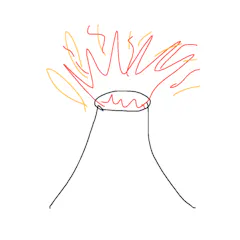
A chatbot that lets users express their feelings by drawing may help communication and treatment for people with chronic pain.
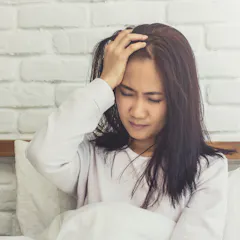
Increasing awareness of migraine symptoms is critical for those living with undiagnosed migraine, since getting a diagnosis is the first step to receiving appropriate and effective care.
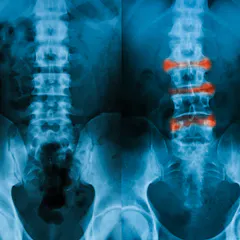
Our new study demonstrates the enormous potential that machine learning has to help identify people with AS

Diagnosis is more than the medical process of identifying an illness. It’s a social agreement about what counts as disease and a storytelling tool to make sense of dysfunction.

People can be reluctant to discuss symptoms with their doctor. When they do, their symptoms can be mistaken for other illnesses. Even when people are diagnosed, they don’t always get the right treatment.

The pandemic spurred the diagnostics industry to consider aspects like scale, affordability, speed and portability of tests.

Research shows most people who can’t even recognise their family and friends won’t get the diagnosis needed to help them.

After an outcry on social media over its requirement that writers provide a medical diagnosis, Black Inc. has put on hold a planned anthology: Growing up Neurodivergent in Australia.
A panel of experts has deemed the digital rectal examination to be inferior to MRI in monitoring prostate cancer in men.
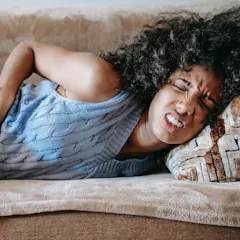
Doctors don’t always tell you they’re unsure what’s behind common symptoms, such as a stomach ache. And that can have serious effects.
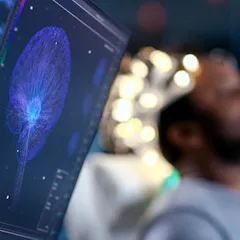
New research shows that post-coma patients who appear to be in a minimally conscious state can still mentally react to language. This finding could help improve their diagnosis and treatment.
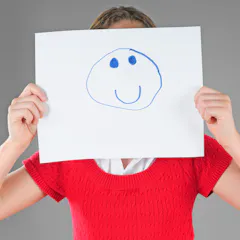
Masking or camouflaging is where people conceal certain traits and replace them with neurotypical ones to avoid being recognised as visibly neurodiverse.
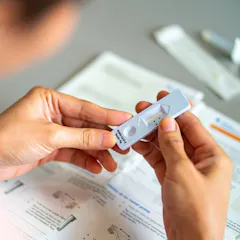
Some results of independent testing of rapid antigen tests available in Australia have been made public. Here’s what the data tell us.
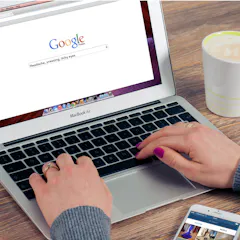
Searching symptoms online has become so common there is a name for the condition of health anxiety induced by self-diagnosis on the internet: Cyberchondria.
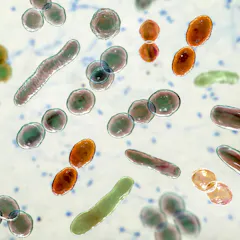
The types of microbes residing in your gut can affect your mental and physical health. Home microbiome tests promise to help consumers improve the composition of their gut microbes.
Top contributors
-

Associate Professor, Epidemiology, Deakin University
-
Professor Emerita, Nursing, School of Nursing and Midwifery, Griffith University
-
NHMRC Emerging Leader Research Fellow, School of Public Health, University of Sydney
-
Deputy Director, The Kids Research Institute Australia, Professor of Autism Research, The University of Western Australia
-
Professor of Clinical Epidemiology, Sydney School of Public Health, University of Sydney
-
Professor of Psychology, The University of Melbourne
-
Professor & Senior Principal Research Fellow, The Kids Research Institute Australia
-
Professor of Biomedical Engineering, University at Buffalo
-
Professor of Anatomy, Lancaster University
-
Honorary Enterprise Professor, School of Population and Global Health, and Department of General Practice and Primary Care, The University of Melbourne
-
Associate Professor of Educational Studies in School Psychology, University of Calgary
-
Senior Research Officer, Blood Cells and Blood Cancer Division, WEHI (Walter and Eliza Hall Institute of Medical Research)
-
Director, Nephrology and Kidney Care Services, Melbourne Health
-
Senior lecturer, Manchester Metropolitan University
-
Lecturer in Law, Sydney Law School, University of Sydney