

Former coal communities face higher death rates from suicide, drugs and alcohol revealing lasting effects of industrial decline.
Articles on Despair
Displaying all articles

Modern cinema has become less interested in idealised depictions of motherhood, and more concerned with their inner lives – however messy.

Dylan Southern’s film is a sharply crafted adaptation of Max Porter’s poignant book, grounded in powerful performances.

The rapid rise in despair before the age of 45, and especially before the mid-20s, has fundamentally changed the lifecycle profile of despair.
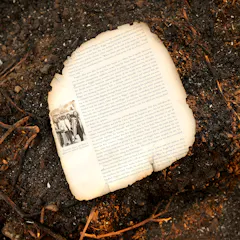
Reading and maintaining a human connection have a vital role to play as extreme events that have long served as the stuff of dystopian fiction simply become a part of everyday life.
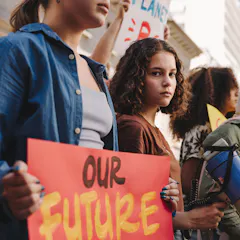
Almost half of us are now angry about climate change. But who we’re angry at can change whether we turn anger into action – or despair

Travelling remains time-consuming, precarious, and shockingly dangerous for most South Africans 30 years after apartheid has ended.

Even though her most famous work, ‘Bastard out of Carolina,’ deals with physical and sexual abuse, this merely constitutes one element of a broader emotional and physical landscape.
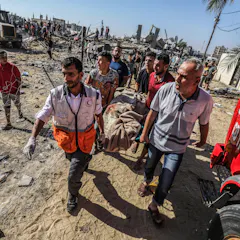
Research explains why Palestinians experiencing despair may gamble with their own lives despite little real hope of improving things.

From Bali to China, Italy to India, the way people grieve varies greatly across the world.
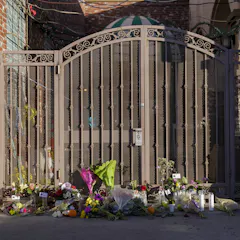
Even people who are only indirectly exposed to these repeat tragedies, such as first responders and those affected by media coverage, can experience profound and long-lasting grief.
To address declining humanities enrolments, these programs should ensure they offer more than critical theory for identifying and analyzing problems.

People who are directly affected by mass shootings may develop PTSD and depression. But those who are indirectly exposed to these tragedies can also experience profound and long-lasting grief.
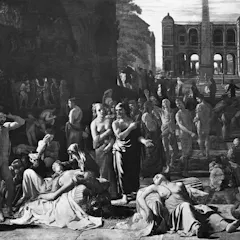
A scholar of ancient Greek literature goes back to the account of Greek historian Thucydides on the spread of plague and finds parallels in the American response to the health crisis today.

A scholar of democratic virtues explains why Dominican monk Thomas Aquinas’ thoughts on hope are relevant today.

People in high-risk groups are already more likely to be experiencing negative mental health effects during the pandemic. Spending the holidays isolated from family and friends may make matters worse.
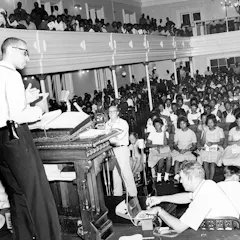
In a sermon two weeks after MLK’s funeral, civil rights leader, Wyatt Tee Walker, urged young seminarians to be hopeful and take action for making change happen. His sermon has valuable lessons today.
Top contributors
-

Professor of Psychiatry, Wayne State University
-
Professor of Classical Studies, Brandeis University
-
Dean and Wake Forest Professor of the Humanities, Wake Forest University
-
Professor, Department of Communication Arts, University of Waterloo
-
Professor of Sociology, University of Alberta
-
Senior lecturer in social anthropology, Lund University
-
Managing Director of the McCourtney Institute of Democracy, Associate Research Professor, Political Science, Co-host of Democracy Works Podcast, Penn State
-
Honorary Research Fellow, Director of Bereavement Services Counselling & Mental Health Clinic, York St John University
-
Distinguished Professor of English, Disability Studies and Medical Education, University of Illinois Chicago
-
Associate Professor, University of Johannesburg
-
Lecturer, University of Canberra
-
Professor of Psychology, The University of Melbourne
-
Research Fellow in Social Psychology, Australian National University
-
Research Fellow in Social Psychology, UNSW
-
PhD Candidate, School of English, Dublin City University