

Student loan forgiveness doesn’t benefit the economy the way some advocates believe it would, an economist argues.
Articles on Debt
Displaying 121 - 140 of 347 articles

Student loan debt can hurt borrowers, but the pain is even greater when the borrower is taking out a student loan for their child, new research shows.

The number of New Zealanders with ‘negative net wealth’ is large and growing – reflecting widening economic inequality that remains an urgent political priority.

Squid Game alludes to anti-worker violence that has permeated South Korean labour history, and reminds viewers of the need to overcome real inequalities.

In the hit Korean Netflix show ‘Squid Game,’ players are required to sign dubiously ethical contracts as their lives are assigned monetary value.

The unanticipated popularity of the Korean show ‘Squid Game’ highlights our relationship to debt and capitalism, but the contradictions extend beyond the show itself.

Instead of blaming young people for eating too many avocado toast breakfasts, we need a better understanding of the economy and society they are growing up in.

An economist explains why defaulting on the national debt would result in economic crisis.
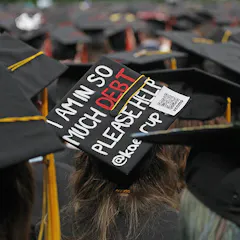
As federal student loan debt continues to rise, a number of scholars discuss how debt affects the nation’s college students, graduates and the economy as a whole.
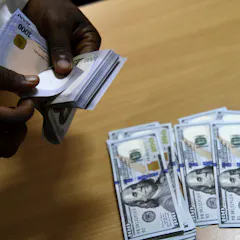
To non-economists, the World Bank ranking Nigeria fifth on the list of its top ten debtor countries is alarming. A deeper analysis shows there is no cause for concern.
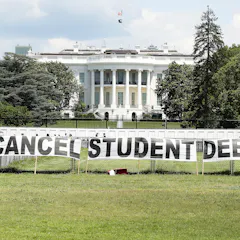
Student loan debt has long been considered a drag on the economy. But will canceling it actually do much to spur spending? An economist weighs in.

Kenya needs to address spending inefficiencies to attain the goals outlined in the budget.

Charles Schwab mistakenly transferred over $1.2 million to the account of a woman who then kept the money. Did she have a moral obligation to return it? An expert says the answer is not that simple.

The development strategy based on foreign investment in natural resources projects has not delivered economic growth or security. What’s needed is an inclusive vision based on local realities.
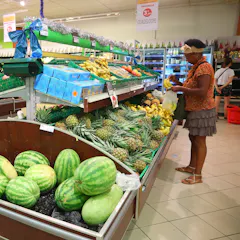
Debt relief would improve Caribbean states’ response to global crises.

Teaching financial literacy requires more than adding financial literacy to kids’ school curriculum. It also means offering teachers professional development to ensure they’re equipped.

Plus a new technique to protect birds from predators – using fake smells. Listen to episode 10 of The Conversation Weekly podcast.

As Canada emerges from the pandemic, creating jobs and achieving full employment are top priorities. Relegated to the back burner are balanced budgets and reducing debt.

Few middle-class Americans undergoing Chapter 13 bankruptcy blame the government. They portray themselves as hardworking victims and resent others for taking more than their fair share.
Developing countries face greater risks raising money to deal with the pandemic. Zambia is now on the verge of being the first ‘COVID default’ and other developing countries could follow suit.
Top contributors
-

Post Doctoral Researcher, Graduate School of Business (GSB), University of Cape Town
-
Dean of Business School, University of Southern Queensland
-
Professor/Senior Research Fellow, Centre for Advancement of Scholarship, University of Pretoria
-
Part-Time Professor of Economics, The New School
-
Emeritus Professor of Public Policy, RMIT University
-
Associate Professor in Finance, University of Canberra
-
Professorial Fellow, University of Canberra
-
Senior Lecturer in Economics, The Open University
-
Scientia Professor of Economics, UNSW
-
Senior lecturer, Canberra School of Government, University of Canberra
-
Associate professor, University of Cape Town
-
Deputy Chair of Business Administration, Touro University
-
Associate Professor of Finance, Texas State University
-
Consulting Economist; and Senior Research Fellow University of Johannesburg, University of Johannesburg
-
Professor of Social Policy, University of Birmingham