
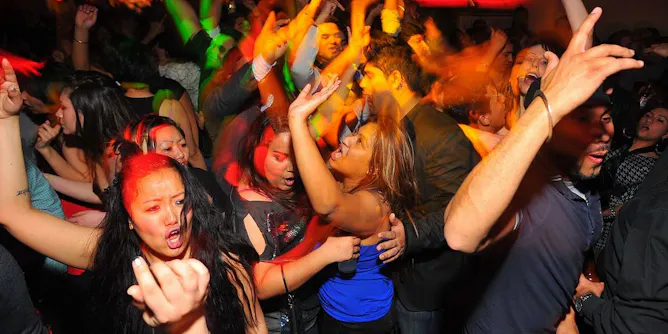
The pressure of needing to be a model minority — successful, quiet, hardworking — can force people to internalize their mental anguish and ends up leaving gaps in our mental health services.
Articles on DCMR
Displaying 41 - 53 of 53 articles
Transcript for Don’t Call Me Resilient Podcast EP 8: Stolen identities: What does it mean to be Indigenous?
In recent years, some prominent people have been called out for falsely claiming Indigenous identity. Why would someone falsely claim an identity? And what does it mean to be Indigenous?

This is the full transcript for Don’t Call Me Resilient, episode 7: How stories about alternate worlds can help us imagine a better future.
We’re launching the second season of Don’t Call Me Resilient, our podcast that takes on systemic racism and the ways it permeates our everyday lives.

In this episode of our podcast, we take a look at Indigenous land rights and the people on the frontlines of these battles.
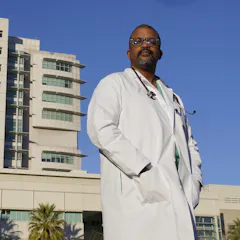
Transcript of Don’t Call Me Resilient, Episode 5: Black health matters
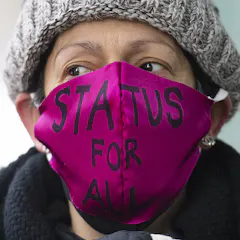
How we treat migrant workers who put food on our tables: Don’t Call Me Resilient EP 4 transcript
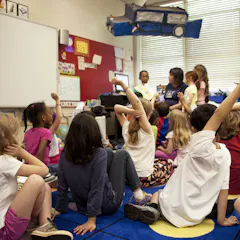
Transcript of Don’t Call Me Resilient, Episode 3.
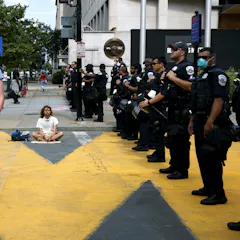
This is the full transcript for Don’t Call Me Resilient, EP 2: How to deal with the pain of racism — and become a better advocate.
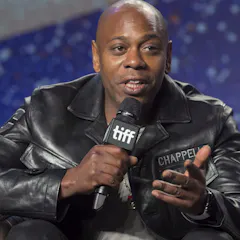
In this episode of Don’t Call Me Resilient, host Vinita Srivastava and scholar Cheryl Thompson dive into the meaning of the n-word and the 150 years of racism embedded in it.
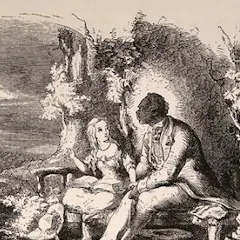
This is the full transcript for Don’t Call Me Resilient, episode 1: What’s in a word? How to confront 150 years of racial stereotypes and language.

Don’t Call Me Resilient is a provocative podcast about race that goes in search of solutions for those things no one should have to be resilient for.
Top contributors
-

Associate professor, McGill University
-
Assistant professor, Education, University of Toronto
-
Adjunct assistant professor, Werklund School of Education, University of Calgary
-
Associate Professor, Pratt Institute
-
Assistant Professor of Law, University of Georgia
-
Associate Professor in the Faculty of Kinesiology and Health Studies, University of Regina
-
Professor, Sociology, Mount Royal University
-
Assistant Professor of History, Thompson Rivers University
-
Professor, Faculty of Education, University of Manitoba
-
PhD Candidate, Social Justice Education, Ontario Institute for Studies in Education, University of Toronto
-
Assistant Professor, Global Development Studies, Queen's University, Ontario
-
Professor of History, University of Toronto
-
Sessional Instructor, History, University of The Fraser Valley
-
Associate Professor, Faculty of Education, Wilfrid Laurier University
-
Assistant Professor, Urban and Regional Planning, Toronto Metropolitan University