
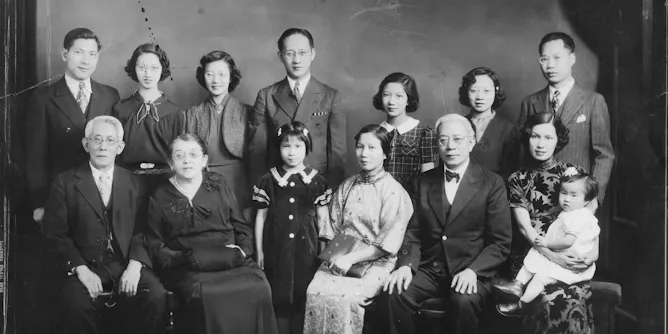
Author Ava Chin, a 5th generation New Yorker, traces the roots of today’s high rates of anti-Asian violence back to 19th century U.S. labour and immigration laws.
Articles on DCMR
Displaying 21 - 40 of 53 articles

As we approach the start of gardening season, it’s a good time to ask some questions about what to plant and who gets to plant.
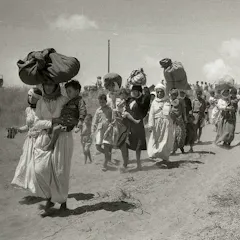
The UN’s resolution to recognize Nakba Day on May 15, to mark the expulsion of Palestinians from their homes in 1948, helps to acknowledge past traumas but does the resolution have other implications?
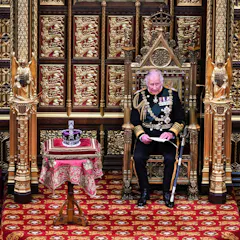
Although King Charles will have a low-key ceremony this coronation, the Crown Jewels will still figure prominently. An exploration of the jewels tells a tale of exploitation, rape and pillage.
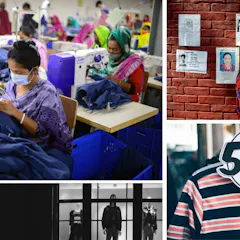
We look back to the 2013 Rana Plaza garment factory collapse in Bangladesh that killed 1,124 people and discuss how much — or how little — has changed for garment-worker conditions today.
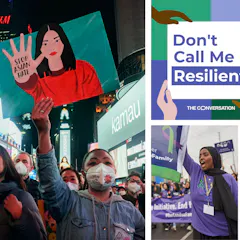
Host Vinita Srivastava goes deep with academic experts and those with lived experience to bring you your weekly dose of news, from an anti-racist perspective.
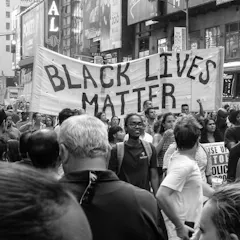
The episodes on this playlist span the start of the pandemic with its worldwide demonstrations against anti-Black racism, to the most recent violence this winter.

Some comedians put race at the centre of their comedy, giving audiences a chance to release some tension. But how far is too far? Where is the line between a lighthearted joke and deep-rooted racism?

Youth violence hasn’t let up in Toronto. In fact, it’s getting worse. Community members say it’s a major problem that needs a more holistic solution.
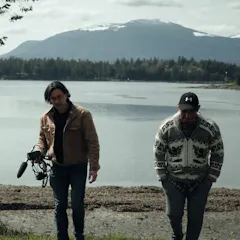
Canadian journalist institutions have failed to address their ongoing colonialism and that has meant that urgent Indigenous issues have been ignored or sensationalized.

Long COVID impacts one in every five people who’ve had the virus. In the U.S., early research shows people of colour are most likely to develop long COVID. It has been called a mass-disabling event.
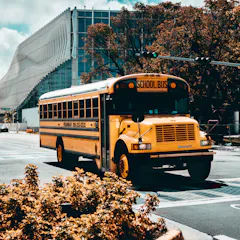
In today’s episode of Don’t Call Me Resilient, we speak with two Canadian educators who explain how using critical race theory in their classrooms helps both students and teachers.
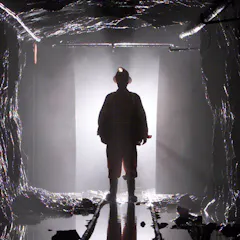
In today’s episode, we hear from two women who talk about how diamond mines in the Northwest Territories have negatively impacted women and girls and perpetuated gender violence.

In today’s episode we take a look at how TikTok can be used as a tool to educate and has been a space for sharing information during major events in the last two years.

In today’s episode of Don’t Call Me Resilient, we take a look at what has happened since the unmarked graves of 215 Indigenous children were found in Kamloops B.C.
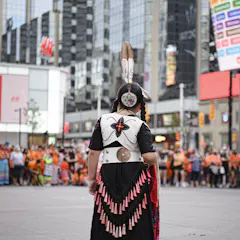
We’re launching the third season of Don’t Call Me Resilient, our podcast that takes on systemic racism and the ways it permeates our everyday lives.
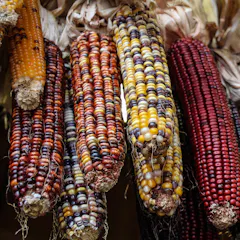
Our food systems are failing to feed all of us.
In this episode of Don’t Call Me Resilient, we pick apart what is broken and ways to fix it with two women who battle food injustice.
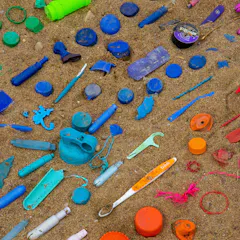
In this episode, two Indigenous scientists running collaborative labs to address our climate crisis offer some ideas for environmental justice, including a redefinition of pollution.

Mass data collection and surveillance have become ubiquitous. For marginalized communities, the stakes of having their privacy violated are high.
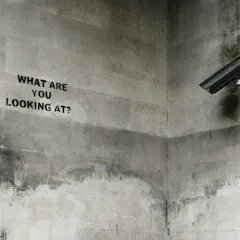
Once analysts gain access to our private data, they can use that information to influence and alter our behaviour and choices. If you’re marginalized in some way, the consequences are worse.
Top contributors
-

Associate professor, McGill University
-
Assistant professor, Education, University of Toronto
-
Adjunct assistant professor, Werklund School of Education, University of Calgary
-
Associate Professor, Pratt Institute
-
Assistant Professor of Law, University of Georgia
-
Associate Professor in the Faculty of Kinesiology and Health Studies, University of Regina
-
Professor, Sociology, Mount Royal University
-
Assistant Professor of History, Thompson Rivers University
-
Professor, Faculty of Education, University of Manitoba
-
PhD Candidate, Social Justice Education, Ontario Institute for Studies in Education, University of Toronto
-
Assistant Professor, Global Development Studies, Queen's University, Ontario
-
Professor of History, University of Toronto
-
Sessional Instructor, History, University of The Fraser Valley
-
Associate Professor, Faculty of Education, Wilfrid Laurier University
-
Assistant Professor, Urban and Regional Planning, Toronto Metropolitan University